Rubber insulating tape is a critical component in electrical safety, serving as a protective layer around conductors to prevent short circuits, electrical shock, and fire hazards. Its importance extends across a vast range of industries, from power generation and transmission to manufacturing and residential construction. Understanding the properties, applications, and advancements in rubber insulating tape technology is paramount for ensuring workplace safety and the reliable operation of electrical systems globally.
The global demand for rubber insulating tape is steadily increasing, driven by factors such as expanding infrastructure development, rising electricity consumption, and stringent safety regulations. According to the International Electrotechnical Commission (IEC), standards for electrical insulation are continuously evolving to meet higher performance and safety requirements. This increased focus on safety necessitates higher quality insulating materials like rubber tape, leading to a larger and more sophisticated market.
Furthermore, the growing adoption of renewable energy sources, such as solar and wind power, also fuels demand. Connecting these distributed energy resources to the grid requires robust and reliable insulation solutions. Rubber insulating tape plays a key role in ensuring the safety and efficiency of these new energy systems, contributing to a more sustainable future.
The Importance of Rubber Insulating Tape
The primary function of rubber insulating tape is to provide electrical insulation, preventing current leakage and protecting personnel and equipment from hazards. Its versatility makes it suitable for a wide array of applications, including cable jointing, splicing, and repairing damaged insulation. Without effective insulation, electrical systems would be prone to failures and pose significant safety risks.
Furthermore, rubber insulating tape's physical properties, such as flexibility and conformability, allow it to be easily applied to complex shapes and surfaces. This ensures a secure and reliable insulation barrier, even in challenging environments. Proper application techniques are, of course, crucial to maximizing its effectiveness.
Global Relevance and Industry Context
Electrical infrastructure forms the backbone of modern society, supporting everything from residential power to industrial operations and critical communication networks. Consequently, the global demand for high-quality electrical insulation materials, including rubber insulating tape, is substantial and continually growing. Developing nations, in particular, are investing heavily in upgrading their electrical grids, creating a significant market opportunity.
The electrical insulation industry is governed by stringent international standards, such as those set by the IEC and Underwriters Laboratories (UL). These standards ensure that insulation materials meet specific performance criteria, including dielectric strength, temperature resistance, and flame retardancy. Manufacturers of rubber insulating tape must adhere to these standards to guarantee product safety and reliability.
A significant challenge within the industry is addressing the increasing demand for sustainable and environmentally friendly insulation solutions. Traditional rubber materials can have environmental impacts, prompting research into bio-based and recyclable alternatives.
Defining Rubber Insulating Tape
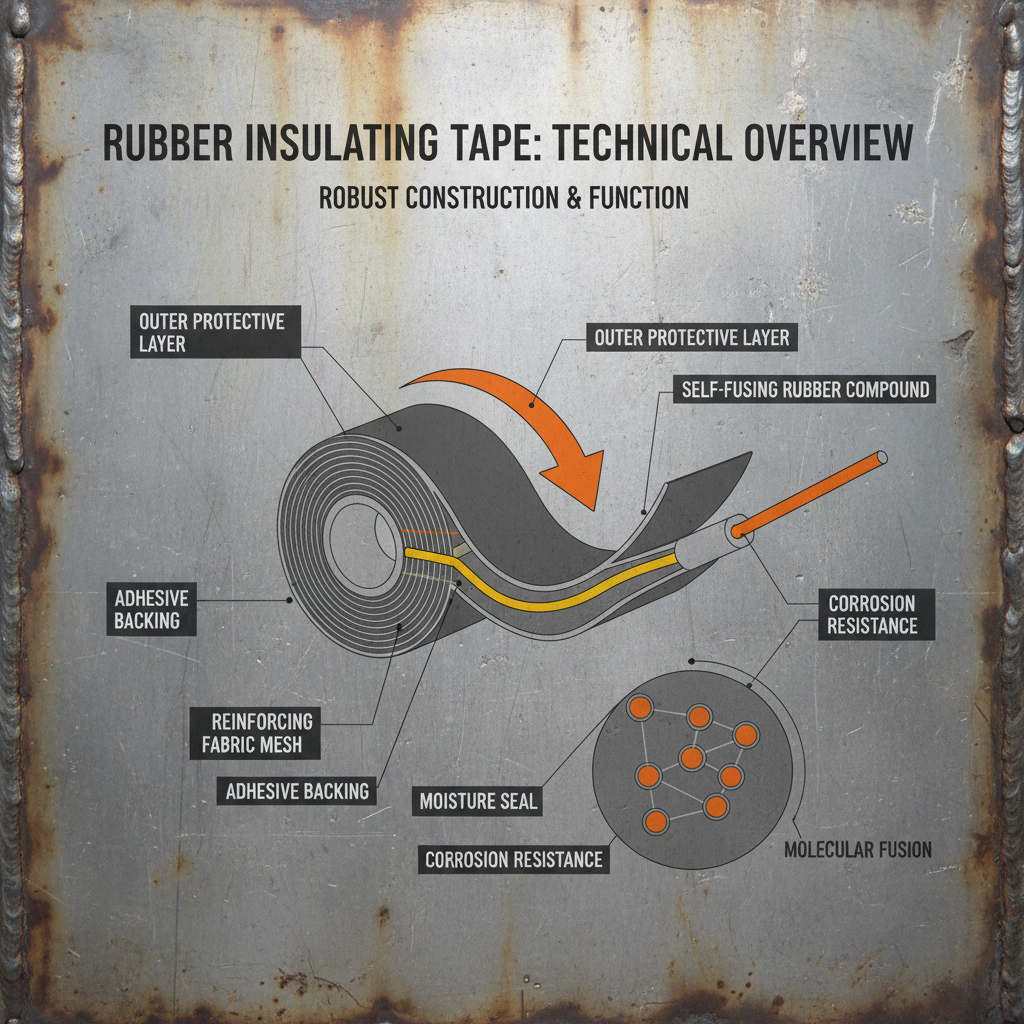
Rubber insulating tape is a flexible, adhesive-backed material composed of a synthetic or natural rubber compound formulated to provide electrical insulation. It's typically used to cover electrical splices, terminals, and other components to prevent electrical shock and short circuits. The tape’s insulating properties arise from the rubber’s inherent high electrical resistance.
Its connection to modern industry is deeply interwoven with the rise of electrification and the need for safe and reliable electrical systems. Historically, materials like varnishes and cotton were used for insulation, but these were often inadequate and prone to degradation. The development of synthetic rubber in the 20th century revolutionized electrical insulation, providing superior performance and durability.
Today, rubber insulating tape is indispensable in a variety of applications, including power distribution, telecommunications, automotive manufacturing, and aerospace. It represents a fundamental component in safeguarding both human life and valuable assets.
Key Properties of Rubber Insulating Tape
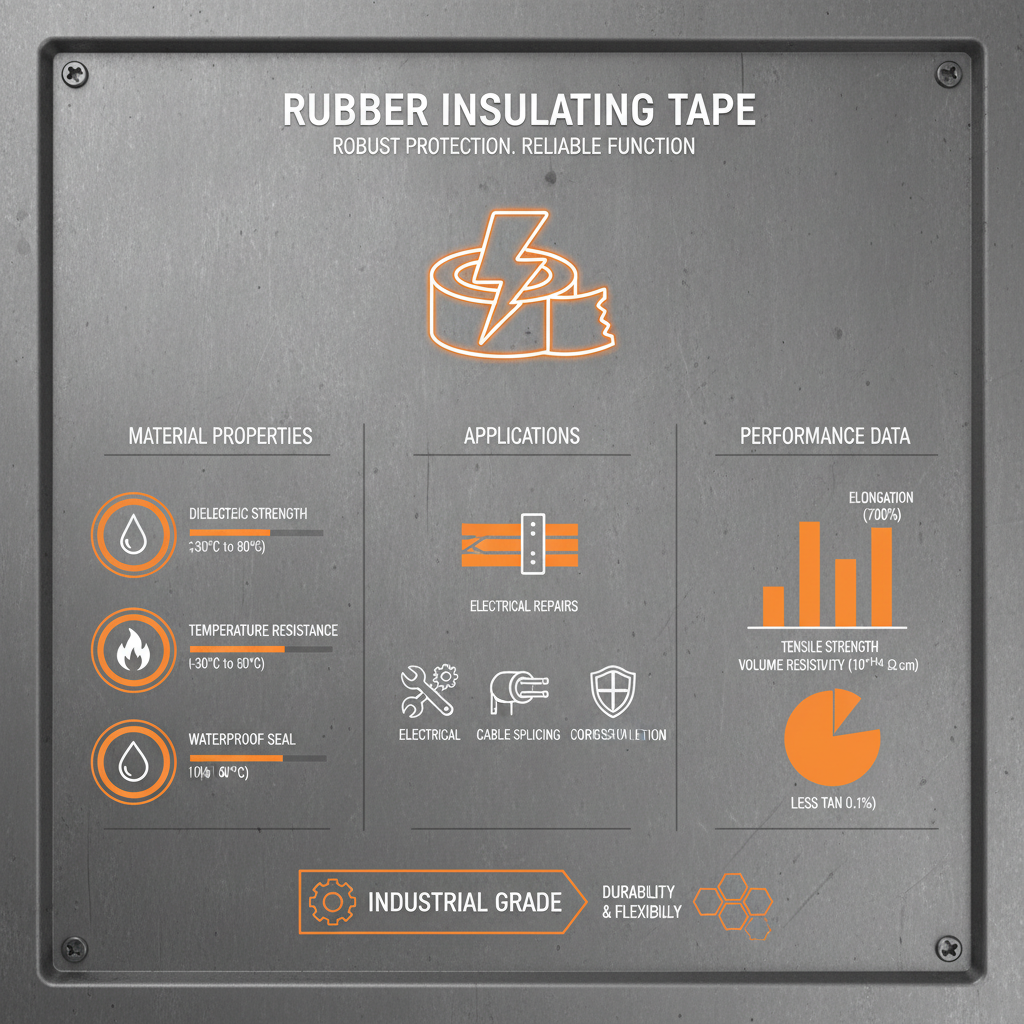
Several key properties contribute to the effectiveness of rubber insulating tape. Dielectric Strength is crucial; it measures the tape's ability to withstand high voltages without breaking down. Temperature Resistance is also vital, allowing the tape to maintain its insulating properties across a wide temperature range.
Flexibility and Conformability enable the tape to wrap around irregular shapes easily, creating a tight and reliable seal. Adhesion ensures the tape stays firmly in place, preventing air gaps and maintaining insulation integrity. Finally, Chemical Resistance protects against degradation from exposure to oils, solvents, and other environmental factors.
Rubber Insulating Tape Performance Comparison
Applications Across Industries
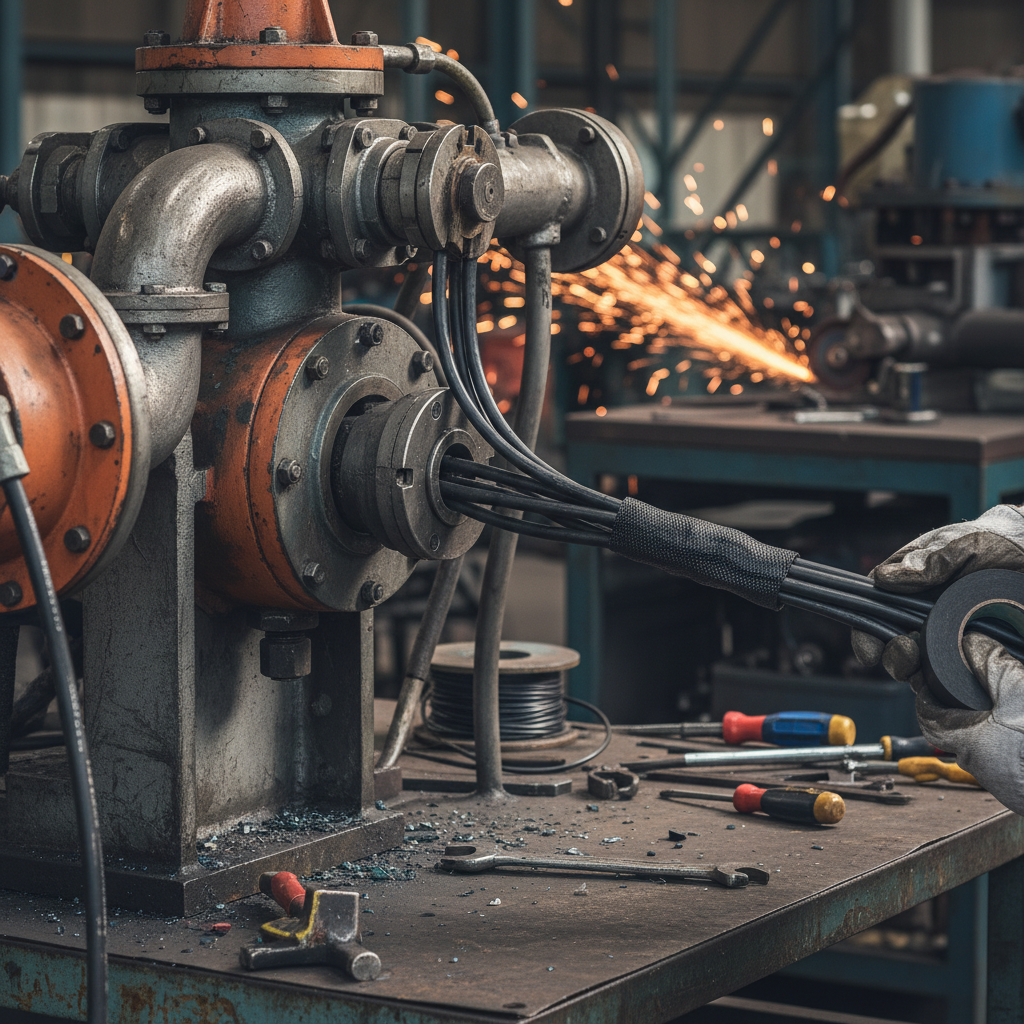
The power generation and transmission sector heavily relies on rubber insulating tape for insulating high-voltage cables, transformers, and switchgear. In manufacturing, it’s used in motor windings, control panels, and electrical equipment. The automotive industry utilizes it in wiring harnesses and battery systems.
In remote industrial zones, where access to skilled technicians may be limited, the ease of application and reliability of rubber insulating tape are particularly valuable. Similarly, in post-disaster relief operations, rapid restoration of power often depends on quick and effective insulation repairs using rubber tape. These real-world scenarios highlight its importance beyond simply preventing electrical hazards.
Benefits and Long-Term Value
The tangible benefits of using rubber insulating tape are numerous. It offers cost-effectiveness compared to other insulation methods, reducing both initial installation costs and long-term maintenance expenses. Its durability contributes to a longer lifespan for electrical systems, minimizing downtime and associated costs.
Beyond economic benefits, rubber insulating tape enhances workplace safety, reducing the risk of electrical accidents and injuries. This promotes a positive work environment and fosters trust among employees. Furthermore, its contribution to reliable power delivery supports economic growth and societal well-being, providing a sense of security and innovation.
Future Trends and Innovations
Ongoing research is focused on developing more sustainable and environmentally friendly rubber insulating tape formulations. Bio-based polymers and recyclable rubber compounds are gaining traction as alternatives to traditional petroleum-based materials. Advances in nanotechnology are also being explored to enhance the insulating properties and durability of the tape.
The integration of digital technologies, such as smart sensors embedded within the tape, could enable real-time monitoring of insulation integrity, providing early warnings of potential failures. This predictive maintenance capability would further enhance the reliability and safety of electrical systems, aligning with the trends of Industry 4.0.
Furthermore, advancements in automation and robotics are driving the development of automated tape application systems, improving efficiency and consistency in insulation processes. These innovations will play a crucial role in shaping the future of the electrical insulation industry.
A Summary of Factors Impacting Rubber Insulating Tape Selection
| Application Environment |
Voltage Level |
Temperature Range |
Regulatory Compliance |
| Indoor, Dry |
Low Voltage (≤600V) |
-20°C to 85°C |
UL 510 |
| Outdoor, Humid |
Medium Voltage (600V - 1kV) |
-40°C to 90°C |
IEC 60454-3-1 |
| Subsea, Corrosive |
High Voltage (1kV - 33kV) |
-50°C to 110°C |
ISO 20097 |
| Hazardous Areas |
Explosive Atmospheres |
-30°C to 80°C |
ATEX |
| Automotive Applications |
Low Voltage (12V - 24V) |
-40°C to 125°C |
SAE J1128 |
| Aerospace Applications |
Specialized Requirements |
-55°C to 150°C |
FAR 25.853 |
FAQS
The lifespan of rubber insulating tape varies depending on the application environment and the quality of the tape itself. Generally, it can maintain its insulating properties for 5-10 years under normal conditions. However, exposure to extreme temperatures, UV radiation, and corrosive chemicals can significantly reduce its lifespan. Regular inspections are crucial to ensure continued effectiveness.
Proper application involves cleaning and drying the surface thoroughly before applying the tape. Overlap each layer by at least 50% to ensure a complete seal. Apply the tape with consistent tension, avoiding wrinkles or air bubbles. Finally, smooth the tape firmly onto the surface to ensure strong adhesion. Following manufacturer’s instructions is vital.
Several types of rubber insulating tape are available, including natural rubber tape, synthetic rubber tape (e.g., SBR, EPDM), and silicone rubber tape. Each type offers different properties in terms of temperature resistance, chemical resistance, and flexibility. The best choice depends on the specific application requirements.
While rubber insulating tape offers good resistance to moisture, it's not inherently waterproof. Prolonged exposure to water can eventually compromise its insulating properties. For completely waterproof applications, consider using specialized waterproof tapes or encapsulating the insulated area with a waterproof sealant.
Removing old rubber insulating tape can be challenging due to the adhesive residue. Using a solvent specifically designed for adhesive removal can help loosen the tape. Gentle scraping with a plastic tool can also assist in removal, avoiding damage to the underlying surface. Clean the surface thoroughly after removal to ensure proper adhesion for new tape.
Always de-energize the electrical circuit before working with or near any electrical components. Wear appropriate personal protective equipment (PPE), including gloves and safety glasses. Ensure proper ventilation when using solvents for tape removal. Follow all relevant safety regulations and guidelines.
Conclusion
Rubber insulating tape remains a vital component in ensuring electrical safety and reliability across diverse industries. Its versatility, cost-effectiveness, and ease of application make it an indispensable tool for electricians, engineers, and technicians worldwide. As technology advances and new challenges emerge, continued innovation in rubber tape formulations and application techniques will be crucial.
Looking ahead, the development of sustainable and environmentally friendly materials, coupled with the integration of smart technologies, will shape the future of rubber insulating tape. Investing in research and development, adopting best practices for application, and prioritizing safety will ensure that this essential material continues to protect lives and enable a more sustainable energy future. For high-quality rubber insulating tape solutions, visit our website today.