23 rubber splicing tape is a critical component in numerous industries, ensuring reliable electrical connections in a wide range of applications. From power transmission and distribution to automotive and renewable energy systems, its ability to create secure and weatherproof seals is paramount. Understanding its properties, applications, and future trends is crucial for engineers, technicians, and anyone involved in electrical infrastructure.
The global demand for effective and durable electrical insulation is steadily increasing, driven by factors like expanding infrastructure, the growth of electric vehicles, and the push for cleaner energy sources. 23 rubber splicing tape addresses this need by providing a cost-effective and easily applicable solution for joining and insulating electrical cables and wires. Its resilience against environmental factors contributes to the longevity and safety of electrical systems.
Properly utilized 23 rubber splicing tape minimizes downtime, reduces maintenance costs, and enhances the overall safety of electrical networks. It stands as a vital tool in ensuring the continuity and reliability of power delivery across the globe, especially in challenging environments where traditional connection methods may fail.
The Core Properties of 23 Rubber Splicing Tape
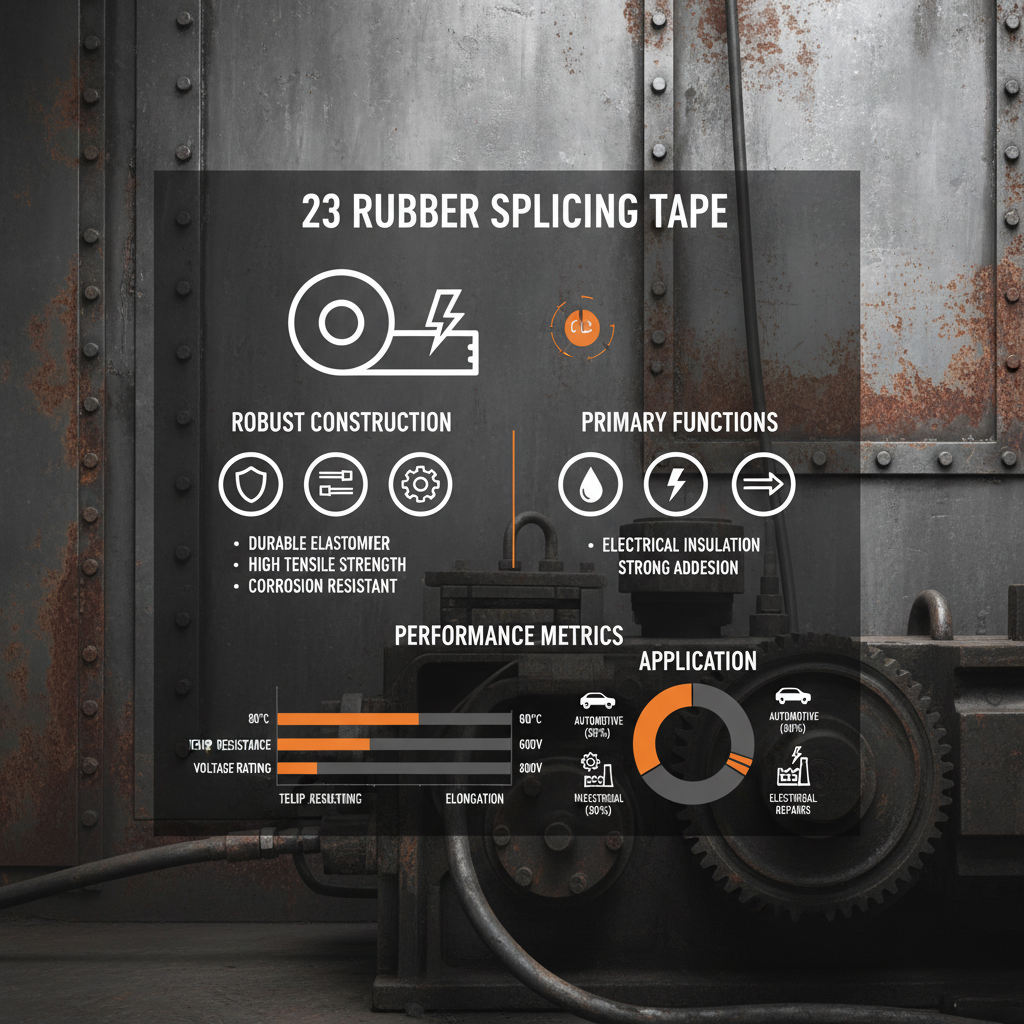
Durability is a defining characteristic of 23 rubber splicing tape. Its composition, typically a blend of synthetic rubber and specialized adhesives, provides resistance to abrasion, moisture, UV radiation, and extreme temperatures. This ensures a long-lasting connection, minimizing the need for frequent repairs or replacements.
Another crucial property is its electrical insulation capability. 23 rubber splicing tape effectively prevents short circuits and ensures the safe transmission of electrical current. The tape's dielectric strength, the ability to withstand voltage without breakdown, is a key factor in its reliable performance within various voltage applications.
Global Relevance and Industry Standards
The need for reliable electrical connections is universal. From developed nations maintaining extensive power grids to developing countries expanding their infrastructure, 23 rubber splicing tape plays a vital role. Its affordability and ease of use make it particularly valuable in regions with limited resources or skilled labor.
Several international standards govern the quality and performance of electrical splicing tapes, including those set by the International Electrotechnical Commission (IEC) and regional standards organizations. These standards specify requirements for dielectric strength, flame retardancy, and temperature resistance, ensuring product safety and reliability.
The growing demand for renewable energy sources, such as solar and wind power, also drives the demand for high-quality splicing tapes. Connecting these distributed energy resources to the grid requires durable and reliable connections, often in challenging outdoor environments where 23 rubber splicing tape excels.
Defining 23 Rubber Splicing Tape
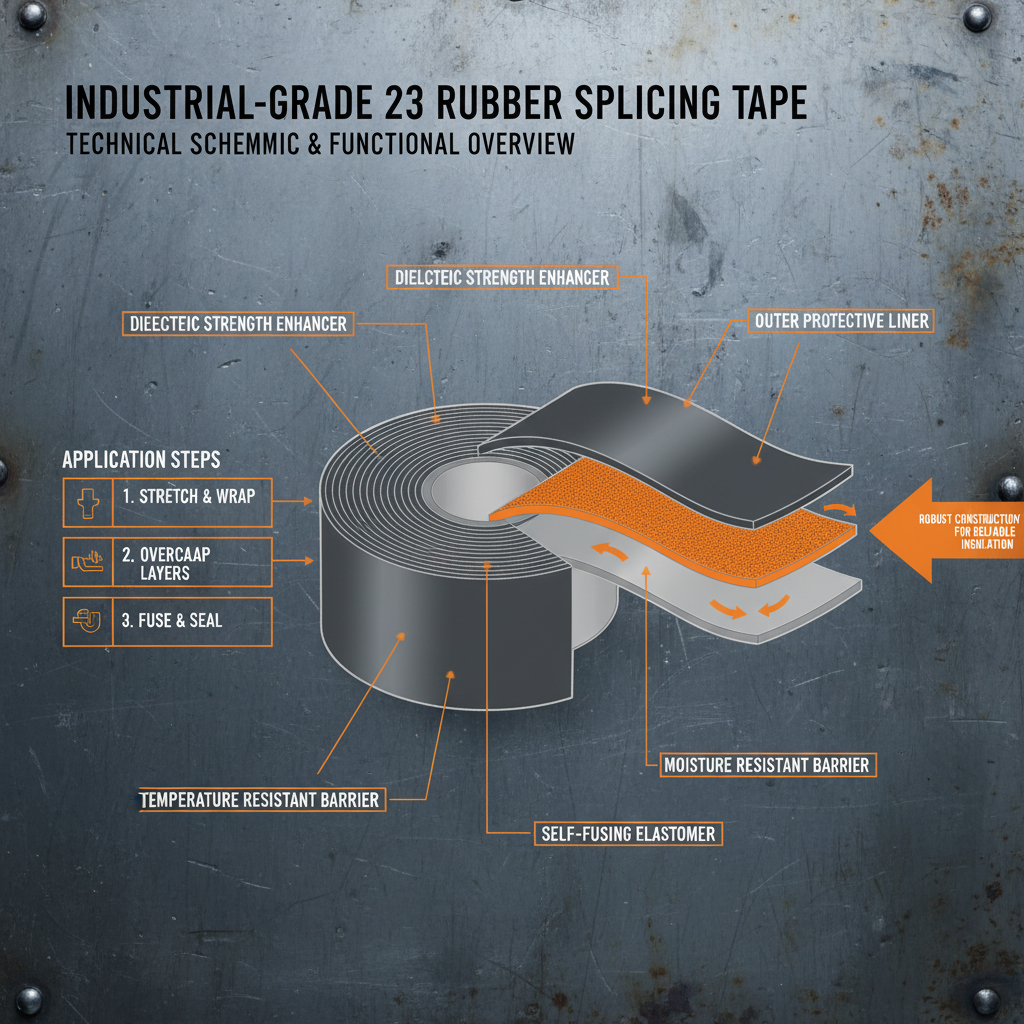
23 rubber splicing tape is a pressure-sensitive adhesive tape specifically engineered for the electrical industry. Its core purpose is to provide a waterproof and insulating seal around electrical connections, preventing corrosion, short circuits, and ensuring safe operation. It’s widely recognized for its self-amalgamating properties, meaning the layers bond together to form a unified, watertight seal.
Unlike standard electrical tape, 23 rubber splicing tape’s unique composition allows it to stretch and conform tightly to irregular shapes and surfaces. This is critical for securing connections in tight spaces or around complex cable configurations. The ‘23’ designation historically referred to a specific military standard, though the tape is now used extensively in both military and civilian applications.
Its connection to modern industry and humanitarian needs lies in its ability to maintain the integrity of critical infrastructure. In disaster relief scenarios, for example, it can quickly restore power to essential services, while in industrial settings, it minimizes downtime and improves overall system reliability.
Key Characteristics of Effective Application
Proper surface preparation is paramount for successful application of 23 rubber splicing tape. Cables and wires must be clean, dry, and free of any contaminants like oil, grease, or dust. This ensures optimal adhesion and a strong, reliable connection.
The technique of spirally wrapping the tape creates a self-amalgamating seal. Each layer of tape should overlap the previous one by at least 50% to ensure complete coverage and waterproofing. Stretching the tape during application further enhances its bonding properties.
Performance Metrics for 23 Rubber Splicing Tape Application
Diverse Applications Across Industries
In the telecommunications sector, 23 rubber splicing tape safeguards cable joints in underground and aerial installations, protecting against moisture ingress and signal degradation. Its reliability ensures consistent communication lines, even in harsh weather conditions.
Within the automotive industry, it’s utilized for insulating and protecting wiring harnesses, preventing corrosion and electrical failures. This contributes to vehicle safety and longevity, particularly in areas exposed to moisture and vibration.
Long-Term Value and Sustainability
The cost-effectiveness of 23 rubber splicing tape extends beyond its initial purchase price. Its durability minimizes the need for frequent replacements, reducing long-term maintenance expenses. The simplicity of application also lowers labor costs compared to more complex connection methods.
From a sustainability perspective, the extended lifespan of connections made with 23 rubber splicing tape reduces waste and resource consumption. By preventing failures and prolonging the life of electrical systems, it contributes to a more sustainable approach to infrastructure management.
The enhanced safety provided by reliable electrical connections is an immeasurable benefit. Minimizing the risk of short circuits and electrical hazards protects personnel, equipment, and the environment, fostering a culture of safety and responsibility.
Future Innovations in Splicing Technology
Research and development are focused on enhancing the self-healing properties of splicing tapes, allowing them to automatically repair minor damage and maintain their insulating capabilities. This would further extend their lifespan and reduce maintenance requirements.
The integration of smart materials and sensors into splicing tapes is another emerging trend. These sensors could monitor the condition of the connection, providing real-time data on temperature, voltage, and moisture levels, enabling proactive maintenance and preventing failures.
Bio-based and biodegradable materials are being explored as sustainable alternatives to traditional rubber-based tapes. This aligns with the growing demand for environmentally friendly products and reduces the environmental impact of electrical infrastructure.
Summary of Future Trends in 23 Rubber Splicing Tape Technology
| Innovation Area |
Current Status |
Potential Impact |
Implementation Timeline |
| Self-Healing Polymers |
Laboratory research & early prototyping. |
Increased tape lifespan, reduced maintenance. |
5-10 years |
| Integrated Sensors |
Proof-of-concept demonstrations. |
Predictive maintenance, improved safety. |
3-7 years |
| Biodegradable Materials |
Material sourcing & formulation challenges. |
Reduced environmental impact, sustainable sourcing. |
7-15 years |
| Enhanced UV Resistance |
Ongoing formulation improvements. |
Extended outdoor lifespan, reduced degradation. |
1-3 years |
| Improved Adhesion |
Research on novel adhesive formulations. |
Stronger, more reliable connections. |
2-5 years |
| Nanomaterial Integration |
Early-stage investigation of nanomaterial reinforcement. |
Increased strength, flexibility, and conductivity. |
5-10 years |
FAQS
23 rubber splicing tape is best applied between 5°C and 40°C (41°F and 104°F). Applying it outside of this range can affect its adhesion and self-amalgamating properties. Lower temperatures may result in reduced tackiness, while higher temperatures can cause the adhesive to become too soft, leading to a weaker bond. Proper surface preparation is even more critical when applying at the extremes of this range.
While 23 rubber splicing tape provides excellent waterproofing once applied, it’s crucial to apply it to a dry surface. Applying the tape in wet conditions will compromise its adhesion and prevent it from creating a reliable seal. Ensure the cables and wires are thoroughly dry before beginning the splicing process to ensure optimal performance and longevity.
Typically, 23 rubber splicing tape has a shelf life of approximately 5 years when stored in a cool, dry place, away from direct sunlight. However, it’s always recommended to check the manufacturer's packaging for the specific expiration date. Proper storage conditions are essential to maintain the tape's adhesive properties and ensure its effectiveness when applied.
23 rubber splicing tape is generally compatible with most common types of insulated cables, including PVC, polyethylene, and cross-linked polyethylene. However, it’s essential to verify compatibility with specific cable materials, especially those with unusual coatings or insulation. Always refer to the cable manufacturer's recommendations before applying the tape.
To achieve a watertight seal, ensure the surface is clean and dry, overlap each layer of tape by at least 50%, and stretch the tape firmly during application. Spiral wrapping creates the necessary compression for self-amalgamation. Consider applying multiple layers for enhanced protection in particularly demanding environments.
Always de-energize the electrical circuit before working on any electrical connections. Wear appropriate personal protective equipment (PPE), such as gloves and safety glasses. Ensure adequate ventilation when applying the tape, and avoid contact with skin and eyes. Follow all relevant safety regulations and guidelines for electrical work.
Conclusion
23 rubber splicing tape remains an indispensable tool for ensuring reliable and safe electrical connections across a diverse range of industries. Its durability, waterproofing capabilities, and ease of application make it a cost-effective solution for maintaining the integrity of electrical infrastructure, from power grids to automotive wiring. Understanding its properties and proper application techniques are critical for maximizing its performance and longevity.
Looking ahead, continued innovation in materials and application methods will further enhance the capabilities of 23 rubber splicing tape. The development of self-healing polymers, integrated sensors, and sustainable alternatives will address emerging challenges and contribute to a more resilient and environmentally friendly electrical landscape. For more information and to explore our range of splicing solutions, visit our website: www.qiangdatape.com.