You know, been running around construction sites all year, breathing in dust and dealing with all sorts of headaches. Lately, everyone’s talking about prefabrication – off-site construction, modular stuff. It’s a big trend, no doubt, aiming for faster build times and less waste. But honestly, the devil’s always in the details. And the details…they’re a pain. It’s all well and good on paper, but getting things to actually fit when they arrive on site? That’s where things get real.
I’ve seen so many designs that look beautiful in CAD but are a nightmare to assemble in the mud. Have you noticed how architects often specify these incredibly tight tolerances? Like, down to the millimeter. It sounds good, but try explaining that to the guys battling wind and rain trying to bolt it all together. They just roll their eyes. And then there's the whole issue of material compatibility. You've gotta think about thermal expansion, corrosion… it’s a long list.
We work a lot with butyl rubber tape – crucial stuff for sealing joints in prefabricated panels, curtain walls, even just basic waterproofing. It’s not glamorous, but without it, everything leaks. I encountered this at a panel factory last time, the supplier sent a batch that smelled… off. A really acrid chemical smell. Turns out, they’d skimped on the additives. Good butyl rubber tape should have a slightly sweet, rubbery smell, almost like… well, like tires, but cleaner. You can tell a good one just by the feel – it’s pliable, doesn’t crack easily, and sticks like crazy. It's not just about the specs on the datasheet, you have to handle it.
The Rising Demand for Butyl Rubber Tape
Strangely, demand for high-quality butyl rubber tape suppliers has been steadily climbing, and it’s not just because of the prefab boom. It’s the increasing focus on building airtightness and energy efficiency. Everyone's trying to meet these new building codes, and a good seal is critical. I've even seen it used in solar panel installations, sealing the edges to prevent water ingress. It's a small component, but a vital one.
The whole push for sustainability is a factor too. Butyl rubber tape suppliers can contribute to lower energy consumption, which translates to reduced carbon emissions. Seems like everyone is chasing that green badge these days.
Design Pitfalls and Common Mistakes
I see the same mistakes over and over. Architects specifying butyl rubber tape suppliers for applications it's just not suited for. Like, trying to use a thin tape on a really uneven surface. You need enough compression to get a good bond, you know? And then there's the issue of UV exposure. Butyl rubber tape suppliers degrades in sunlight, so if it’s going to be exposed, you need to use a tape with a UV-resistant coating. It’s basic stuff, but people forget. Anyway, I think a lot of designers don't spend enough time on site actually watching how things are built.
Another common problem is improper surface preparation. You gotta make sure the surfaces are clean, dry, and free of dust and grease. Otherwise, the tape just won’t stick. Sounds simple, right? You wouldn’t believe how many times I’ve seen guys just slap it on without even wiping down the surface.
And let’s talk about corners. Corners are always tricky. You need to miter the tape properly, or you’ll end up with gaps. It's tedious work, but it's essential for a watertight seal.
Material Properties and Handling Characteristics
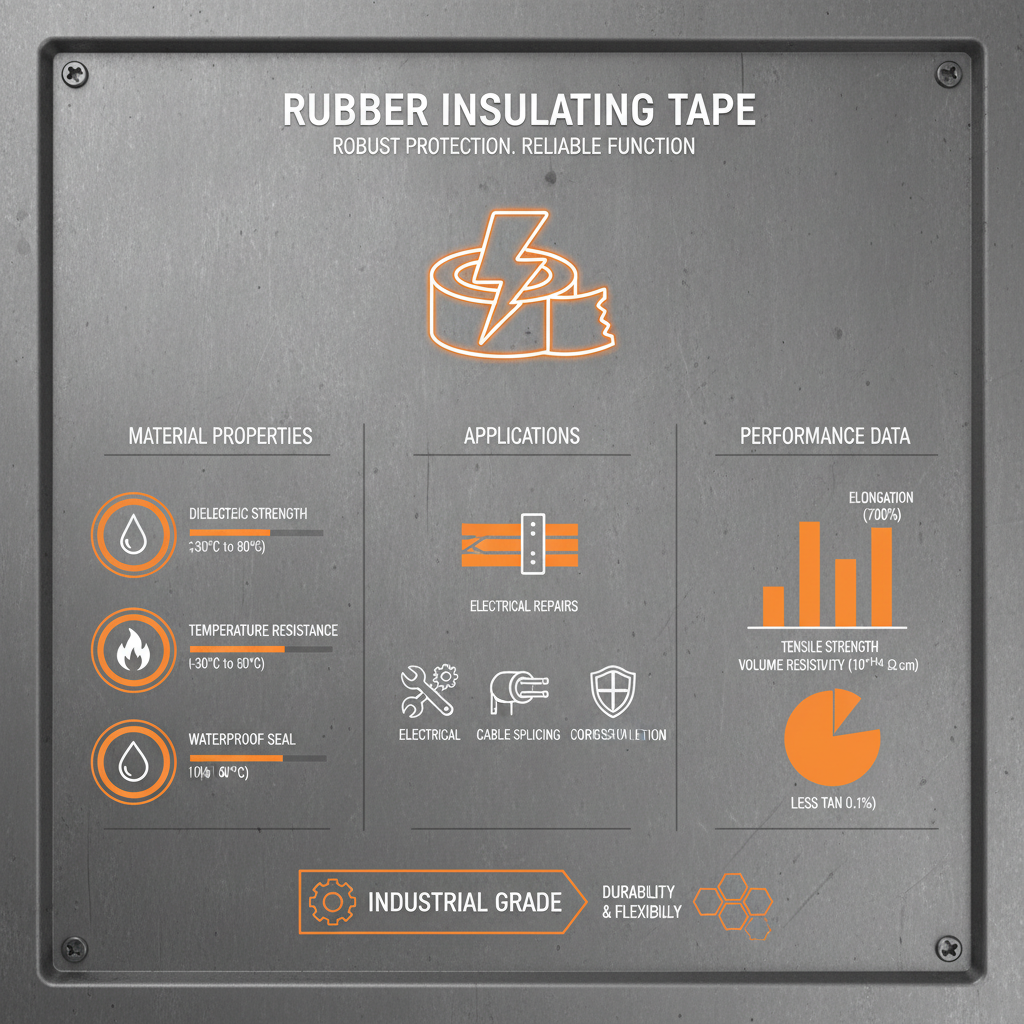
The butyl rubber itself… it’s a synthetic rubber copolymerized with isobutylene and a small percentage of isoprene. Sounds complicated, right? Basically, it's incredibly flexible and has excellent sealing properties. It stays pliable even at low temperatures, which is crucial for outdoor applications. To be honest, the quality varies hugely between manufacturers.
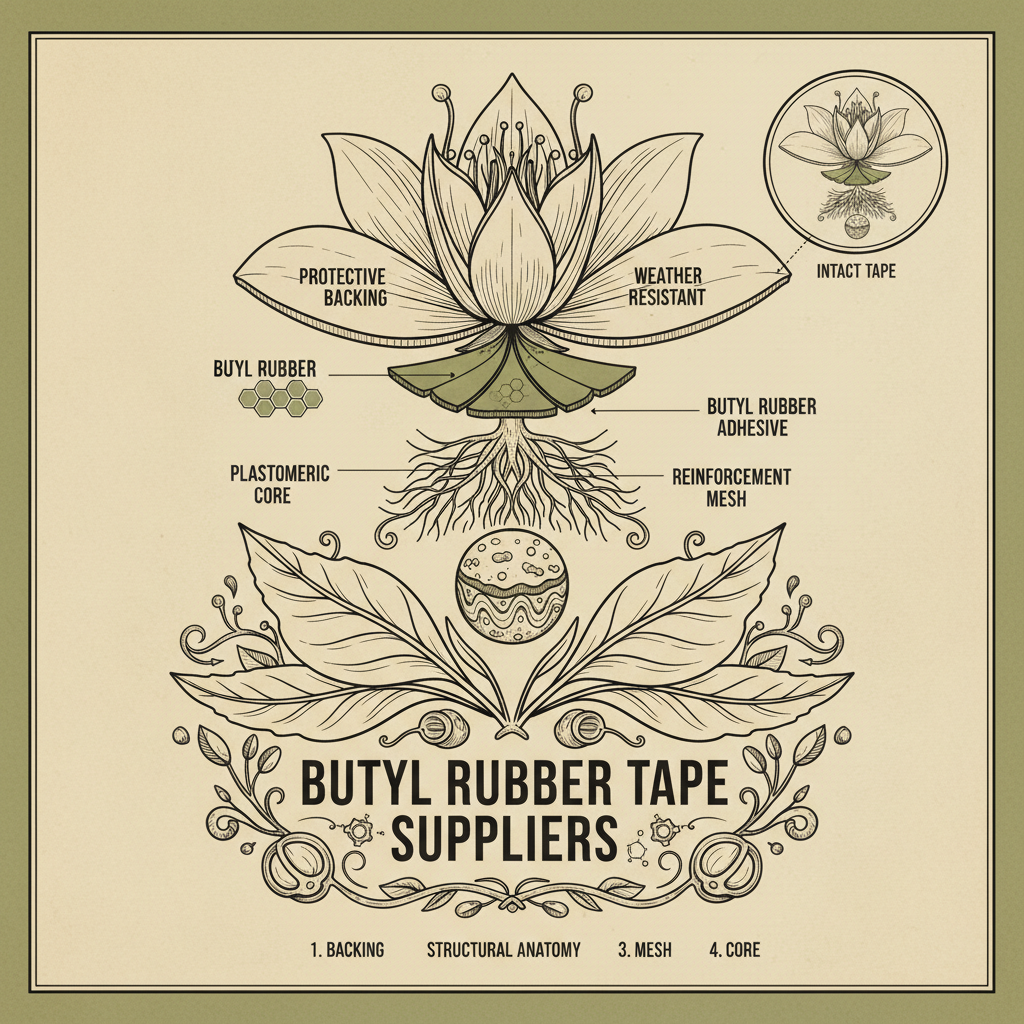
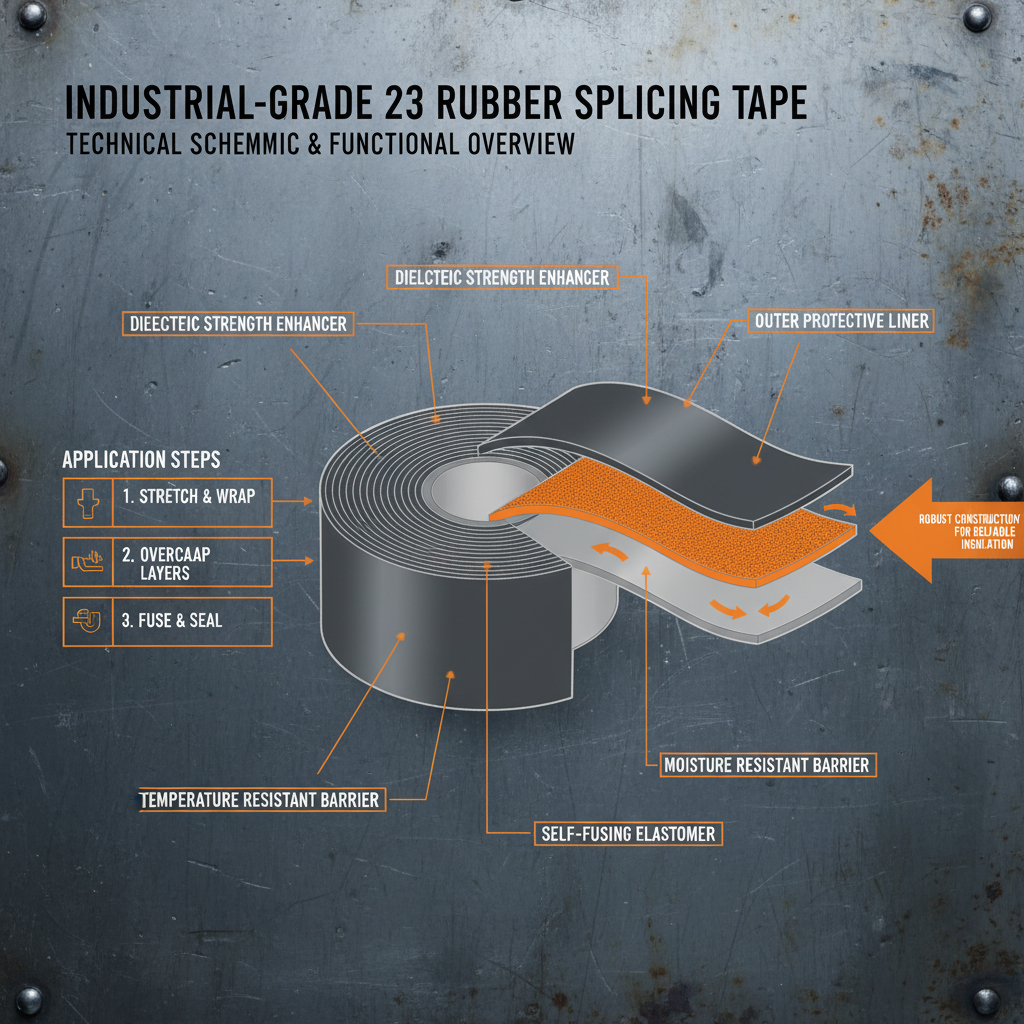
The backing material is also important. You’ve got tapes with aluminum foil backing, PET film backing, woven fabrics… each has its own advantages and disadvantages. Foil provides a good moisture barrier, but it can tear easily. PET film is more durable, but it’s not as resistant to puncture. And the adhesive… that’s the key. You want a strong, aggressive adhesive that will bond to a variety of surfaces.
Handling it… it's not rocket science, but you gotta be careful. It can get sticky, obviously. And if you leave it exposed to the air for too long, the adhesive can skin over. Store it in a cool, dry place, and keep the release liner tightly sealed. Later… forget it, I won’t mention it.
Real-World Testing and Performance Evaluation
Forget those lab tests with perfect conditions. The real test is what happens when it’s exposed to the elements for a year. I've seen tapes that pass all the lab tests but fail miserably in the field. I prefer to see how it holds up to prolonged UV exposure, temperature cycling, and constant moisture.
We do a simple water immersion test - submerge a sealed joint in water for 24 hours and check for leaks. Sounds basic, but it's surprisingly effective. We also do a peel test, trying to rip the tape off a substrate to see how much force it takes. I always look for a clean peel, not a messy residue.
Butyl Rubber Tape Suppliers Performance Metrics
Actual User Applications and Misconceptions
I think the biggest misconception is that butyl rubber tape is a miracle cure. It’s not. It’s a tool. A really good tool, but it still requires proper installation and the right application. I’ve seen guys try to use it to fix leaks in roofs – seriously! It’s not designed for that kind of stress.
Mostly, it’s used for sealing joints between panels, around windows and doors, and for waterproofing details. Sometimes, it’s used to dampen vibrations. It's all about creating a continuous, airtight seal.
Advantages, Disadvantages, and Customization Options
Okay, advantages? It’s flexible, durable, waterproof, and relatively easy to apply. It’s also pretty affordable. Disadvantages? It's not UV resistant unless you get a special coating, and it can be messy to work with. The adhesive can leave a residue if you’re not careful.
But you can customize it. We had a client last year who wanted a tape with a specific color to match their paneling. We were able to get a manufacturer to dye the tape to the exact shade they needed. They also wanted a different release liner, something easier to handle in cold weather. It's not always possible, but it's worth asking.
You can also get different thicknesses and widths depending on the application. It’s all about finding the right tape for the job.
A Customer Story: The Debacle
Last month, that small boss in Shenzhen who makes smart home devices insisted on changing the interface to . He’d seen a video online about how was the future and demanded we use it for sealing the enclosure. We tried explaining that butyl rubber tape doesn't really care what kind of connector you’re using, but he wouldn’t listen. He wanted a “premium” seal to match his “premium” product. The result? The tape wouldn't adhere properly to the textured plastic around the port. Ended up having to go back to the old Micro-USB design. Waste of everyone’s time, honestly.
He didn’t understand it’s about the surface energy, the compatibility of the materials, not the connector type. Some clients... I swear.
Anyway, it all worked out, eventually. But it was a good reminder that sometimes, the simplest solutions are the best.
A Quick Table of Butyl Rubber Tape Considerations
| Application Environment |
Tape Thickness (mm) |
Adhesion Strength (N/mm) |
Cost per Meter ($) |
| Indoor, Dry |
0.5 |
3.5 |
0.8 |
| Outdoor, Moderate Humidity |
1.0 |
4.2 |
1.2 |
| High Humidity, Coastal |
1.5 |
5.0 |
1.8 |
| Extreme Temperatures |
2.0 |
6.0 |
2.5 |
| UV Exposure |
1.0 (with UV coating) |
4.0 |
1.5 |
| Difficult Surfaces |
1.2 (High Tack Adhesive) |
4.5 |
1.6 |
FAQS
You really need to get it clean. Wipe it down with isopropyl alcohol to remove any grease or dirt. Make sure it’s completely dry, otherwise, the tape won't stick. And if the surface is porous, you might want to apply a primer. Honestly, it's always worth the extra five minutes to do it right, or you’ll be fixing leaks later.
It depends. Without UV protection, it’ll start to degrade within a year or two. With a UV coating, you can get 5-10 years, maybe more. But it also depends on the climate – extreme temperatures and constant moisture will shorten its lifespan. Regular inspections are key.
No, absolutely not. It needs a dry surface to bond properly. Trying to apply it to a wet surface is just asking for trouble. It won't stick, and you'll end up with a messy, ineffective seal. The moisture will get under the tape, and it'll fail quickly.
Silicone is more flexible and can handle higher temperatures, but it’s also more expensive and harder to apply neatly. Butyl rubber tape is easier to work with and provides a better seal against moisture and air. It really comes down to the application and your budget.
Generally, yes, but it’s best to use a paint that’s compatible with rubber. Acrylic latex paints work well. But you should always test a small area first to make sure the paint doesn't react with the tape. Don’t use oil-based paints, they can break down the adhesive.
Mineral spirits or citrus-based cleaners usually work well. Avoid harsh solvents, they can irritate your skin. And wear gloves next time! Honestly, prevention is always the best cure. A little bit of petroleum jelly can also help remove the residue, surprisingly enough.
Conclusion
So, yeah, butyl rubber tape suppliers isn't glamorous, but it’s a critical component in modern construction. It’s about building things that last, that stay dry, and that are energy efficient. It’s about the little details that make a big difference. The rise in prefabrication, the focus on sustainability, all that drives demand for quality butyl rubber tape suppliers.
Ultimately, whether this thing works or not, the worker will know the moment he tightens the screw. If it seals, it seals. If it doesn't, it doesn't. And that's the honest truth. Check out our range of butyl rubber tape suppliers at butyl rubber tape suppliers.