Rubber tape supplier plays a crucial role in modern industry, extending far beyond simple adhesive applications. From securing vital components in automotive manufacturing to ensuring leak-proof seals in aerospace engineering, and even providing essential materials for medical devices, the demand for high-quality rubber tape is consistently growing. This global reliance highlights the importance of understanding the nuances of rubber tape sourcing, quality control, and innovative applications. The sector's growth is directly linked to advancements across numerous industries, making it a significant component of the global supply chain.
The need for reliable rubber tape suppliers stems from increasing manufacturing complexities and stringent quality standards. Global events, such as disruptions in supply chains or shifts in manufacturing locations, further amplify the importance of having robust and dependable suppliers. Consequently, businesses are constantly seeking rubber tape supplier capable of delivering customized solutions, competitive pricing, and consistent product performance.
Understanding the dynamics of the rubber tape market – from raw material sourcing to final product distribution – is paramount for businesses aiming to maintain a competitive edge. A knowledgeable supplier can provide invaluable expertise, ensuring that the chosen tape meets specific application requirements and regulatory standards. This foundational knowledge is key to operational efficiency, product reliability, and ultimately, customer satisfaction.
The Significance of a Reliable rubber tape supplier
A dependable rubber tape supplier is more than just a vendor; they’re a strategic partner in ensuring product integrity and operational efficiency. Consistent quality, timely delivery, and competitive pricing are fundamental, but a truly valuable supplier offers expertise in material selection, custom solutions, and adherence to industry regulations. This collaborative approach minimizes risks, streamlines processes, and ultimately contributes to a stronger bottom line.
The implications of choosing the wrong supplier can be significant, ranging from production delays and product failures to reputational damage and costly recalls. Partnering with a supplier committed to quality control, continuous improvement, and responsive customer service is therefore a critical investment for any organization relying on rubber tape in its operations.
Defining Rubber Tape and its Industrial Relevance
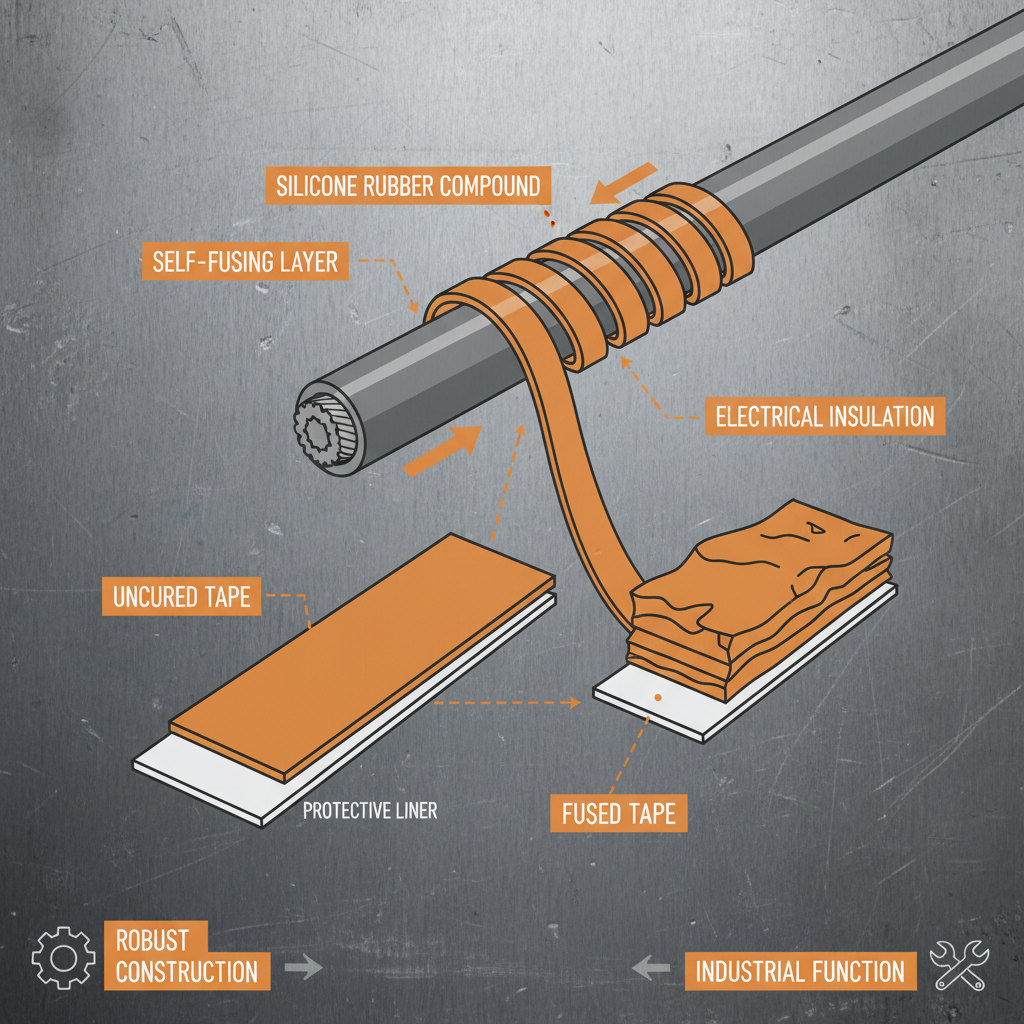
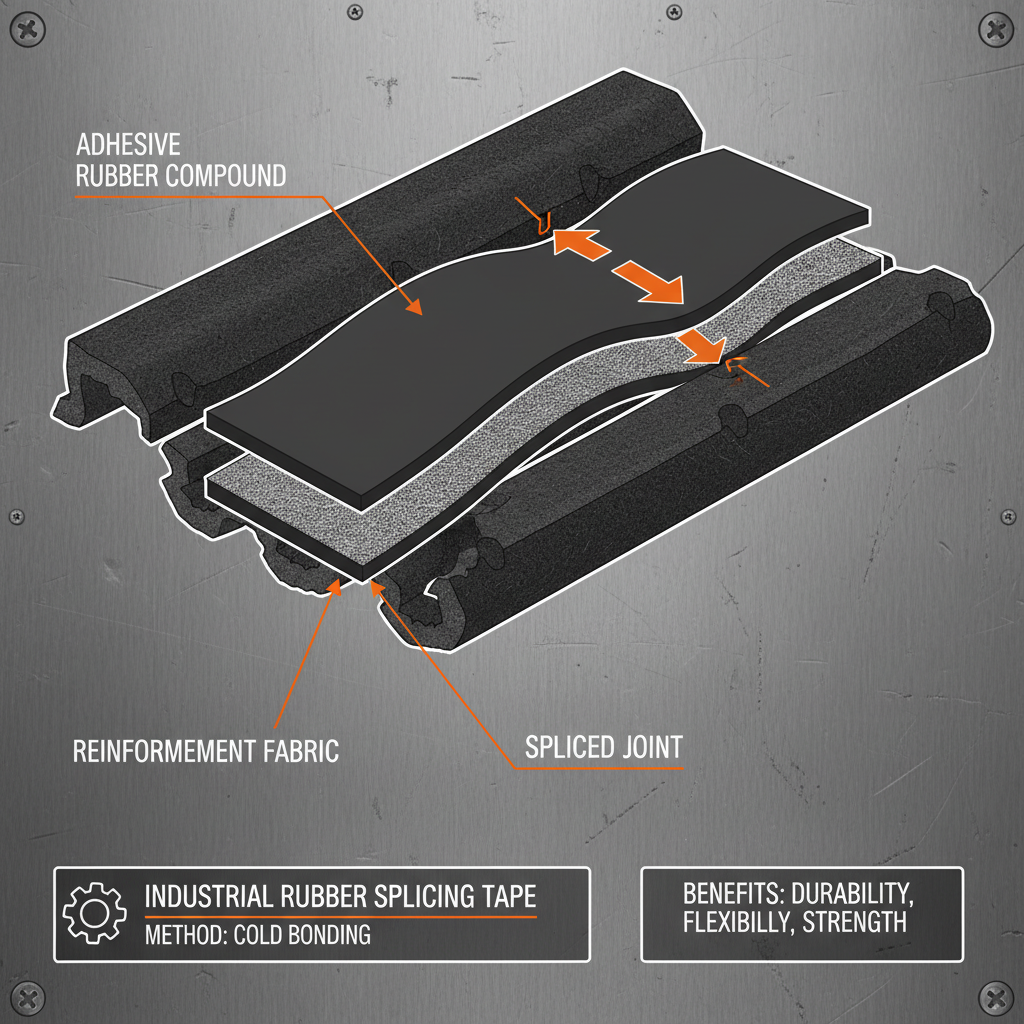
Rubber tape is a pressure-sensitive adhesive product composed of a rubber-based adhesive coated onto a flexible backing material. The rubber used can vary, including natural rubber, synthetic rubber (like neoprene, silicone, or butyl), or blends thereof, each offering different properties suited to specific applications. The backing material can range from cloth and vinyl to films and foams, influencing the tape's strength, conformability, and temperature resistance.
Its industrial relevance is immense. Rubber tape’s ability to create airtight and watertight seals, provide cushioning and vibration damping, and offer electrical insulation makes it indispensable in countless industries. From automotive assembly and HVAC systems to packaging and medical equipment, rubber tape facilitates critical functions and ensures product reliability.
The evolution of rubber tape technology reflects a growing demand for specialized performance characteristics. Today's rubber tape supplier offer solutions tailored to withstand extreme temperatures, resist chemicals, provide UV protection, and meet specific regulatory requirements across diverse sectors.
Core Characteristics of Quality Rubber Tape
Several key characteristics define the quality of rubber tape. Adhesion strength is paramount – the tape must adhere firmly to the intended surface without lifting or peeling. Tensile strength, or the tape’s resistance to breaking under tension, is crucial for applications requiring durability. The elongation at break determines how much the tape can stretch before failing, impacting its ability to conform to irregular surfaces.
Furthermore, resistance to environmental factors such as temperature fluctuations, humidity, UV exposure, and chemical contact is essential for ensuring long-term performance. A reliable rubber tape supplier will provide detailed specifications for these properties, allowing customers to select the appropriate tape for their specific operating conditions.
Finally, the consistency of these characteristics is vital. Quality control measures implemented by the supplier should guarantee that each batch of tape meets the specified standards, minimizing variations and ensuring predictable performance.
Key Performance Indicators for rubber tape supplier
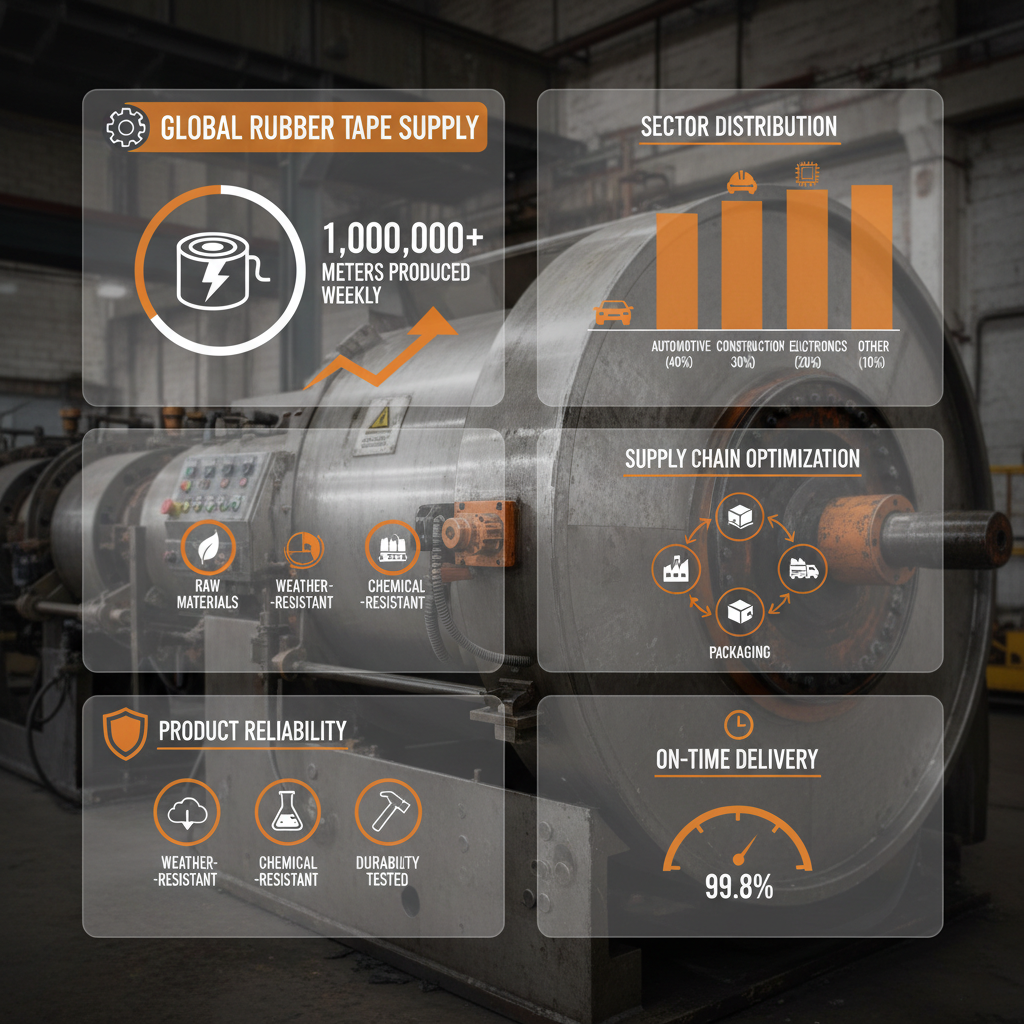
Evaluating a rubber tape supplier requires a focus on key performance indicators (KPIs) that directly impact operational efficiency and product quality. Delivery reliability, measured by on-time shipment rates, is a critical factor, as delays can disrupt production schedules. Cost-effectiveness, considering both price per unit and overall value, should also be assessed.
The supplier's ability to provide consistent product quality, demonstrated through rigorous testing and adherence to industry standards, is paramount. Responsiveness to customer inquiries and technical support capabilities further contribute to a positive supplier relationship.
KPI Performance Assessment for rubber tape supplier
Global Applications of Rubber Tape
The applications of rubber tape are widespread and diverse across the globe. In the automotive industry, it’s used for sealing, damping vibrations, and bonding components. The construction sector relies on it for weatherproofing, insulation, and securing building materials. Electrical and electronics manufacturers utilize rubber tape for insulation, shielding, and wire harnessing.
In post-disaster relief operations, rubber tape is crucial for temporary repairs, sealing shelters, and securing emergency supplies. In remote industrial zones, its versatility makes it an essential component for maintaining equipment and infrastructure. From aerospace applications demanding high-performance materials to medical devices requiring biocompatibility, rubber tape's adaptability ensures its continued relevance.
Advantages of Partnering with a Dedicated Supplier
Choosing a dedicated rubber tape supplier offers numerous advantages beyond simply procuring a product. A specialized supplier possesses in-depth knowledge of materials, application techniques, and industry regulations, enabling them to provide tailored solutions to meet specific needs. This expertise translates into improved product performance, reduced downtime, and lower overall costs.
Furthermore, a dedicated supplier is more likely to invest in research and development, offering access to innovative materials and technologies. Strong relationships with suppliers often lead to preferential pricing, expedited delivery times, and enhanced customer support, all contributing to a more streamlined and efficient supply chain.
A long-term partnership fosters collaboration and continuous improvement, allowing customers to leverage the supplier's expertise to optimize their processes and stay ahead of the competition.
Future Trends in Rubber Tape Technology
The future of rubber tape is poised for significant advancements, driven by sustainability concerns, technological innovations, and evolving industry demands. Research into bio-based and biodegradable rubber materials is gaining momentum, offering eco-friendly alternatives to traditional synthetic rubbers.
The development of smart tapes with integrated sensors capable of monitoring temperature, pressure, or strain is also on the horizon, opening up new possibilities for predictive maintenance and real-time performance analysis. Furthermore, advancements in adhesive technology are leading to tapes with enhanced adhesion strength, temperature resistance, and chemical compatibility.
Digitalization and automation are transforming the rubber tape supply chain, enabling faster order processing, improved inventory management, and enhanced traceability. These innovations will ultimately drive greater efficiency, sustainability, and value for customers.
Key Trends in Rubber Tape Technology
| Trend Category |
Impact on Application |
Adoption Rate (1-10) |
Key rubber tape supplier Players |
| Bio-Based Materials |
Reduced environmental footprint |
6 |
QiangDatape, 3M |
| Smart Tape Integration |
Predictive maintenance capabilities |
4 |
Nitto, Avery Dennison |
| Enhanced Adhesion Tech |
Improved bond strength and durability |
8 |
Scapa, Tesa |
| UV Resistant Formulations |
Extended lifespan in outdoor applications |
7 |
ProTapes, Permacel |
| Temperature Stable Polymers |
Performance in extreme environments |
5 |
Gerhard Schubert, Saint-Gobain |
| Digital Supply Chain Integration |
Real-time inventory & order tracking |
9 |
All Major suppliers |
FAQS
When choosing rubber tape for outdoor applications, prioritize UV resistance, water resistance, and temperature stability. Exposure to sunlight can degrade many rubber compounds, leading to cracking and loss of adhesion. Similarly, moisture can compromise adhesion and cause corrosion. Selecting a tape specifically formulated to withstand these elements will ensure long-term performance and reliability. A reputable rubber tape supplier can advise on the best materials for your specific outdoor environment.
The backing material significantly influences the tape’s tensile strength, elongation, conformability, and overall durability. Cloth backings offer good flexibility and conformability, while film backings provide higher strength and tear resistance. Foam backings provide cushioning and sealing properties. The ideal backing material depends on the specific application requirements and the desired performance characteristics.
Natural rubber tape offers excellent tack and adhesion but has limited resistance to oils, chemicals, and UV exposure. Synthetic rubber tapes, such as neoprene, silicone, and butyl, provide superior resistance to these factors. Silicone rubber tape also exhibits excellent temperature resistance. The choice between natural and synthetic rubber depends on the specific environmental conditions and the materials being bonded.
Look for a rubber tape supplier with robust quality control systems in place, including ISO 9001 certification. Request detailed product specifications and testing data, and consider conducting your own quality checks on incoming materials. Regular communication with the supplier and a collaborative approach to problem-solving can also help ensure consistent quality.
The shelf life of rubber tape varies depending on the adhesive and backing material, but generally ranges from 1 to 5 years when stored properly. Store tape in a cool, dry place away from direct sunlight and heat. Avoid exposure to solvents and chemicals. Following the supplier’s storage recommendations will help maintain the tape’s adhesive properties and performance.
Yes, many rubber tape supplier offer customization options, including die-cutting to specific shapes and sizes, slitting to different widths, and printing with custom logos or markings. Some suppliers also offer custom formulations to meet unique performance requirements. Discuss your specific needs with the supplier to explore available customization options.
Conclusion
In conclusion, a reliable rubber tape supplier is essential for businesses across diverse industries. Understanding the core characteristics of quality rubber tape, the importance of KPIs, and future trends in technology allows organizations to make informed decisions and optimize their operations. By prioritizing quality, innovation, and a strong supplier relationship, companies can ensure consistent performance, reduce costs, and maintain a competitive edge.
Looking ahead, the rubber tape market will continue to evolve, driven by sustainability concerns and technological advancements. Embracing eco-friendly materials, exploring smart tape solutions, and fostering collaboration with innovative suppliers will be crucial for navigating this dynamic landscape and unlocking new opportunities. Visit our website at www.qiangdatape.com to learn more about how we can help meet your rubber tape needs.