0%

Table of Contents

Look, honestly, the whole industry’s buzzing about customization. Everyone wants something different. It used to be, give ‘em a standard roll of PVC electrical tape, they’d take it. Now? “Oh, can you make the adhesive a little more aggressive?” “Can we get a custom print, it’s for our branding?” It’s exhausting, but it’s where things are heading. It’s gotten so people expect it.

Have you noticed how many companies are trying to get into “eco-friendly” tapes? Biodegradable backing, vegetable-based adhesives… Sounds good on paper, but I’ve seen a lot of them fall apart in the humidity. A tape’s gotta hold, you know? I encountered a mess at a solar farm installation in Nevada last summer – entire rolls of this “green” tape just peeling off the wires in the heat. A complete disaster. You end up spending more time re-doing work than actually doing it.

And that brings me to the PVC itself. It’s…it's hard to explain if you’ve never actually worked with it. Good PVC – the stuff we get from pvc electrical tape factory, specifically – it’s got a certain heft to it. It doesn’t feel brittle. It smells…well, it smells like PVC, which is a smell you get used to. The cheaper stuff? Feels like plastic wrap. And the adhesive… that’s key. You want something that’s tacky, but doesn't leave a residue that's impossible to clean up.

Exploring PVC Electrical Tape Quality and Customization from a Leading Factory

Recent Trends and Design Pitfalls

Exploring PVC Electrical Tape Quality and Customization from a Leading Factory

Strangely, one thing I’m seeing more and more is people over-engineering the release liner. They’re using fancy silicones and coatings, trying to make it too easy to peel. I mean, yeah, it's convenient, but it also means it can separate during application, leaving you with bits of liner stuck to your wire. A little bit of resistance is good. You want to feel it sticking.

The biggest pitfall though? Ignoring the environment. You can have the most amazing adhesive in the world, but if it can't handle extreme temperatures or high humidity, it’s worthless. You gotta think about where this tape’s actually going to be used.

The Core Material: PVC and Adhesive

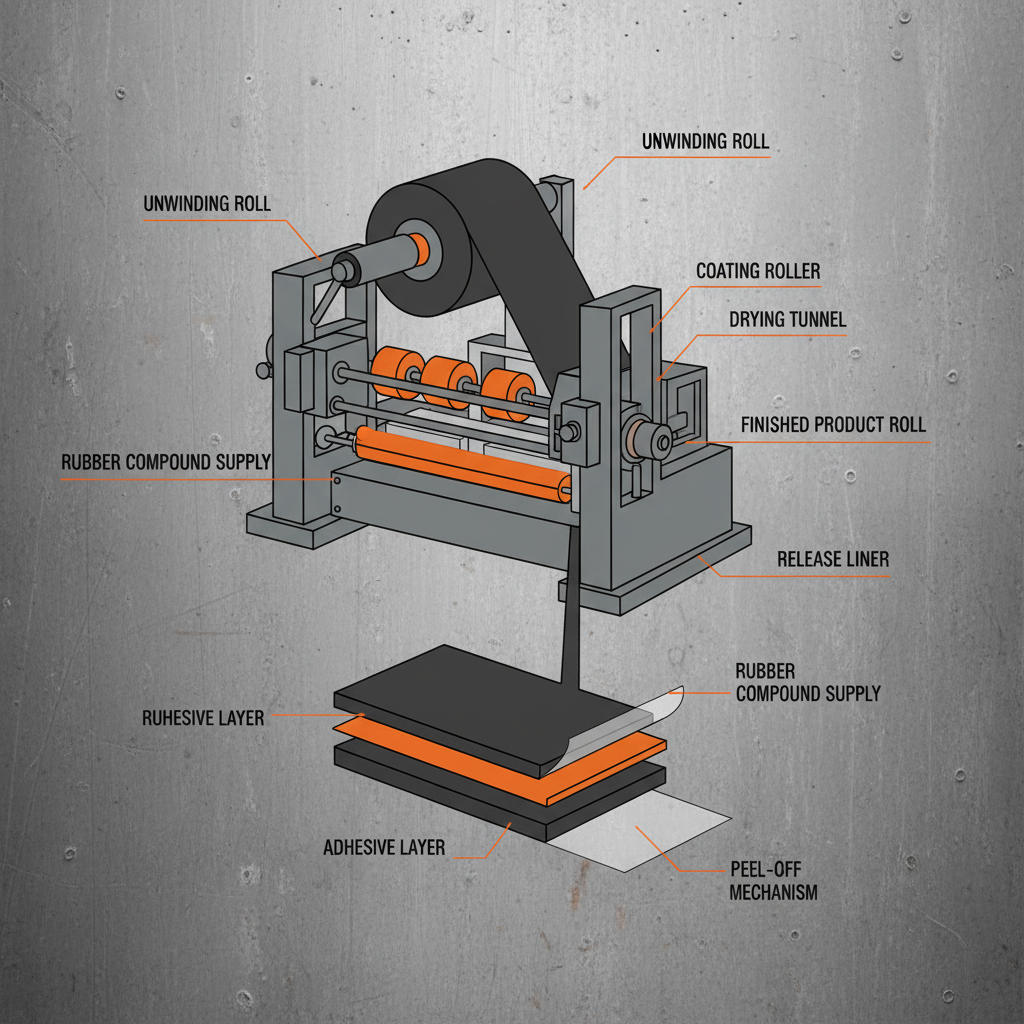
Now, PVC… there are grades, you know. Cheap PVC is brittle, cracks easy. Good PVC is flexible, durable. We mostly work with a phthalate-plasticized PVC – gives it that flexibility. It's a balancing act, really. You need it to be pliable enough to conform to irregular surfaces, but strong enough to withstand abrasion.

The adhesive is where it gets really tricky. Acrylic, rubber-based, hot melt… they all have their strengths and weaknesses. For general electrical work, a rubber-based adhesive is usually the way to go. Good tack, decent temperature resistance. But for high-temperature applications, you need an acrylic. It’s more expensive, but it won’t melt and leave a gooey mess.

And don't even get me started on the carrier! It's not just about the PVC film itself, but how it's made, the tensile strength, the elongation at break… Anyway, I think those details get lost on most folks.

Rigorous Testing - Beyond the Lab

Lab tests are fine, I guess. Pull tests, tensile strength, adhesion… But the real test is out in the field. I’ve personally ripped rolls of tape off wires in freezing temperatures, baked them in direct sunlight, and soaked them in saltwater to see how they hold up. It's not pretty, but it tells you what you really need to know.

We send samples to guys installing electrical systems in power plants, outfitting ships, even to those doing repairs on wind turbines. They give us honest feedback. "This tape worked great," or "This tape peeled off after a week." That's gold. Forget the fancy equipment, give me a real-world report any day.

Another thing… we test for cold flow. That’s when the tape slowly deforms under pressure over time. You don’t want that happening around a connector, creating gaps and potential shorts.

Real-World Usage: It's Not Always What You Expect

You'd be surprised how people misuse electrical tape. I’ve seen guys using it to patch up hoses, temporarily fix broken tools… It's not designed for that! It’s for insulating electrical connections, and that’s it.

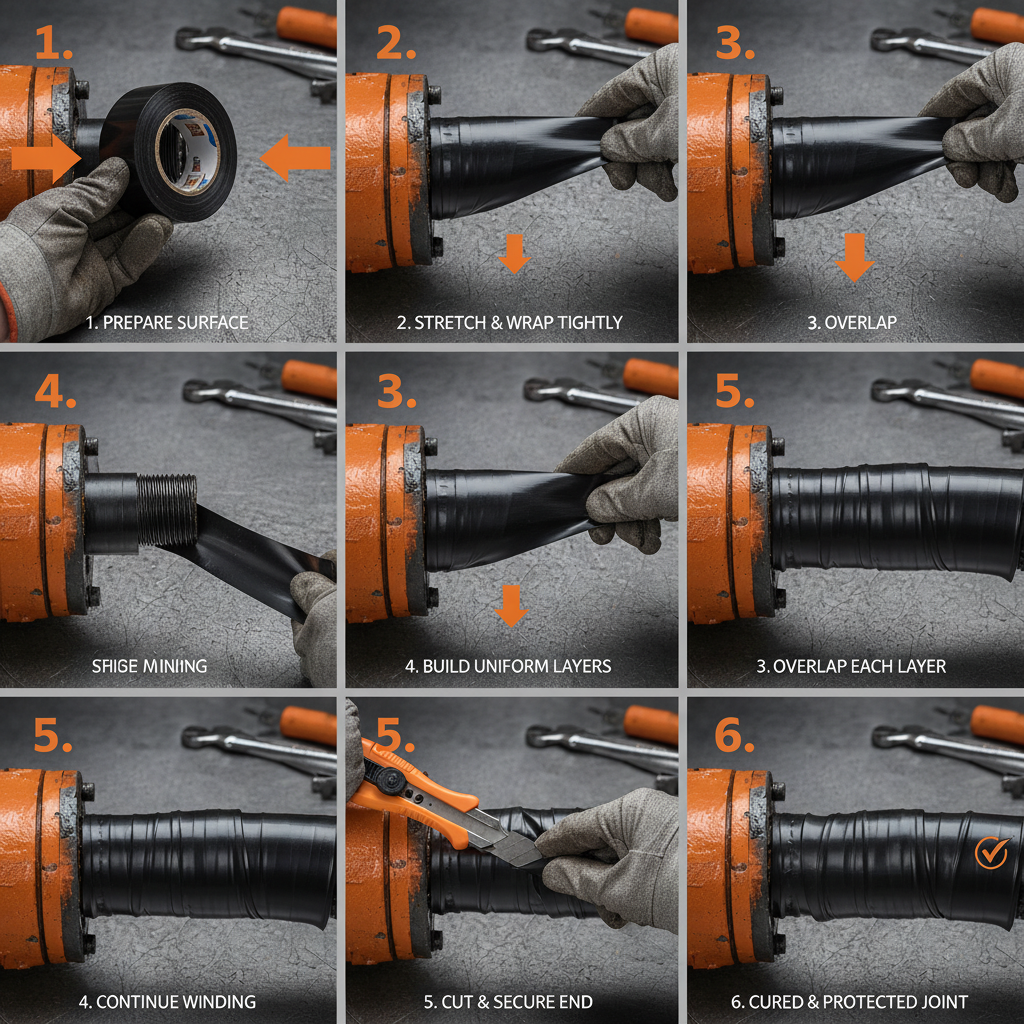
And then there’s the layering. Some folks think the more layers you put on, the better the insulation. Wrong! You want a clean, tight wrap. Too many layers just creates air pockets and can actually reduce the effectiveness of the insulation.

PVC Electrical Tape Performance - Key Metrics


Advantages, Disadvantages, and Customization

The biggest advantage of PVC tape? Versatility. It’s relatively cheap, readily available, and works well in a wide range of applications. Plus, the color coding is a lifesaver. You know instantly what each wire is for.

The disadvantages? Well, it’s not the most environmentally friendly material. And it can become brittle over time, especially in cold climates. But, honestly, for the price and performance, it’s still hard to beat.

A Customer Story: The Debacle

Last month, that small boss in Shenzhen who makes smart home devices – Mr. Li, a real firecracker – insisted on changing the interface to for his new sensor. He wanted the tape to be black to match the connectors. Seemed simple enough. We did a custom run, printed the tape, shipped it out. A week later, I get a call, screaming about the tape not adhering properly to the housings. Turned out the plastic used on the housings had a release agent – something they use in manufacturing to make it easier to mold the parts. The tape just wouldn't stick. He’d ignored our recommendation to test the tape on the actual housing before placing a large order. Cost him a fortune in scrapped parts. And a lot of yelling on the phone.

Anyway, I think you gotta remember that customization is great, but it requires testing. Always.

Core Performance Metrics

We track a lot of different metrics to make sure our tape meets spec. But honestly, the stuff that really matters to the guys on the ground boils down to a few key things.

They need it to stick, they need it to hold up in the weather, and they need it to not leave a gooey mess when they peel it off. All the fancy lab numbers in the world don't matter if it fails on those fronts.

And it’s not just about the tape itself, it's how it interacts with the other materials on site.

Key Performance Indicators for PVC Electrical Tape

Parameter Standard Value Acceptable Range Testing Method
Adhesion to Steel (N/cm) 10 8-12 ASTM D3654
Tensile Strength (MPa) 20 18-22 ASTM D2303
Elongation at Break (%) 150 130-170 ASTM D2303
Dielectric Strength (kV/mm) 20 18-22 ASTM D816
Operating Temperature (°C) -20 to 85 -25 to 90 In-house testing
Flammability (UL Rating) UL 510 Compliant UL Standards

FAQS

What's the best way to store PVC electrical tape to prevent it from drying out?

Honestly, it’s all about keeping the air out. Store it in a sealed container, away from direct sunlight and heat. We recommend keeping it in its original packaging if possible, or wrapping it tightly in plastic wrap. The adhesive can dry out if exposed to air for too long, making it brittle and less effective. It’s a surprisingly common issue, especially in hotter climates.

Can PVC electrical tape be used outdoors, or will the weather affect it?

It can be used outdoors, but you need to choose the right grade. Standard PVC tape will become brittle and crack in extreme temperatures and prolonged UV exposure. We offer tapes specifically designed for outdoor use, with UV inhibitors and a more flexible PVC formulation. They'll hold up much better in harsh conditions, but even those have a lifespan. It depends on the specific environment.

What's the difference between PVC electrical tape and vinyl electrical tape?

That’s a good question. Honestly, the terms are often used interchangeably, and it can be confusing. Technically, vinyl is a broader category of plastic, and PVC is a type of vinyl. Most electrical tape labeled as "vinyl" is actually PVC. But the quality can vary significantly. Always look for tape that meets industry standards (UL, CSA) to ensure it’s safe and reliable.

How do I remove sticky residue left behind after removing electrical tape?

Isopropyl alcohol is your friend. Apply a small amount to a clean cloth and gently rub the residue. Avoid using harsh solvents like acetone, as they can damage the underlying surface. Sometimes, a little bit of vegetable oil can also work wonders, but you’ll need to clean it off afterwards. The type of adhesive makes a huge difference too - higher quality tape tends to leave less residue.

Can I use electrical tape to insulate a damaged power cord as a permanent fix?

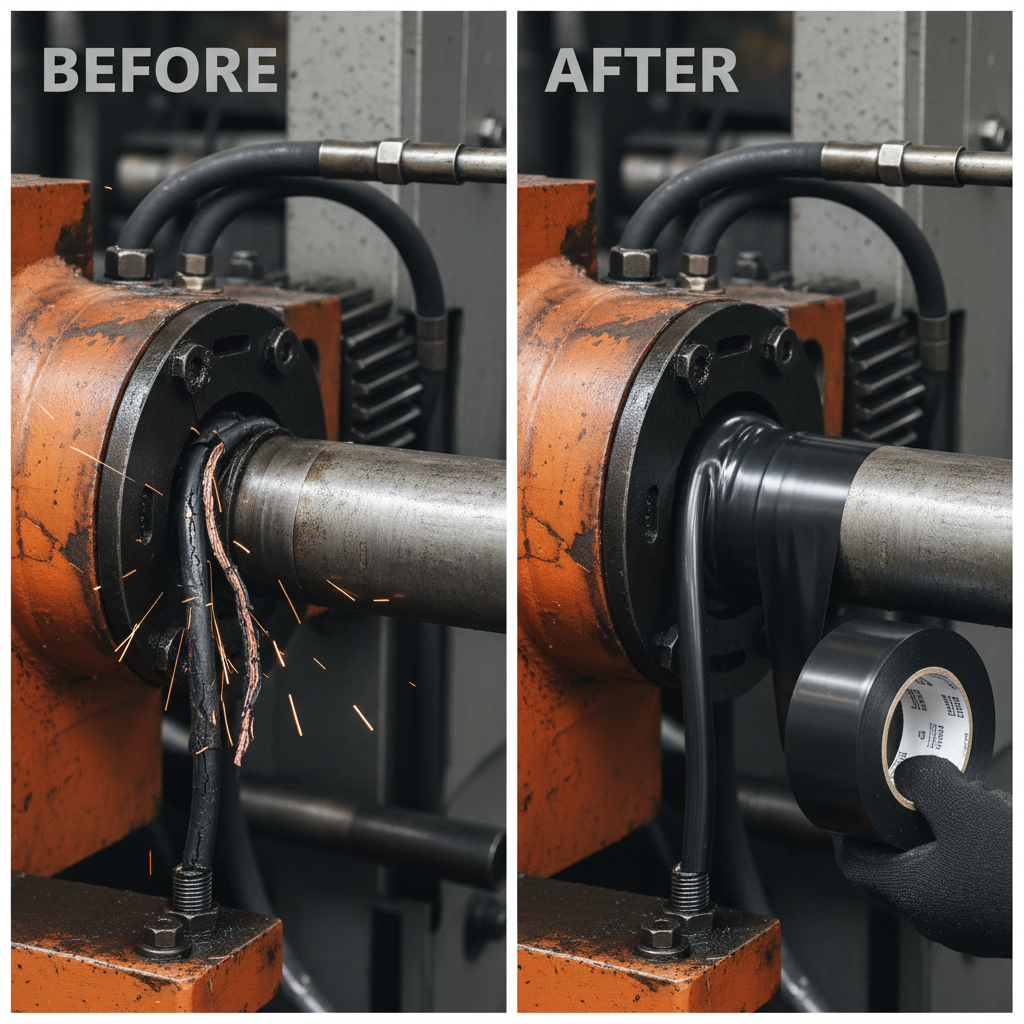
Absolutely not. Electrical tape is a temporary fix at best. A damaged power cord should be replaced immediately. Using tape as a permanent solution is a serious fire hazard. It’s not worth the risk. Seriously. Don't do it. We sell the tape for proper applications, not for covering up dangerous situations.

What's the typical shelf life of PVC electrical tape?

Generally, if stored properly (sealed container, cool and dry place), PVC electrical tape can last for several years, typically 5-10 years. But the adhesive will degrade over time. It’s always a good idea to check the tape for brittleness or tackiness before using it, especially if it’s been sitting around for a long time. If it feels hard or doesn’t stick well, it’s probably time to replace it.

Conclusion

So, yeah, PVC electrical tape. It might seem like a simple product, but there’s a lot more to it than meets the eye. It’s about understanding the materials, the applications, the testing, and the real-world needs of the people who are actually using it. It’s a surprisingly complex business.

Ultimately, whether this thing works or not, the worker will know the moment he tightens the screw. And if it holds, and if it lasts, then we've done our job. If you're looking for a reliable pvc electrical tape factory, give us a shout. We’ve been doing this a long time, and we know our stuff.

David Chen

David Chen

David Chen serves as the Production Manager at Julu Country Xiangfan Seals Factory. He oversees all aspects of the manufacturing process, from raw material procurement to final product packaging. With a background in Mechanical Engineering and a keen eye for detail, David ensures the efficiency and quality of our tape
Previous Exploring the Diverse Applications and Benefits of Butyl Rubber Tape Uses
Next Expert Insights on PVC Electrical Tape Suppliers and Performance