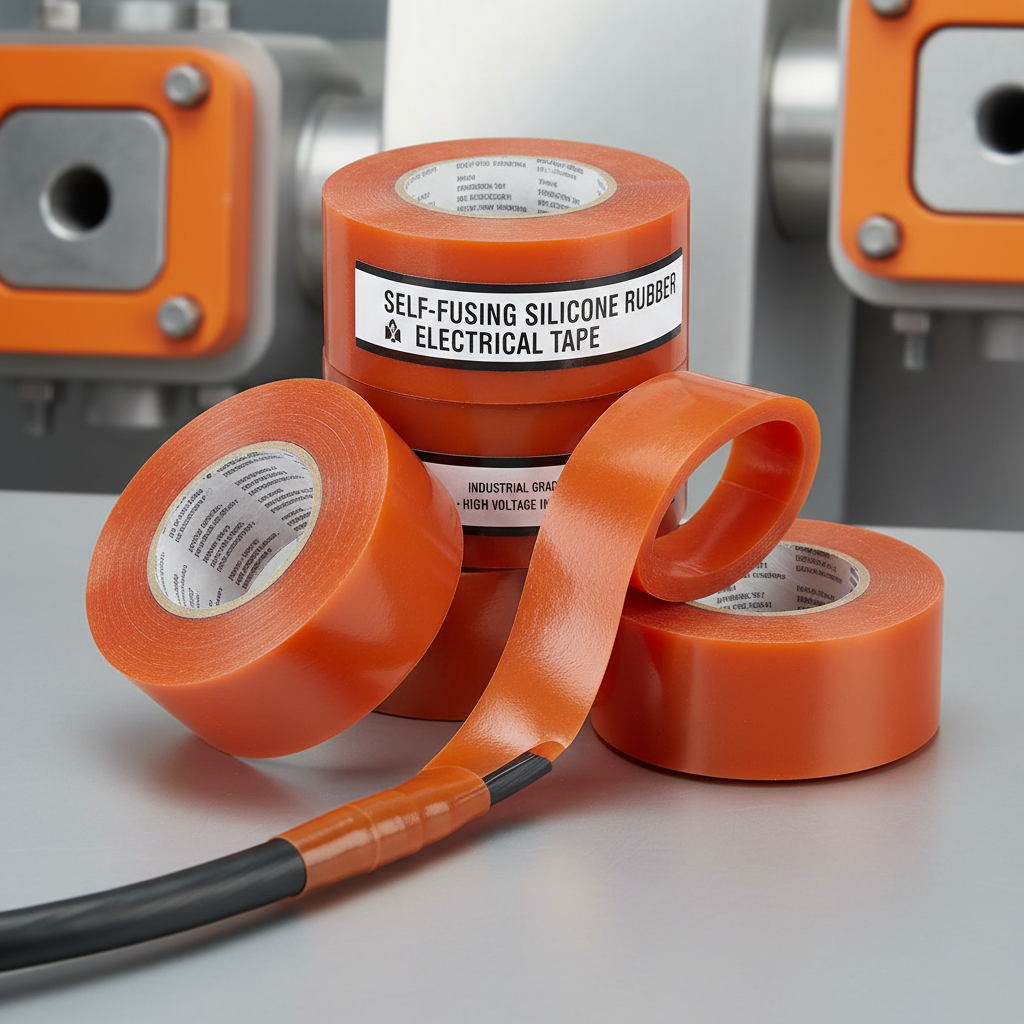
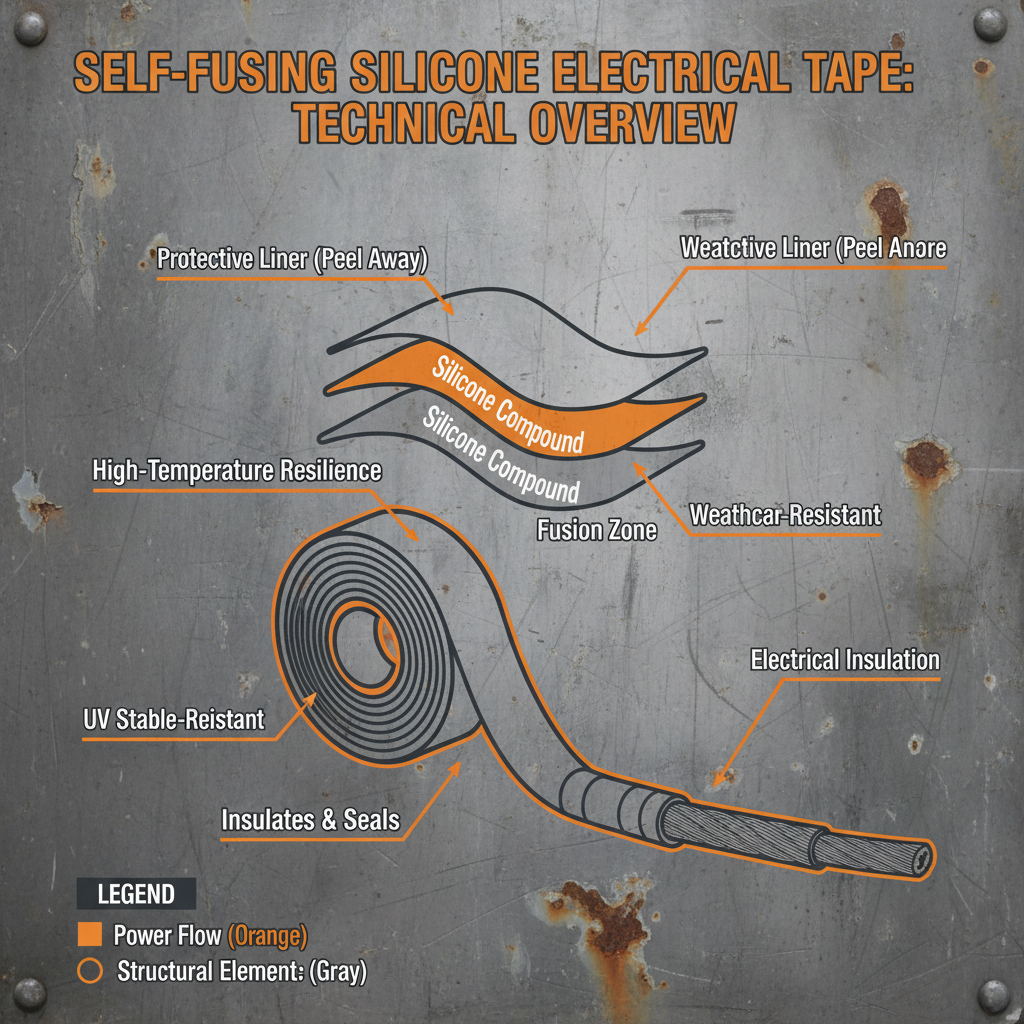
Butyl rubber tape uses are critical across a diverse range of industries, from construction and automotive to HVAC and packaging. Its inherent properties – exceptional impermeability to air and moisture, excellent chemical resistance, and robust durability – make it a go-to solution for sealing, bonding, and protecting against environmental factors. Understanding the breadth of these applications is crucial for optimizing performance and ensuring long-term reliability in numerous projects.
The global demand for effective sealing and bonding solutions is steadily increasing, driven by infrastructure development, stringent environmental regulations, and a growing emphasis on energy efficiency. Butyl rubber tape, with its versatility and cost-effectiveness, is perfectly positioned to meet these demands. As industries strive for sustainable practices and longer-lasting products, the significance of butyl rubber tape uses will only continue to grow.
Moreover, advancements in butyl rubber formulations and application techniques are broadening the scope of its utility, making it adaptable to increasingly complex and specialized needs. This has resulted in widespread adoption of butyl rubber tape across the globe, solidifying its position as an indispensable material in modern manufacturing and maintenance.
Introduction to Butyl Rubber Tape Uses
Butyl rubber tape is a pressure-sensitive adhesive tape constructed from butyl rubber, a synthetic rubber known for its exceptional properties. Its primary function revolves around creating airtight and watertight seals, making it invaluable in diverse applications. The extensive array of butyl rubber tape uses stems directly from its unique chemical composition and resulting physical characteristics.
This tape isn't merely a quick fix; it represents a long-term, reliable solution for preventing leaks, protecting against corrosion, and reducing energy loss. From sealing seams in roofing materials to creating vapor barriers in HVAC systems, butyl rubber tape’s versatility makes it an essential component in countless projects across various industries.
Defining Butyl Rubber Tape and Its Significance
Butyl rubber tape is a specialized adhesive tape composed of butyl rubber, a copolymer of isobutylene and isoprene. Its hallmark is its remarkable impermeability to gases and moisture, making it ideal for sealing applications. This characteristic, coupled with its flexibility and strong adhesion, positions butyl rubber tape as a critical component in maintaining the integrity of structures and systems.
The significance of butyl rubber tape extends far beyond simple sealing. It plays a vital role in energy conservation by preventing air leakage in buildings, protecting sensitive equipment from environmental damage, and ensuring the longevity of infrastructure projects. Its importance is magnified in industries where maintaining a controlled environment is paramount, such as pharmaceuticals and food processing.
In a world increasingly focused on sustainability, the durability and long-lasting performance of butyl rubber tape contribute to reducing waste and lowering the lifecycle costs of projects, reinforcing its relevance in modern construction and manufacturing.
Key Properties Influencing Butyl Rubber Tape Uses
Several key properties contribute to the widespread use of butyl rubber tape. First and foremost is its exceptional impermeability to air and moisture, which is vital for sealing applications in roofing, HVAC, and automotive industries. This impermeability directly impacts energy efficiency and prevents corrosion.
Secondly, butyl rubber tape demonstrates excellent chemical resistance, meaning it can withstand exposure to a wide range of substances without degrading. This makes it suitable for use in harsh environments and applications involving aggressive chemicals. Its inherent flexibility allows it to conform to irregular surfaces, ensuring a tight and reliable seal.
Finally, butyl rubber tape exhibits superior aging characteristics, resisting cracking and hardening over time. This durability translates to a long service life and reduced maintenance requirements, making it a cost-effective solution in the long run. These properties collectively define the extensive range of butyl rubber tape uses.
Global Applications of Butyl Rubber Tape Uses
Butyl rubber tape uses are ubiquitous globally, spanning numerous industries. In the construction sector, it is extensively used for sealing roofing seams, flashing around chimneys and vents, and creating vapor barriers in walls and foundations. Automotive manufacturers rely on it for sealing body panels, windshields, and other components to prevent water and air intrusion.
The HVAC industry utilizes butyl rubber tape for sealing ductwork, connecting insulation panels, and creating airtight seals around equipment. In the packaging industry, it serves as a reliable sealant for cartons, boxes, and other containers. From post-disaster relief operations utilizing it for temporary shelter sealing, to remote industrial zones using it for pipeline protection, its adaptability is unmatched.
Butyl Rubber Tape Uses by Industry
Advantages and Long-Term Value of Using Butyl Rubber Tape
The advantages of utilizing butyl rubber tape are multifaceted. Cost-effectiveness is a primary benefit, as it often provides a more economical sealing solution compared to alternatives like liquid sealants or complex mechanical fasteners. Its ease of application further reduces labor costs and project timelines.
Beyond immediate cost savings, butyl rubber tape offers significant long-term value. Its durability and resistance to environmental degradation minimize maintenance needs and extend the lifespan of sealed components. This contributes to sustainability by reducing material waste and the frequency of replacements. The inherent reliability also offers peace of mind, ensuring the integrity of critical systems and structures.
Future Trends in Butyl Rubber Tape Technology
The future of butyl rubber tape technology is poised for innovation, driven by the demand for even more sustainable and high-performance solutions. Research is focused on developing bio-based butyl rubber formulations, reducing reliance on petrochemicals and minimizing environmental impact. Furthermore, advancements in adhesive technology are enhancing bonding strength and broadening the range of substrates butyl rubber tape can adhere to.
Integration with smart materials and sensors is another emerging trend, allowing for real-time monitoring of seal integrity and predictive maintenance. Digital transformation also plays a role, with increased automation in the tape manufacturing process leading to greater consistency and efficiency. These advancements ensure butyl rubber tape uses will remain relevant in a rapidly evolving technological landscape.
Challenges and Solutions in Butyl Rubber Tape Applications
Despite its numerous benefits, butyl rubber tape applications face certain challenges. Surface preparation is critical for achieving optimal adhesion, and inadequate cleaning or priming can lead to premature failure. Temperature extremes can also affect tape performance, requiring careful consideration of the operating environment.
To overcome these challenges, proper surface preparation techniques – including thorough cleaning, degreasing, and priming – are essential. Selecting butyl rubber tape formulations specifically designed for the intended temperature range is also crucial. Expert training and adherence to manufacturer guidelines can further mitigate risks and ensure successful application of butyl rubber tape uses.
Furthermore, ongoing research is exploring modified butyl rubber compositions with enhanced temperature resistance and improved adhesion to difficult substrates, addressing these limitations head-on.
A Comparative Analysis of Butyl Rubber Tape Performance Across Different Applications
| Application Area |
Performance Metric |
Rating (1-10) |
Long-Term Durability |
| Roofing Seams |
Water Resistance |
9 |
10+ Years |
| Automotive Body |
Vibration Dampening |
7 |
5-7 Years |
| HVAC Ductwork |
Air Tightness |
8 |
8-10 Years |
| Packaging Closure |
Tamper Evidence |
6 |
2-3 Years |
| Industrial Pipelines |
Corrosion Protection |
8 |
7-9 Years |
| Window & Door Sealing |
Thermal Insulation |
7 |
6-8 Years |
FAQS
Butyl rubber tape’s unique combination of properties – exceptional impermeability, chemical resistance, flexibility, and durability – sets it apart. Unlike acrylic or other adhesive tapes, it forms a permanent, airtight, and watertight seal even under extreme conditions. This makes it more reliable for long-term applications and minimizes the need for frequent replacements, ultimately saving cost and time. Its inherent aging resistance also prolongs its functional life considerably.
While butyl rubber tape offers excellent adhesion, applying it directly to excessively wet surfaces is not recommended. Moisture can hinder the initial bond and compromise the long-term seal. Ideally, surfaces should be clean, dry, and free of any contaminants before applying the tape. However, it does exhibit some tolerance for slightly damp surfaces, as long as the water isn't pooling and is allowed to evaporate before the tape fully sets.
The optimal temperature range for butyl rubber tape application typically falls between 20°F (-7°C) and 100°F (38°C). However, the specific temperature tolerance can vary depending on the formulation of the tape. Some specialized butyl rubber tapes are designed to withstand even lower or higher temperatures. It’s crucial to consult the manufacturer’s specifications to ensure the tape is suitable for the intended environment.
The lifespan of butyl rubber tape is remarkably long, typically ranging from 10 to 20+ years, depending on the application, environmental conditions, and the quality of the tape itself. Its resistance to UV radiation, weathering, and chemical exposure contributes to its durability. Regular inspections can help identify any potential issues early on, maximizing its lifespan and ensuring continued performance.
Butyl rubber tape, while a synthetic material, offers some environmental benefits. Its durability and long lifespan reduce the need for frequent replacements, minimizing waste. Moreover, ongoing research is focused on developing bio-based butyl rubber formulations, using renewable resources to reduce reliance on petrochemicals. When disposed of properly, butyl rubber can sometimes be recycled or repurposed.
Proper surface preparation is paramount. Begin by cleaning the surface thoroughly to remove dirt, dust, grease, oil, and any loose particles. Use a suitable solvent or cleaner for the specific substrate. Ensure the surface is dry before applying the tape. For porous surfaces like wood, a primer may be necessary to enhance adhesion. Refer to the tape manufacturer's instructions for specific recommendations.
Conclusion
In conclusion, butyl rubber tape uses represent a versatile and reliable solution across a wide spectrum of industries. Its unique combination of properties – impermeability, chemical resistance, durability, and ease of application – makes it an indispensable material for sealing, bonding, and protecting against environmental factors. From construction and automotive to HVAC and packaging, the benefits are clear: enhanced performance, reduced maintenance, and long-term cost savings.
Looking ahead, continued innovation in butyl rubber formulations and application techniques will only expand its utility. By embracing sustainable practices and exploring bio-based alternatives, we can further enhance the environmental profile of this valuable material. To learn more about the specific applications and benefits of butyl rubber tape for your needs, visit our website: www.qiangdatape.com