Honestly, the whole industry's buzzing about these new high-voltage PVC electrical tapes. Everyone’s chasing higher breakdown voltages, better flame retardancy… it’s all about ticking those certification boxes, you know? But, and this is a big but, I've seen so many guys get tripped up trying to make a tape that’s too good on paper. They forget about how it actually feels in your hand, how easily it tears, whether it sticks properly on dirty surfaces. It's a trap, I tell ya. A beautiful, expensive trap.
Have you noticed that every manufacturer now claims their tape is "self-extinguishing"? Yeah, right. Most of them just char and smolder a little slower. Don’t get me wrong, it's better, but don't believe the hype. The real difference is in the adhesive. That's where things get interesting… and usually messy.
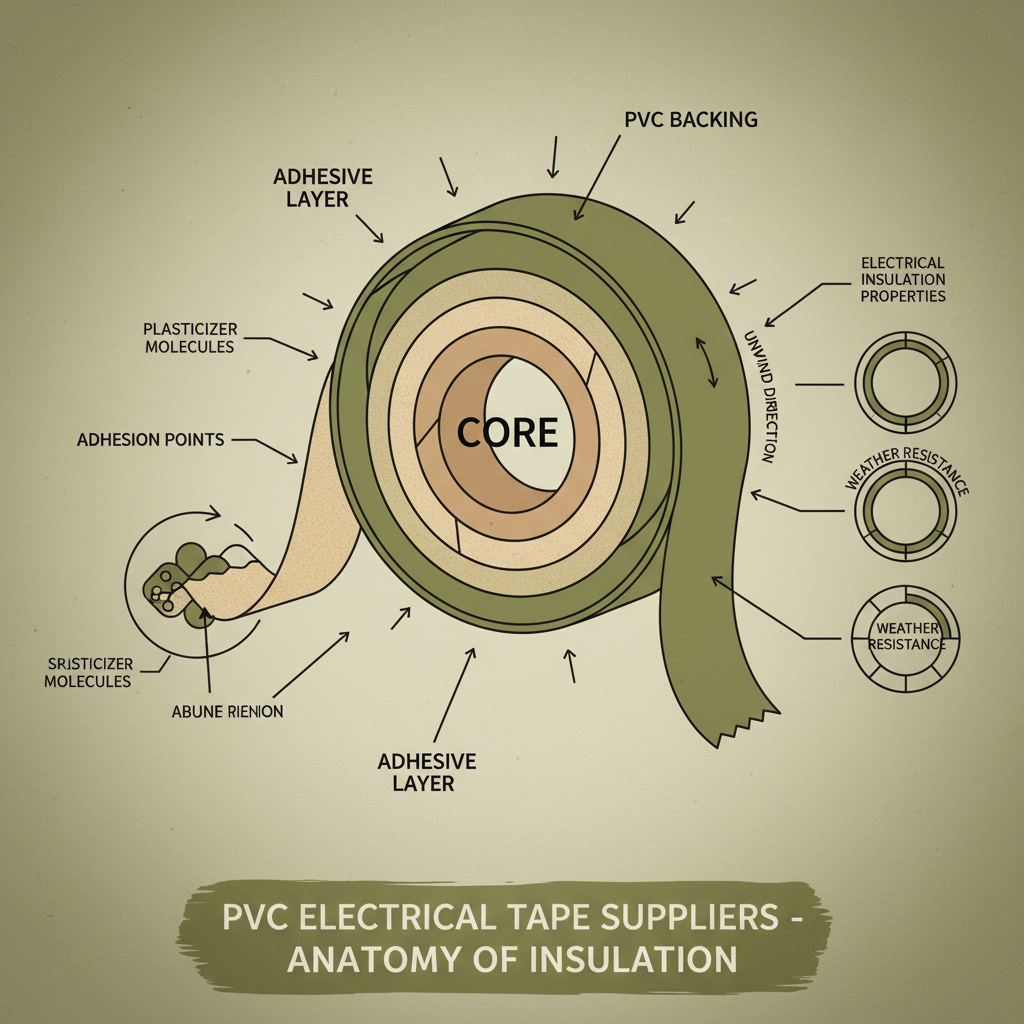
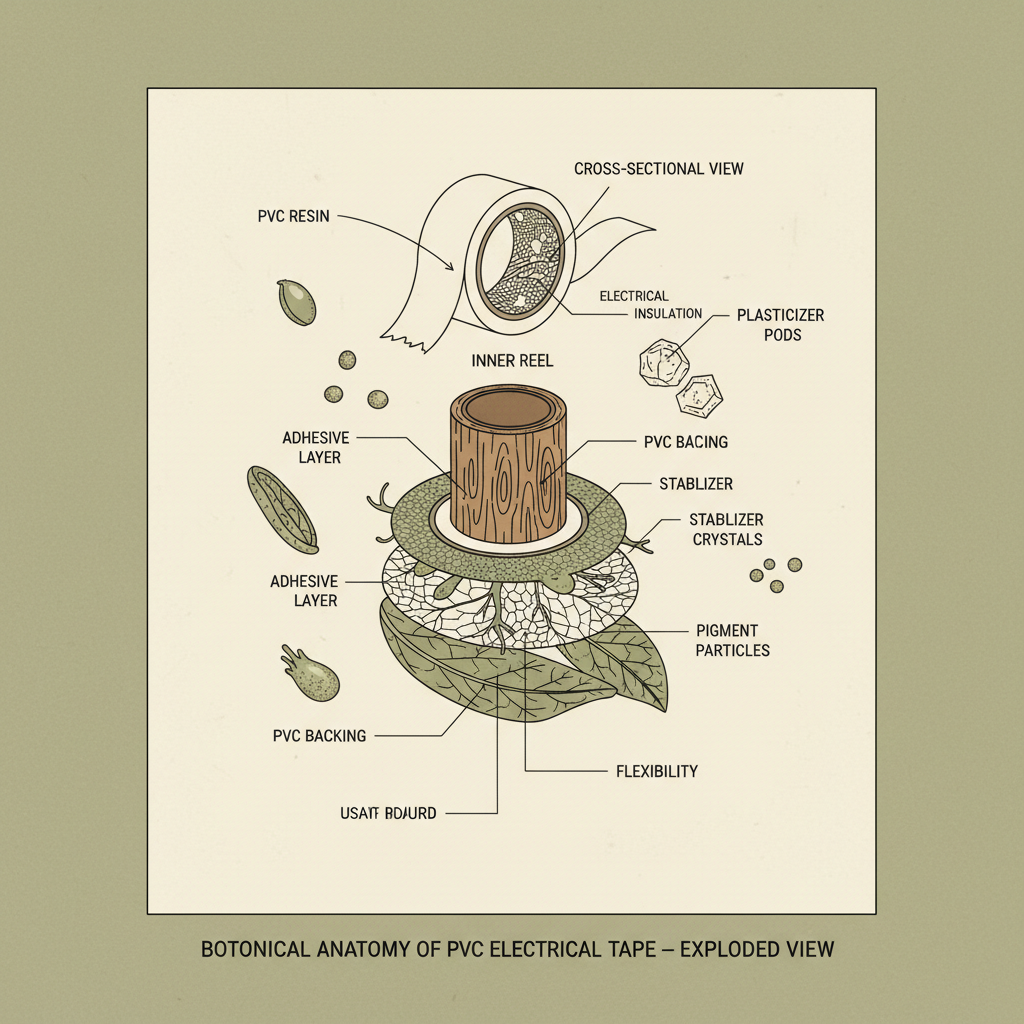
We mainly work with PVC, naturally. It’s the workhorse. But it's the blend of the PVC that matters. Some suppliers use cheaper stuff, you can smell it right away – a kind of plasticky, chemical odor. The good stuff has a slightly rubbery feel, it’s a bit more… pliable. And the backing. That’s polyester film, usually. Thickness is key. Too thin, and it’ll tear easily. Too thick, and you can’t get a good wrap on tight corners. It’s a balancing act.
Industry Trends and Common Pitfalls
Strangely enough, a lot of the "innovation" I'm seeing is just marketing spin. Everyone's pushing "nano-technology" or "enhanced polymers," but honestly, most of it doesn't translate to noticeable improvements on the job site. What does matter is consistency. You need a tape that performs the same way every single roll. And that's where the cheaper suppliers often fall down. Their quality control is… lacking, to put it mildly.
I encountered this at a factory in Dongguan last time. They were boasting about their new “ultra-flexible” tape, but it wouldn’t even stick to slightly oily conduit. The engineer just shrugged and said, “It’s good for testing, not for real work.” Which, you know, pretty much sums it up.
Material Deep Dive: PVC and Beyond
PVC is king for a reason. It's cheap, it's durable, it insulates well. But it's not perfect. It gets brittle in cold weather, and it can off-gas a bit – you can definitely smell it on a hot day. We’ve started seeing more suppliers experimenting with different plasticizers to improve flexibility and reduce the smell, which is good. Some are even trying to replace PVC altogether with more environmentally friendly materials, but those are generally a lot more expensive and haven’t quite matched the performance yet.
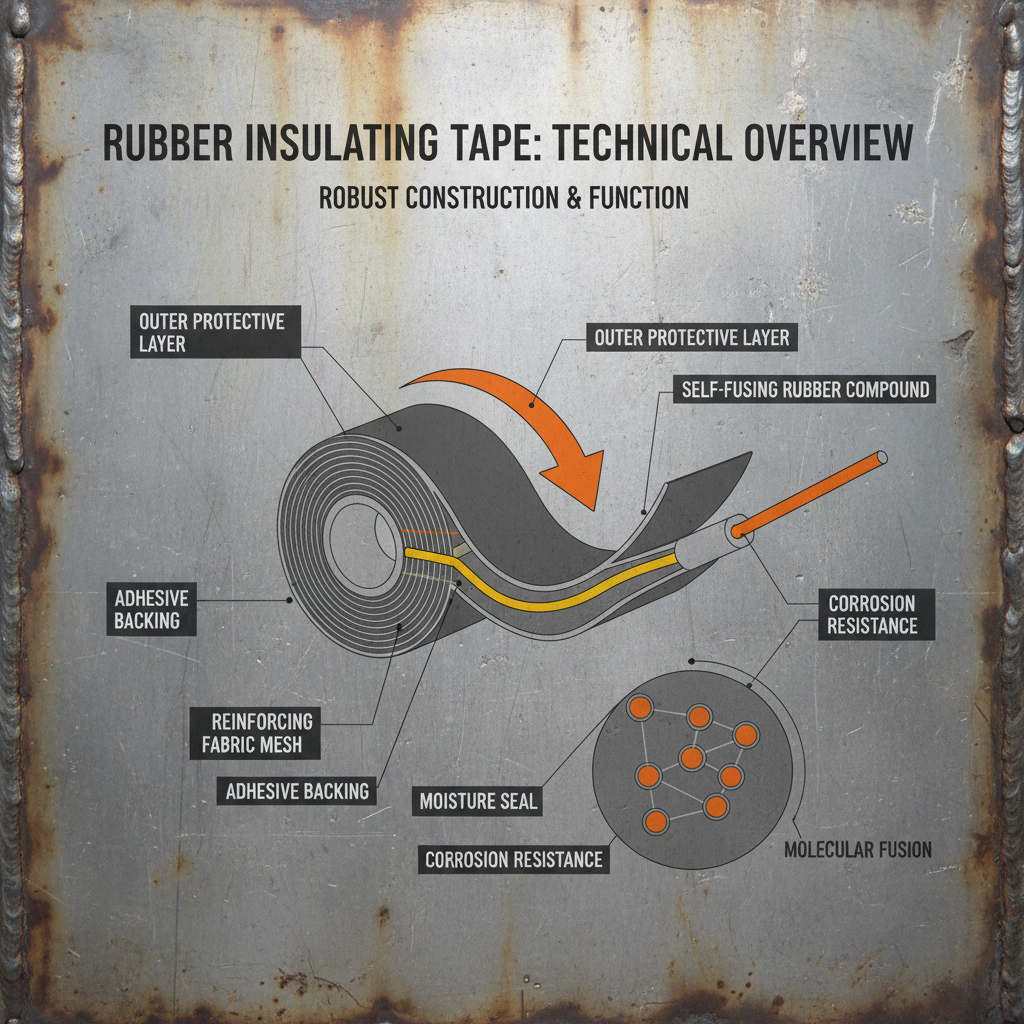
The adhesive is the other big component. Most are based on rubber resins, but the specific formulation makes all the difference. Some use acrylic adhesives, which are more resistant to UV light and temperature extremes. But they don’t always stick as well to rough surfaces. It’s a constant trade-off.
And the backing, again, is key. The polyester film needs to be strong enough to resist tearing but thin enough to conform to complex shapes. It's a surprisingly delicate balance. I saw one batch that was too stiff, and the guys were complaining they couldn’t get a tight wrap around cables. It was a nightmare.
Real-World Testing and Validation
Forget the lab tests. Those are fine for basic performance metrics, but they don't tell you how a tape will actually hold up in the real world. We do our testing on-site, under actual working conditions. We wrap cables, we expose them to heat, cold, moisture, and abrasion. We even deliberately try to damage the tape to see how it fails.
One of our favorite tests is the "toolbox test." We throw a roll of tape in a toolbox with a bunch of wrenches, screwdrivers, and other tools, and then shake it around for a few hours. If the tape survives that without getting crushed or unravelled, it's a good sign. I know it sounds ridiculous, but it works. It’s a quick way to assess its durability.
We also do a lot of “salt spray” testing. It's brutal. We expose the tape to a concentrated salt solution to see how well it resists corrosion. It’s especially important for outdoor applications. Anyway, I think that's more useful than any standardized test.
How Users Actually Use PVC Electrical Tape
You know, it's not always what you expect. We designed one tape specifically for splicing cables, thinking guys would be meticulously wrapping each connection. Turns out, most of them just slap a couple of layers on and call it a day. They’re not worried about making a perfect seal; they just want it to hold. It's about speed and convenience, frankly.
Another thing – a lot of electricians use tape to mark cables. Different colors for different circuits. They'll write on it with a marker, and then wrap it around the cable. It's a simple system, but it works. And it means the tape needs to be writable and durable enough to withstand abrasion.
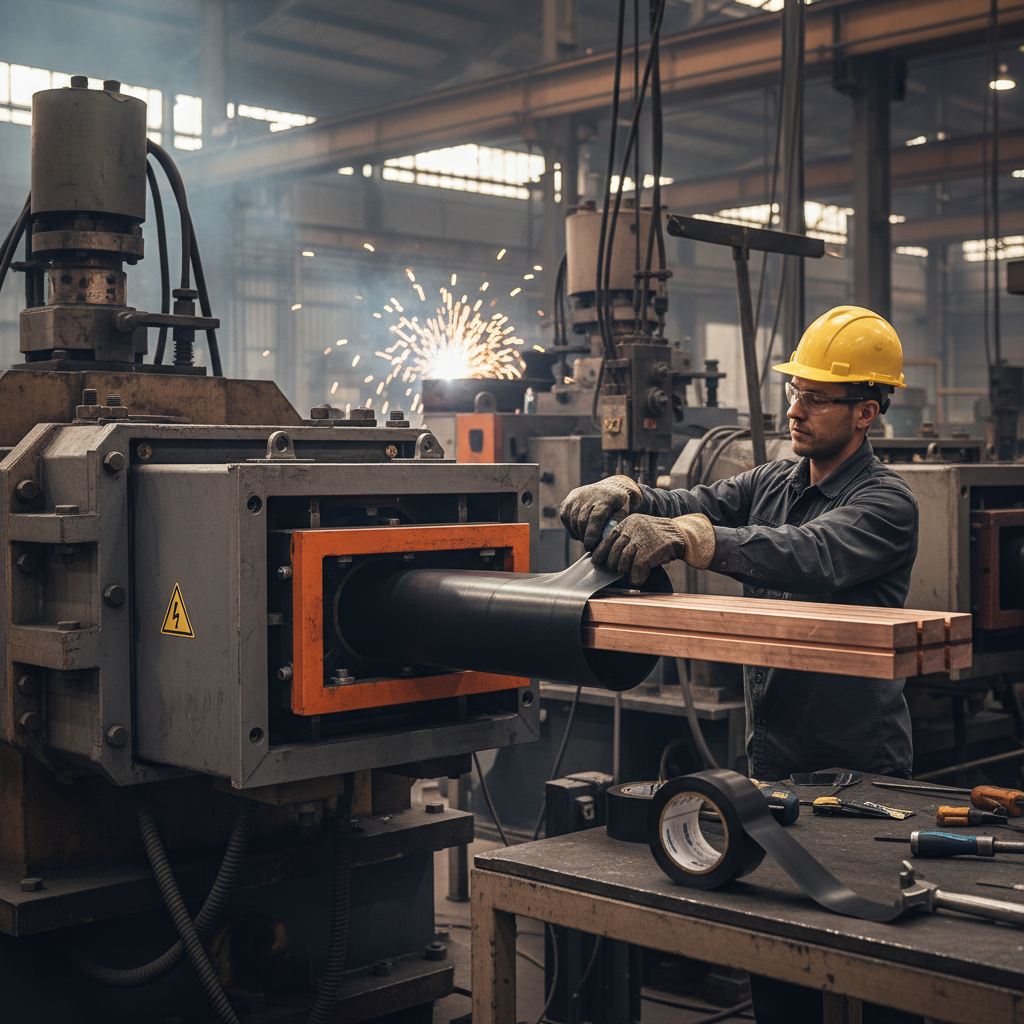
PVC Electrical Tape Usage Scenarios
Advantages, Disadvantages, and the Customization Game
The biggest advantage of PVC tape, plain and simple, is cost. You can get a good quality roll for a few bucks. It's reliable, it's readily available, and most electricians know how to use it. But, as we’ve discussed, it’s not perfect. It can get brittle in the cold, it’s not the most environmentally friendly material, and it’s not ideal for high-temperature applications.
Customization is where things get interesting. We had one customer, a solar panel manufacturer, who wanted a tape with a specific shade of yellow to match their branding. It wasn’t a standard color, so we had to tweak the pigment formulation. It took a few tries, but we eventually got it right. They were happy, and that’s what matters.
A Customer Story: The Debacle
Last month, that small boss in Shenzhen who makes smart home devices insisted on changing the interface to , and the result was a complete mess. He wanted a special tape to protect the tiny connector on the circuit board during assembly. He was convinced that a thinner, more flexible tape would be better. We warned him it wouldn’t provide enough abrasion resistance, but he wouldn't listen.
Two weeks later, he calls us up, furious. His yield rate had plummeted because the connectors were getting damaged during the assembly process. Turns out, the thinner tape just wasn’t strong enough to withstand the repeated handling. He ended up switching back to a thicker tape, and everything went back to normal. A costly lesson, but a lesson learned.
He's a smart guy, but sometimes, you have to trust the experience of the people who work with this stuff day in and day out. You can't just chase the latest trend.
Performance Metrics: A Field Engineer's View
We track a few key metrics on-site: tensile strength, elongation at break, dielectric strength, and flame retardancy. But honestly, those numbers don’t tell you the whole story. What really matters is how the tape feels in your hand, how easily it tears, and how well it sticks to different surfaces.
We also track failure rates. How often does the tape split or peel? How long does it last before it needs to be replaced? That's the data that really drives our decisions.
Here’s a rough comparison of a few tapes we’ve tested, based on our on-site observations:
Summary of Field Test Results for Common PVC Electrical Tapes
| Tape Brand |
Ease of Use (1-10) |
Durability (1-10) |
Adhesion (1-10) |
| Brand A |
8 |
7 |
6 |
| Brand B |
9 |
8 |
7 |
| Brand C |
6 |
9 |
5 |
| Brand D |
7 |
6 |
8 |
| Brand E |
5 |
5 |
4 |
| Brand F |
8 |
7 |
7 |
FAQS
We always tell guys to keep it in a cool, dry place, away from direct sunlight. A sealed container is best. And don’t store it near solvents or other chemicals, those can mess with the adhesive. Honestly, if it feels hard and brittle, it's probably too late. You're better off getting a fresh roll.
Goo Gone works pretty well, but be careful not to get it on anything you don't want to dissolve. Isopropyl alcohol is another option, but it can damage some plastics. I usually start with a plastic scraper to get the bulk of it off, then follow up with a solvent. It's messy, but it gets the job done.
It can handle some exposure, but it’s not ideal for long-term outdoor use. UV light will degrade the PVC over time, making it brittle and less effective. For outdoor applications, you’re better off with a tape specifically designed for outdoor use, like a vinyl electrical tape with UV inhibitors.
Vinyl tape is generally more flexible and has better resistance to abrasion and UV light than PVC tape. It's also a bit more expensive. PVC is a good all-around choice for most indoor applications, while vinyl is better suited for more demanding environments.
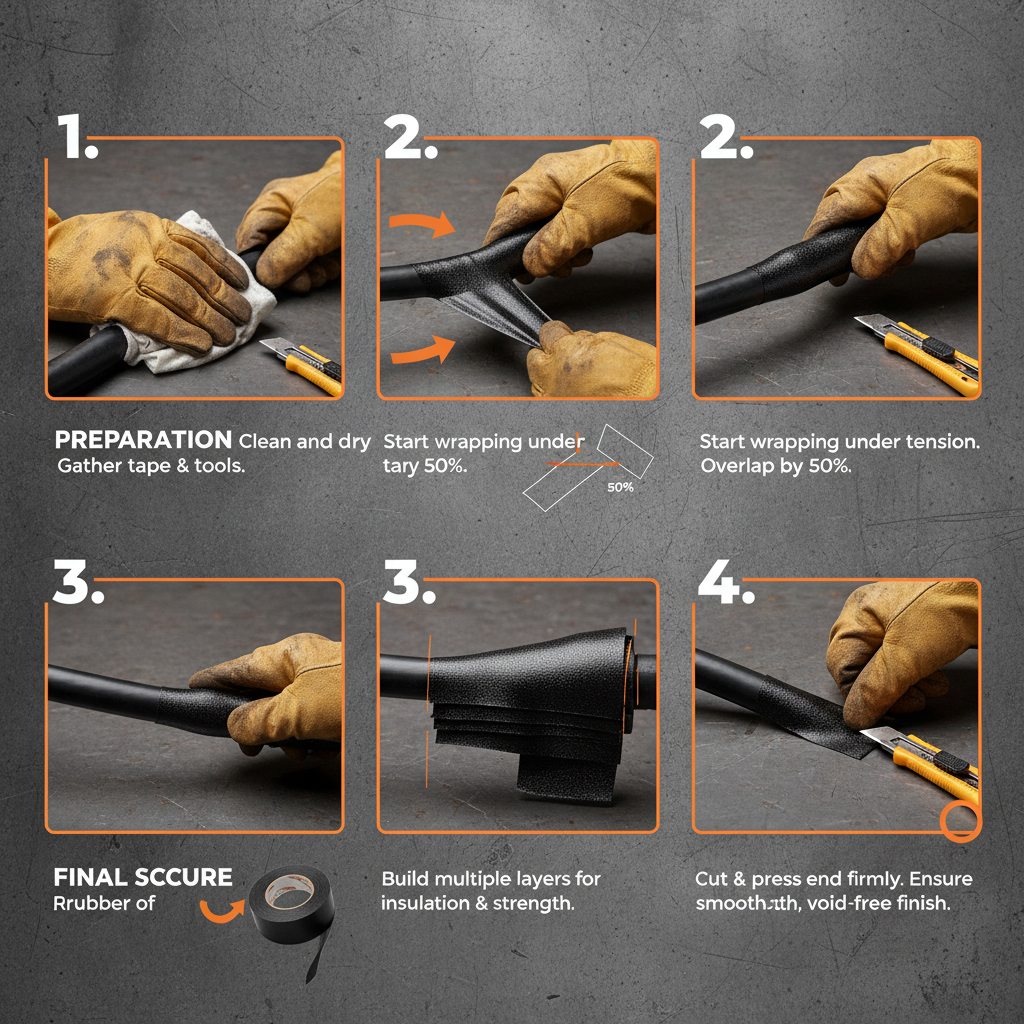
Absolutely. Overlapping layers provides better insulation and mechanical protection. Just make sure you’re staggering the overlaps so you don’t create a weak spot. A good rule of thumb is to overlap each layer by at least 50%. And don’t stretch the tape too tightly, it can cause it to lose its adhesion.
That usually means the tape is old or has been exposed to heat or sunlight. It’s time to replace it. A tacky adhesive won’t provide a reliable connection and can attract dirt and dust. Don't try to salvage it, just get a new roll. Trust me, it’s not worth the hassle.
Conclusion
Ultimately, all this talk about polymers and tensile strength comes down to one thing: will the tape hold up when you need it to? Will it protect the connection, prevent a short circuit, and keep everything running smoothly? That’s what matters. And that’s what we focus on.
So, next time you’re standing on a construction site, wrestling with cables, and reaching for a roll of tape, remember this: it’s not just about the specs on the packaging. It’s about the feel, the stickiness, and the confidence that it’ll do its job. Ultimately, whether this thing works or not, the worker will know the moment he tightens the screw.