Self fusing tape uses are becoming increasingly vital across diverse sectors, ranging from emergency repairs to sophisticated industrial applications. This versatile material offers a unique combination of strength, flexibility, and ease of use, making it an indispensable tool for professionals and individuals alike. Understanding its properties and potential applications is crucial for optimizing performance and ensuring safety in numerous scenarios. This article delves into the comprehensive world of self fusing tape, exploring its capabilities and benefits in detail.
The global demand for reliable and adaptable sealing and repair solutions is steadily rising, driven by factors such as increasing infrastructure development, a growing emphasis on preventative maintenance, and the frequency of natural disasters. Self fusing tape addresses these needs by providing a quick, efficient, and often cost-effective alternative to traditional methods. Its ability to create a watertight and airtight seal without adhesives makes it particularly valuable in challenging environments and emergency situations.
Ultimately, grasping the nuances of self fusing tape uses empowers users to leverage its full potential. From simple household fixes to critical industrial applications, its adaptability ensures lasting solutions. This understanding not only optimizes its effectiveness but also contributes to increased safety and sustainability, solidifying its importance in a rapidly evolving world.
Introduction to self fusing tape uses
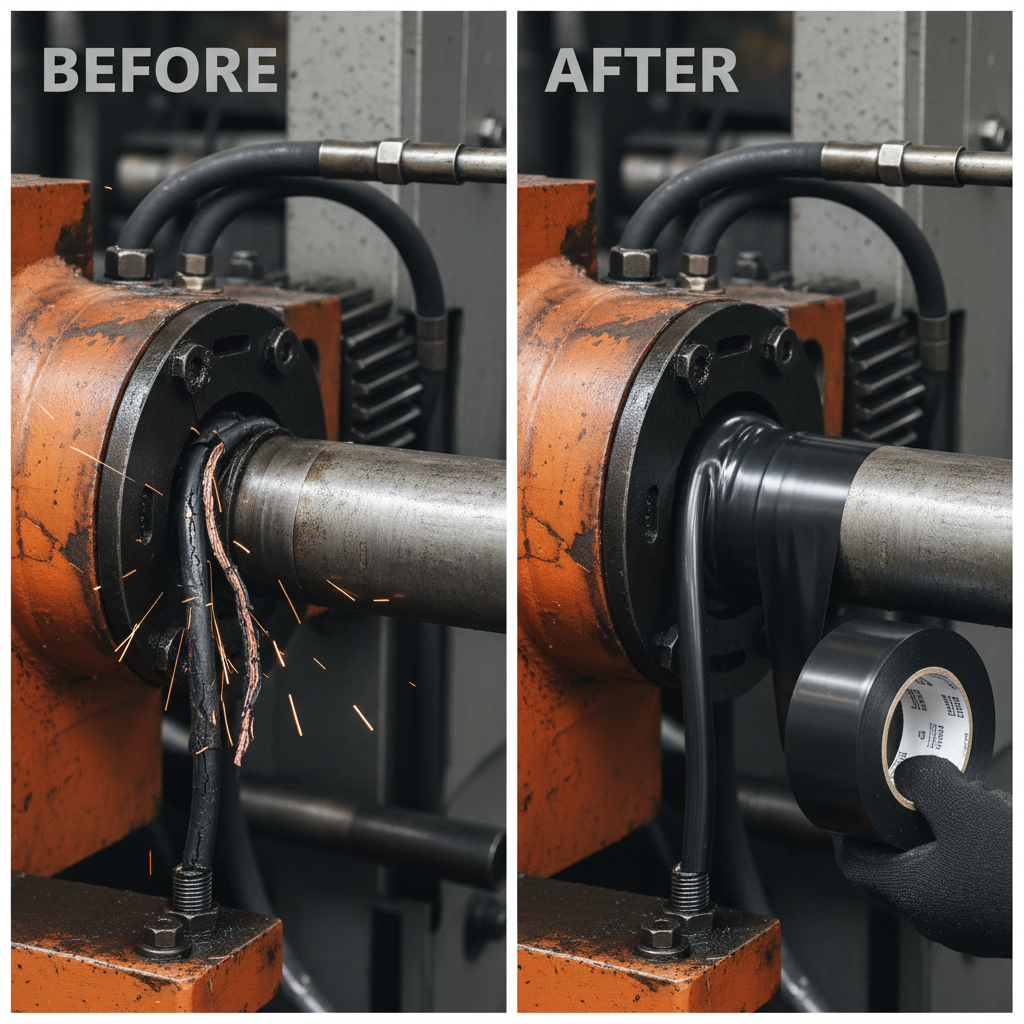
Self fusing tape, also known as silicone self-amalgamating tape, is a unique and versatile material that finds applications in a remarkably broad range of industries and scenarios. Its ability to bond to itself without the need for adhesives makes it an ideal solution for repairs, insulation, and sealing in environments where conventional methods are impractical or ineffective. self fusing tape uses for emergency repair are common.
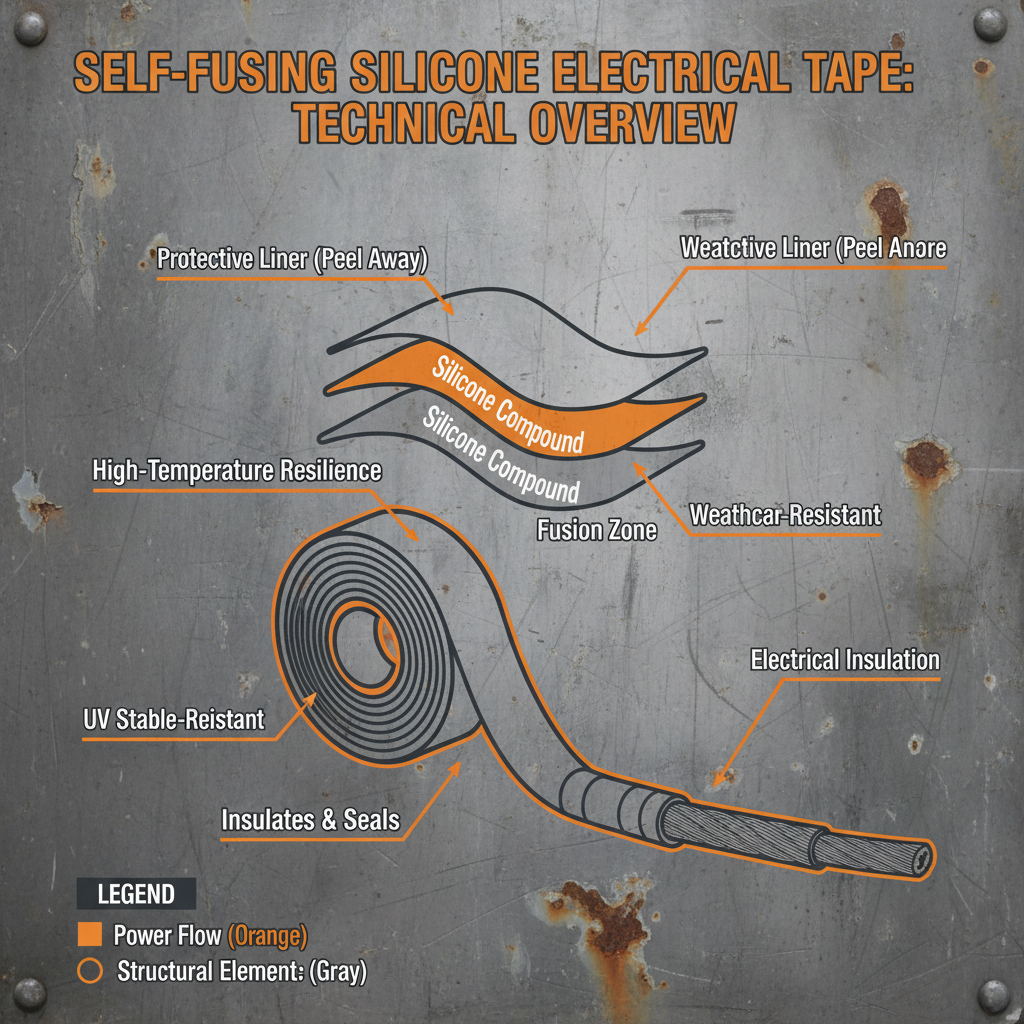
The key to its functionality lies in its inherent properties. The tape is composed of a silicone rubber compound that, when stretched and wrapped around a surface, creates a robust and watertight seal. This self-bonding characteristic eliminates the mess and curing time associated with traditional adhesives, making it a valuable asset in time-sensitive situations.
Defining Self Fusing Tape Uses
Self fusing tape uses are centered around its ability to create a strong, airtight, and watertight seal through a process of self-amalgamation. This means that when the tape is stretched and wrapped around an object or surface, it bonds to itself, forming a cohesive layer. Unlike traditional tapes that rely on adhesives, self fusing tape utilizes the inherent properties of its silicone rubber composition to achieve this bond.
This unique characteristic makes it particularly useful in applications where adhesives might fail or be unsuitable, such as in wet or oily environments, or when dealing with surfaces that are difficult to bond to. It's a cornerstone in various industries for securing connections, insulating components, and protecting against environmental factors.
Its connection to modern needs extends to industries focusing on reliability and quick response. Whether it's emergency repairs in automotive applications, sealing connections in marine environments, or insulating wires in electrical systems, self fusing tape offers a practical and dependable solution, reflecting the growing demand for materials that are easy to use and effective in challenging conditions.
Core Properties of Self Fusing Tape
Several core properties define the efficacy of self fusing tape uses. First, its elasticity is critical. The ability to stretch the tape without breaking allows for a tight wrap, facilitating the self-amalgamation process. Second, its temperature resistance is significant, enabling it to perform reliably in both hot and cold environments.
Third, its dielectric strength is an essential feature for electrical applications, providing effective insulation. Fourth, the material’s inherent resistance to chemicals, UV radiation, and water ensures longevity and performance in harsh conditions. These properties collectively contribute to the tape’s wide range of applications.
Finally, its non-adhesive nature simplifies application and removal, avoiding residue and making it reusable in some cases. The absence of adhesive also minimizes the risk of corrosion or damage to sensitive surfaces, further broadening the scope of self fusing tape uses.
Practical Applications and Performance
The practical performance of self fusing tape uses is remarkably diverse. In automotive repair, it’s used to seal hoses, repair wiring harnesses, and mend coolant leaks. In marine environments, it seals hydraulic lines, protects against corrosion, and provides emergency repairs on boat hulls. Its adaptability makes it invaluable for professionals in these fields.
Furthermore, its effectiveness in electrical applications is noteworthy. It can insulate wires and connections, provide protection against moisture and dust, and create a secure barrier for splices and terminals. The tape’s dielectric properties contribute to its reliability and safety in these sensitive areas.
Performance Ratings for Different self fusing tape uses
Global Applications of Self Fusing Tape
The global reach of self fusing tape uses is substantial. In remote industrial zones, where access to specialized repair equipment is limited, it serves as a vital tool for maintaining critical infrastructure. In post-disaster relief operations, it provides a rapid and reliable solution for repairing damaged pipes, sealing shelters, and insulating electrical connections. self fusing tape uses during a hurricane are essential.
Across Europe, it is commonly used in the automotive and aerospace industries for its ability to withstand extreme temperatures and provide durable sealing. In Asia, its demand is increasing in the electronics manufacturing sector, where it is employed for insulation and component protection. In North America, its versatility makes it a staple in marine maintenance and general repair applications.
Advantages and Long-Term Value
The advantages of utilizing self fusing tape uses extend beyond its immediate functionality. Cost-effectiveness is a key benefit, as it often eliminates the need for expensive specialized equipment or professional labor. Sustainability is also a factor, as its durability and reusability reduce waste compared to traditional disposable repair materials.
From a social impact perspective, its ease of use empowers individuals to perform repairs independently, fostering self-reliance and reducing dependence on external assistance. The inherent safety of the material – its non-adhesive properties and resistance to harsh chemicals – adds peace of mind for users across various applications.
Future Trends in Self Fusing Tape Technology
Future innovations in self fusing tape uses are likely to focus on enhancing its material properties and expanding its application range. Research is underway to develop tapes with even greater temperature resistance, chemical compatibility, and tensile strength. The integration of nanotechnology could lead to self-healing capabilities, further extending its lifespan and reducing maintenance requirements.
Furthermore, the development of biodegradable silicone compounds would address sustainability concerns and align with growing environmental awareness. The rise of automation and Industry 4.0 will likely lead to the integration of self fusing tape into robotic repair systems, further increasing its efficiency and precision.
Summary of Self Fusing Tape Uses - Analysis and Comparison
| Application Area |
Key Benefits |
Performance Rating (1-10) |
Future Development Potential |
| Automotive Repair |
Quick Fixes, Leak Sealing, Insulation |
8.5 |
Enhanced Temperature Resistance |
| Electrical Insulation |
Dielectric Strength, Moisture Protection |
9 |
Improved Conductivity |
| Marine Applications |
Corrosion Resistance, Watertight Sealing |
7.5 |
Enhanced UV Protection |
| Emergency Repairs |
Rapid Deployment, Versatile Application |
9.5 |
Self-Healing Capabilities |
| Industrial Sealing |
Chemical Resistance, High-Pressure Sealing |
8 |
Biodegradable Materials |
| Hydraulic System Repair |
Leak Prevention, Durable Seal |
7 |
Integration with Robotics |
FAQS
Self fusing tape offers superior sealing capabilities, particularly in wet or oily conditions, as it doesn't rely on adhesives. Its inherent properties provide a more robust and reliable insulation layer, resisting moisture and corrosion. Furthermore, it leaves no sticky residue, making maintenance and future repairs easier. This makes self fusing tape uses a superior choice for critical electrical applications where reliability is paramount.
Yes, one of the key benefits of self fusing tape uses is its versatility in adhering to a wide range of materials. It effectively bonds to metal, plastic, rubber, and even itself. This makes it ideal for various repair and sealing tasks where the surface material might present challenges for conventional adhesives. However, it's crucial to ensure the surface is clean and free of debris for optimal bonding.
Most self fusing tapes can reliably withstand temperatures ranging from -60°C to +260°C (-76°F to +500°F). However, specific temperature limits can vary depending on the grade and composition of the tape. It's essential to consult the manufacturer’s specifications to ensure the tape is suitable for the intended application and temperature exposure. This wide temperature tolerance is a core aspect of self fusing tape uses.
Yes, self fusing tape is inherently waterproof. When properly applied, it creates a watertight seal, making it suitable for underwater repairs and sealing applications. This property is particularly valuable in marine environments, plumbing repairs, and emergency situations involving water leaks. However, prolonged submersion at extreme depths might require additional protection depending on the application.
The longevity of a repair with self fusing tape uses depends on several factors, including the application environment, the quality of the application, and the nature of the damage. However, with proper application, a repair can often last for years, even in harsh conditions. The tape's resistance to UV radiation, chemicals, and temperature fluctuations contribute to its long-term durability.
Self fusing tape can generally be removed without leaving behind any sticky residue, unlike adhesive tapes. This simplifies maintenance and allows for easy reapplication if needed. However, the ease of removal can vary depending on the surface and the duration of application. Using a plastic tool or gentle heat can facilitate removal if necessary.
Conclusion
Self fusing tape uses represents a versatile and reliable solution across a broad spectrum of industries and applications. Its unique self-amalgamating properties, coupled with its resistance to extreme temperatures, chemicals, and moisture, make it an invaluable tool for repairs, sealing, and insulation. From emergency fixes to critical industrial maintenance, its adaptability and ease of use continue to drive its widespread adoption.
Looking ahead, ongoing innovations in materials science and nanotechnology promise to further enhance its performance and sustainability. By embracing these advancements, and recognizing the inherent benefits of this remarkable material, users can unlock new levels of efficiency, safety, and cost-effectiveness. Visit our website at www.qiangdatape.com to explore our comprehensive range of self fusing tapes and discover how they can address your specific needs.