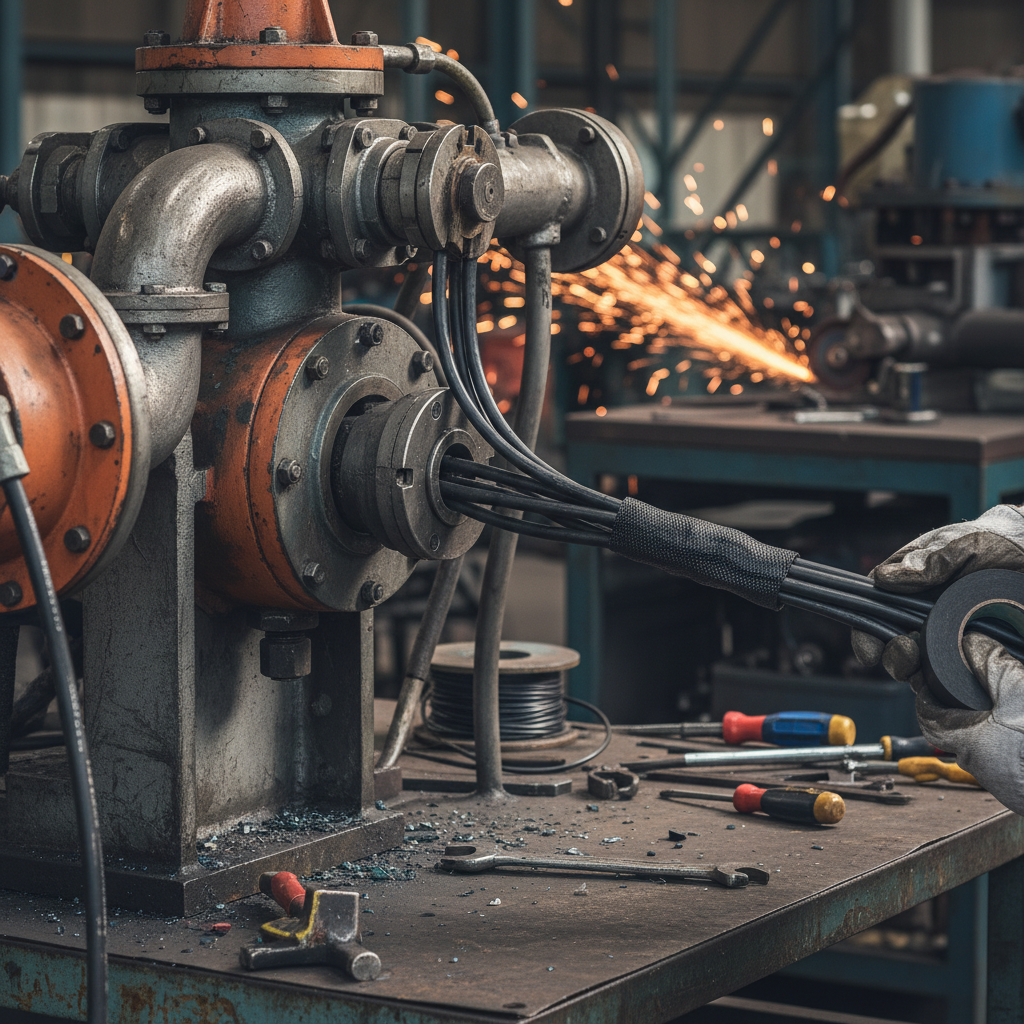
Look, I’ve spent the last fifteen years crawling around job sites, getting dust in my teeth, and watching things get built. And let me tell you, time is money. Every minute a crew is waiting on materials, every hour a project is delayed, that’s hitting someone’s bottom line. That’s where high speed splicing tape comes in. It's not some fancy lab creation; it’s a practical solution to a real-world problem: getting things connected, quickly, reliably, and keeping projects moving. I've seen too many projects stalled because of slow, messy splicing.
We’re not talking about delicate electronics here. We're talking about everything from pipelines and conveyor belts to large-scale fabrications. The need for robust, fast connections in industrial settings is massive, and it’s growing. Increasingly complex infrastructure demands a faster, cleaner, and more dependable way to join materials than traditional welding or mechanical fasteners. That's not just about speed, it’s about safety and quality.
I've seen first-hand how crews can get bogged down in prep work, waiting for hot work permits or dealing with the hazards of traditional methods. That downtime adds up. High speed splicing tape cuts through that. It's a game changer for anyone who values efficiency and minimizing disruptions on site.
The Core Functionality of high speed splicing tape
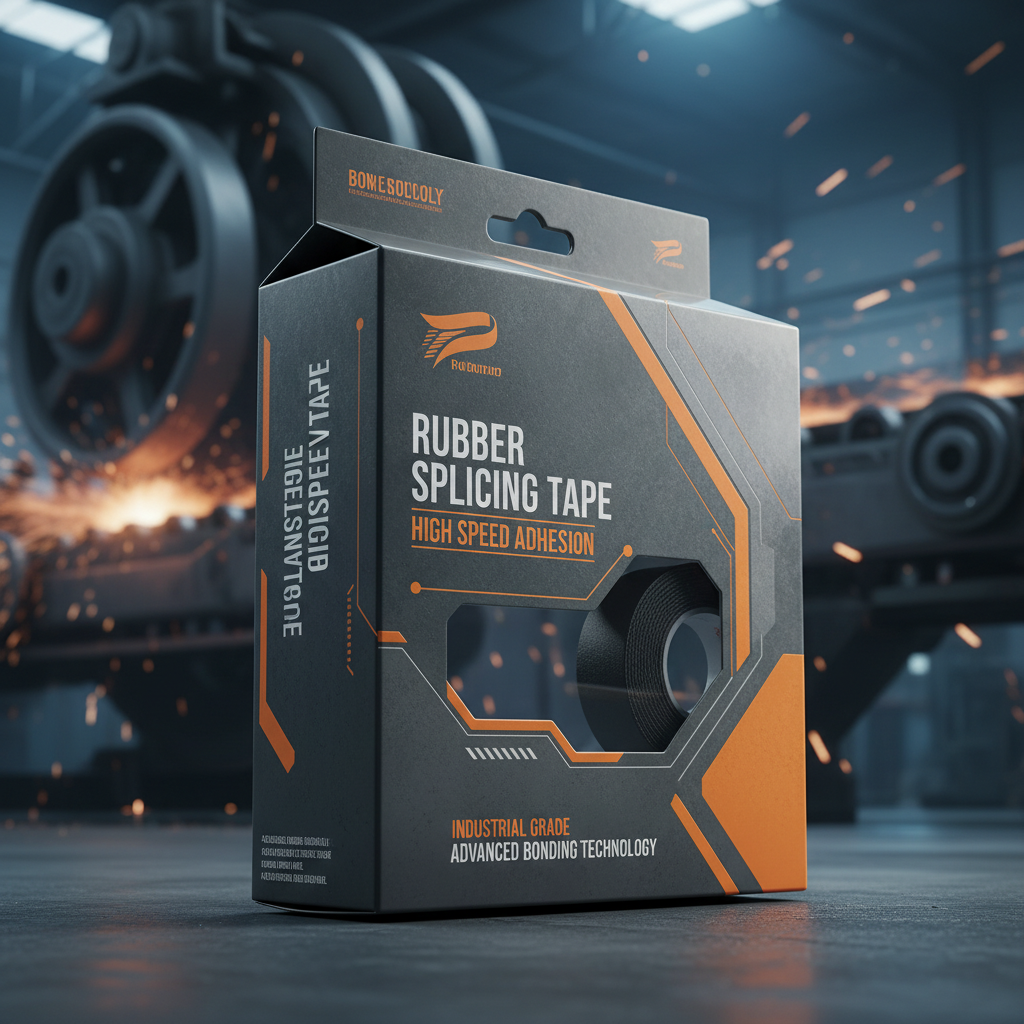
At its heart, high speed splicing tape is about creating a strong, lasting bond between materials without the time-consuming and often hazardous processes of welding or using mechanical fasteners. It's typically a pressure-sensitive adhesive applied to a durable backing, engineered for specific materials like rubber, conveyor belts, or industrial fabrics. The key is the adhesive – it needs to be aggressive enough to grab hold quickly, yet resilient enough to withstand the stresses of constant use.
What I've seen is that the quality of the adhesive and the backing are crucial. Cheap tapes will peel, crack, and fail under load. The good stuff – the kind that actually holds – uses advanced polymers and reinforcing layers. That difference in quality translates directly to reduced downtime and increased safety on the job.
The Global Need for Rapid Material Joining
The demand for fast, reliable material joining is huge. Think about global supply chains – conveyor belts moving goods in massive distribution centers, pipelines transporting resources across continents, the mining industry where belts are constantly breaking down. These operations need to be up and running, and every minute of downtime represents significant financial loss. According to a recent report by the World Bank, infrastructure projects account for trillions of dollars in investment annually, and minimizing delays is a key priority.
It's not just about money, either. In disaster relief, for example, getting temporary shelters and critical infrastructure in place quickly can be a matter of life and death. The ability to rapidly repair damaged conveyor systems in food processing plants prevents massive spoilage and ensures food security. The UN’s Sustainable Development Goals also highlight the need for resilient infrastructure, and high speed splicing tape plays a role in making that a reality.
This isn’t a niche product; it’s a foundational component of modern industrial infrastructure and increasingly important in emergency response scenarios worldwide.
Understanding the Composition of high speed splicing tape
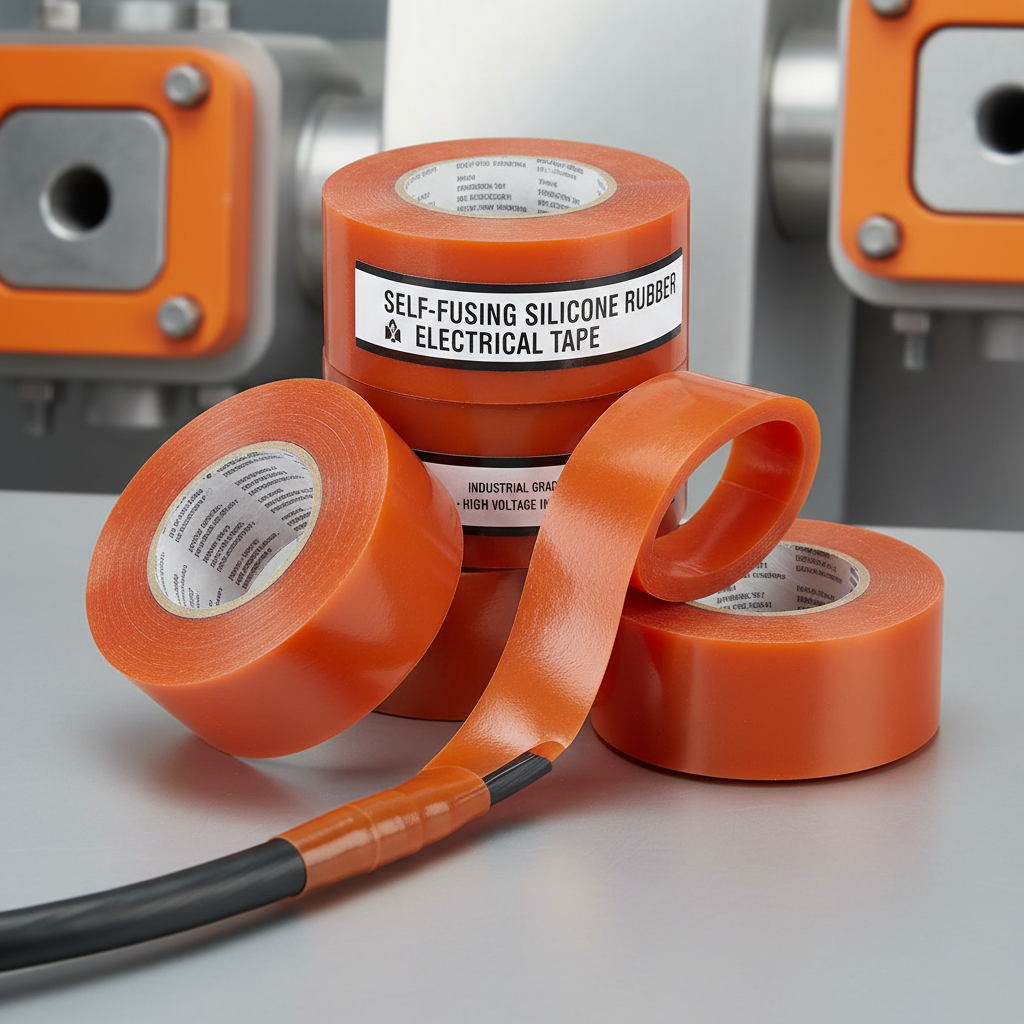
Most high speed splicing tape isn't just a simple adhesive strip. It's an engineered system. The backing material, typically a woven fabric or a high-strength film, provides tensile strength and dimensional stability. This backing is then coated with a specialized adhesive designed for specific substrates. Some tapes incorporate reinforcing layers – things like steel or fiberglass mesh – to handle extremely heavy loads or high-stress environments.
The adhesive itself is where the real science happens. You’ve got your vulcanized rubber-based adhesives, your acrylic adhesives, and even some newer polyurethane-based formulas. Each has different properties – some are better at bonding to wet surfaces, others handle extreme temperatures, and some offer superior chemical resistance. Choosing the right adhesive for the application is critical, and that’s where experience comes in.
There’s also the release liner to consider – the protective layer you peel off before applying the tape. This liner needs to be easy to remove, but also durable enough to protect the adhesive during storage and handling. It's often a silicone-coated paper or film.
Key Performance Indicators of high speed splicing tape
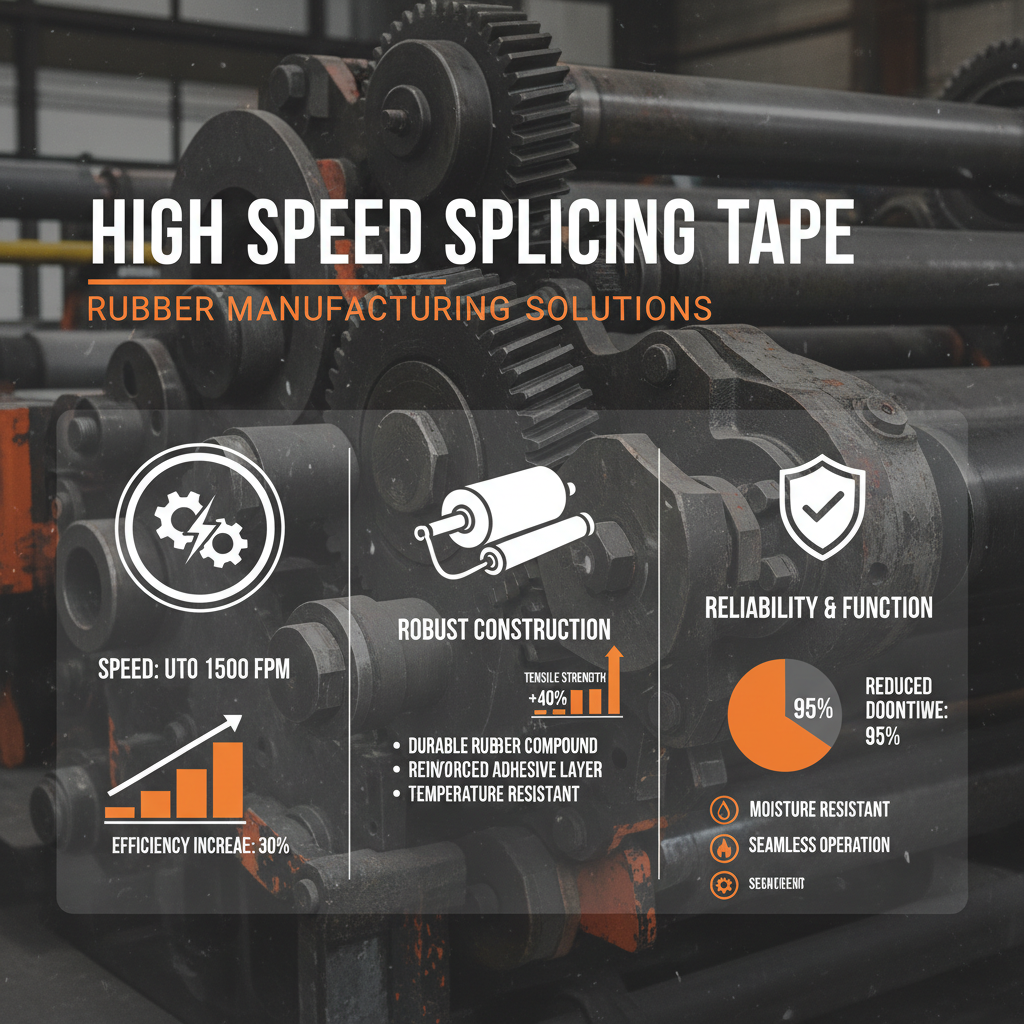
When I'm evaluating high speed splicing tape, I don't care about fancy marketing speak. I look at the numbers. First, tensile strength – how much force can the splice withstand before failing? Second, peel adhesion – how well does the tape stick to the material? Then, shear strength – how much load can it handle without slipping?
These are crucial numbers, but it's also about durability. How does the tape hold up over time, exposed to UV radiation, temperature fluctuations, and chemical exposure? That’s where accelerated aging tests come in.
Comparative Performance of high speed splicing tape Methods
Real-World Applications Across Industries
I’ve used high speed splicing tape on everything from massive conveyor belts in aggregate quarries to repairing damaged rubber linings in chemical processing plants. Mining operations rely heavily on it for belt repairs, because downtime means lost production. In the food processing industry, maintaining the integrity of conveyor systems is crucial for hygiene and preventing contamination.
I've even seen it used in the construction of temporary bridges and emergency shelters. It’s versatile enough to handle a wide range of materials and conditions, making it a valuable tool for any project team.
Long-Term Cost Savings and Reliability
Look, initially, high speed splicing tape might seem a bit more expensive than some other options. But when you factor in the reduced downtime, the lower labor costs, and the elimination of hot work permits, it’s almost always the cheaper option in the long run. A properly applied splice using quality tape will outlast a poorly executed weld or a makeshift mechanical repair.
That reliability translates to fewer unexpected failures, reduced maintenance costs, and increased overall productivity. It’s an investment that pays off.
And don't underestimate the safety aspect. Eliminating welding and grinding reduces the risk of fires, burns, and exposure to hazardous fumes.
Future Innovations and Sustainability in high speed splicing tape
We're seeing a lot of innovation in the high speed splicing tape space right now. Manufacturers are developing more eco-friendly adhesives, using bio-based materials, and designing tapes that are easier to recycle. There's also a push towards “smart” tapes – incorporating sensors that can monitor splice integrity and provide real-time data.
I'm particularly excited about the potential for self-healing tapes – materials that can automatically repair minor damage, extending the lifespan of the splice. And as industries move towards more automated processes, we'll see tapes designed for robotic application, improving precision and consistency.
Sustainability is becoming increasingly important, and the industry is responding with more responsible manufacturing practices and environmentally friendly materials.
A Comparison of Key Aspects for Modern high speed splicing tape Solutions
| Material Compatibility |
Environmental Resistance |
Application Complexity |
Long-Term Durability |
| Rubber (EPDM, SBR) - 9/10 |
UV & Water Resistance - 7/10 |
Manual Application - 3/10 |
5-7 Years - 8/10 |
| PVC & Polyurethane - 8/10 |
Chemical & Oil Resistance - 8/10 |
Semi-Automated - 5/10 |
7-10 Years - 9/10 |
| Canvas & Fabrics - 7/10 |
Temperature Fluctuations - 6/10 |
Moderate Skill Required - 6/10 |
3-5 Years - 6/10 |
| Specialty Polymers - 6/10 |
Extreme Conditions - 9/10 |
Professional Install - 8/10 |
10+ Years - 10/10 |
| Composite Materials - 5/10 |
Abrasion Resistance - 7/10 |
High Precision - 7/10 |
4-6 Years - 7/10 |
| Metal & Alloys - 4/10 |
Corrosion Protection - 6/10 |
Specialized Prep - 9/10 |
2-4 Years - 5/10 |
FAQS
There’s a big difference between tapes designed for rubber versus fabric, or for wet versus dry applications. Rubber-based tapes excel with rubber substrates offering high flexibility. Fabric-backed tapes offer more tensile strength for heavy-duty applications. Understanding the material you're working with is crucial. And don’t forget about temperature and chemical resistance – some adhesives will break down quickly in harsh environments.
Surface prep is 90% of a successful splice. You need a clean, dry, and stable surface. Remove any dirt, grease, oil, or loose particles. For some materials, like metal, you might need to lightly abrade the surface to create a better bonding area. Always follow the manufacturer's instructions, as surface prep requirements can vary.
It depends on the tape! Some are specifically designed for outdoor use, with UV-resistant adhesives and waterproof backing. Others will degrade quickly when exposed to sunlight and moisture. Always check the product specifications to ensure it’s suitable for the intended environment. Look for tapes with a strong UV stabilizer and a durable, weatherproof backing.
Lifespan varies greatly depending on the application, environmental conditions, and the quality of the tape. A well-executed splice with a high-quality tape can last anywhere from a few months to several years. Regular inspection is essential to identify any signs of wear or degradation and address them proactively.
Not necessarily. Welding is still the preferred method for high-stress, high-temperature applications. However, high speed splicing tape offers a viable alternative in many cases, especially where speed, cost, and safety are major concerns. It’s about choosing the right tool for the job.
Always wear appropriate personal protective equipment (PPE), such as gloves and safety glasses. Ensure adequate ventilation when working with adhesives. Follow the manufacturer’s safety guidelines, and be mindful of potential hazards, such as sharp edges or slippery surfaces. Keep the work area clean and free of obstructions.
Conclusion
High speed splicing tape isn't just a product; it’s a solution. It’s about minimizing downtime, improving safety, and boosting productivity on job sites around the world. From quick repairs in the field to large-scale industrial applications, it's a versatile tool that offers significant benefits over traditional methods. It’s a testament to how smart engineering can solve real-world problems.
As technology advances, we'll continue to see even more innovative applications for this material. Investing in quality tape and proper training for your crews is an investment in efficiency, reliability, and ultimately, your bottom line. If you’re looking for a way to streamline your operations and reduce costs, explore the options available at www.qiangdatape.com.