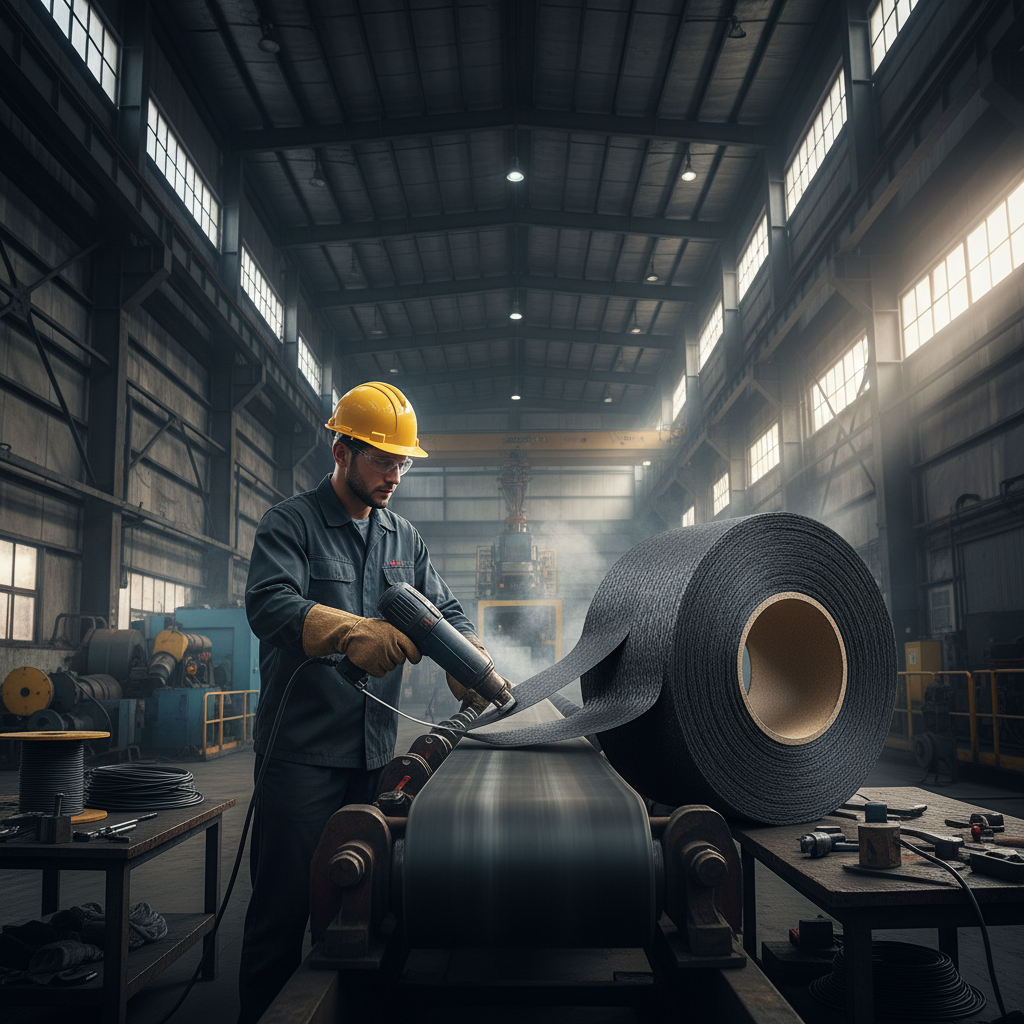
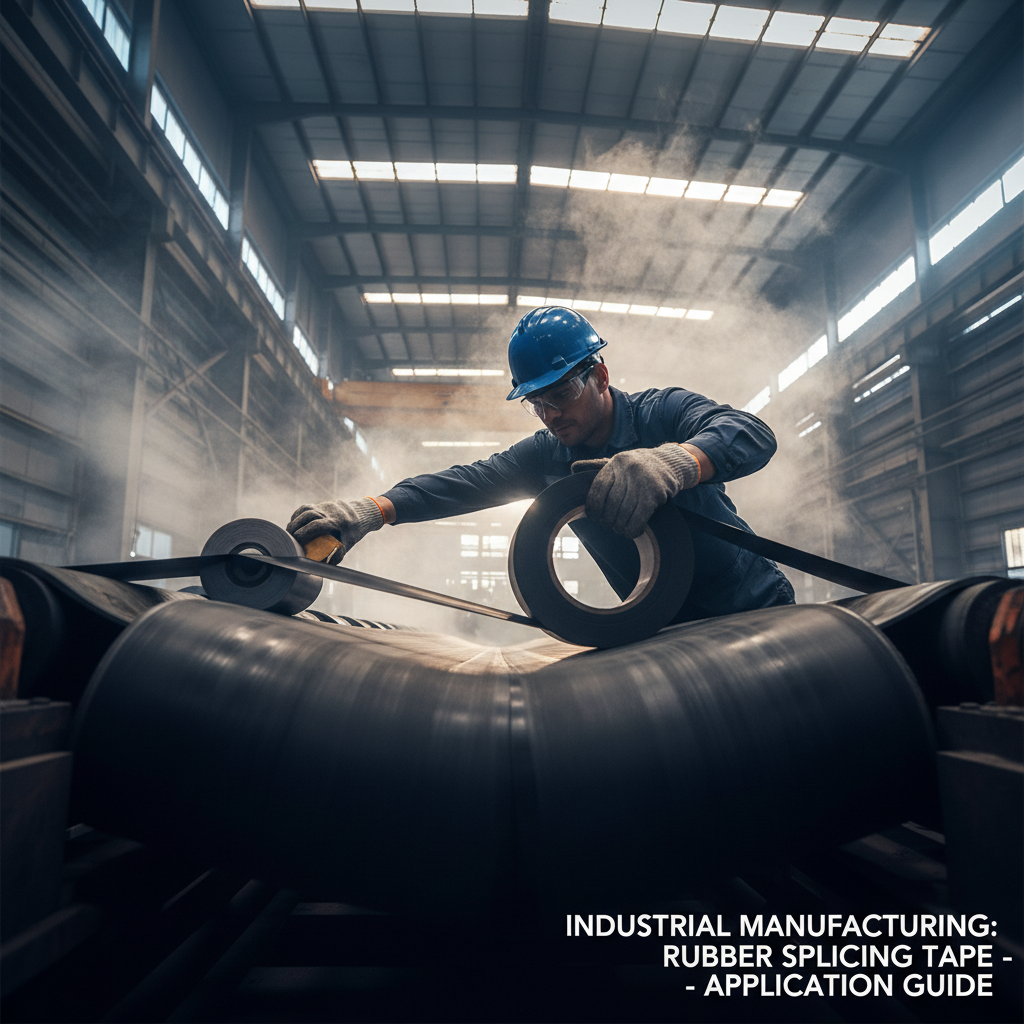
Rubber splicing tape how to use is a critical skill across numerous industries, from electrical maintenance and repair to automotive work and DIY projects. Its effectiveness lies in providing a quick, reliable, and often cost-effective method for joining and insulating electrical wires and cables. Understanding the nuances of its application ensures safety, longevity, and optimal performance of electrical connections.
The importance of knowing rubber splicing tape how to use extends beyond simply wrapping the tape around a connection. It involves proper surface preparation, correct layering techniques, and selecting the appropriate type of tape for the specific application. Improper application can lead to failures, short circuits, and even fire hazards, highlighting the need for comprehensive knowledge.
This guide will delve into the essential aspects of utilizing rubber splicing tape, covering everything from fundamental definitions to advanced application techniques, and ultimately empowering you to create secure and lasting electrical connections. Proper use contributes significantly to operational efficiency and minimizes downtime in critical systems.
Introduction to Rubber Splicing Tape
Rubber splicing tape is a fundamental component in ensuring safe and reliable electrical connections. Its versatility makes it indispensable for electricians, technicians, and even homeowners undertaking electrical projects. Proper application of this tape is not simply a matter of convenience; it's a matter of safety and preventing costly repairs.
The correct use of rubber splicing tape contributes to the overall integrity of electrical systems, minimizing the risk of shorts, fires, and power disruptions. By understanding the materials, techniques, and best practices, users can maximize the lifespan and performance of their electrical connections.
Defining Rubber Splicing Tape
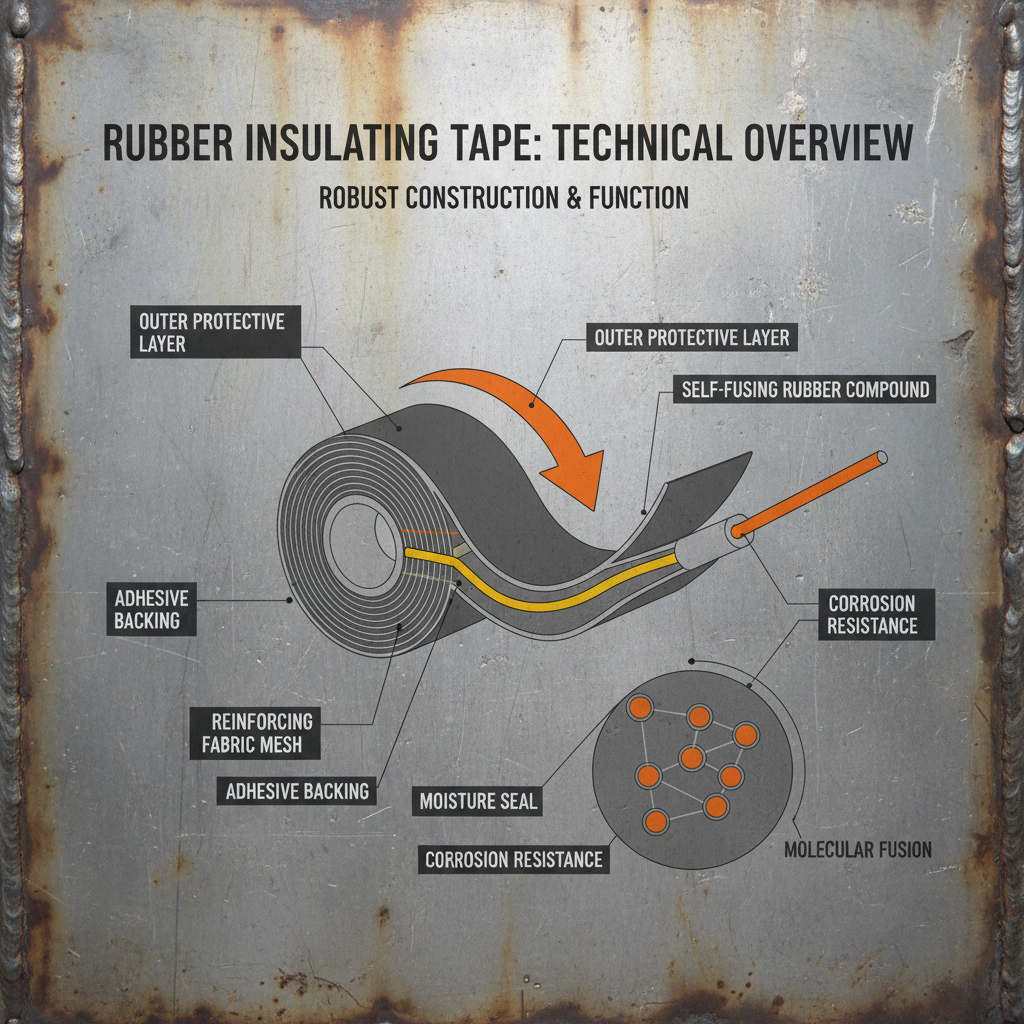
Rubber splicing tape is an adhesive-backed, non-conductive material designed to provide electrical insulation and mechanical protection for wire splices and connections. Typically composed of a rubber-based adhesive and a protective backing (often vinyl or a similar polymer), it conforms readily to irregular shapes, creating a watertight and airtight seal.
Unlike traditional electrical tape, rubber splicing tape is self-amalgamating, meaning that when wrapped tightly around itself, the layers fuse together, forming a continuous, rubbery seal. This characteristic makes it particularly effective in environments exposed to moisture, chemicals, and extreme temperatures.
Its widespread adoption is a direct response to the need for durable, reliable insulation in a world increasingly reliant on electrical power. Modern variations often include enhanced features like UV resistance and improved adhesion properties, making it suitable for even more demanding applications.
Key Properties of Effective Rubber Splicing Tape
Several key properties define the effectiveness of rubber splicing tape. First, its dielectric strength – its ability to resist electrical breakdown – is paramount. Higher dielectric strength ensures superior insulation and reduces the risk of short circuits. The tape's tensile strength also plays a crucial role, determining its resistance to tearing and damage during and after application.
Another vital aspect is the tape’s conformability. A good rubber splicing tape should easily stretch and mold to irregular shapes, ensuring complete coverage and a tight seal. The adhesive quality is equally important; it must provide a strong, lasting bond to the wire insulation without leaving a sticky residue. Finally, its resistance to environmental factors like moisture, temperature fluctuations, and UV exposure are vital for long-term performance.
Understanding these properties allows for informed selection based on the specific application. For instance, outdoor applications require tapes with enhanced UV resistance, while high-voltage connections demand materials with superior dielectric strength. Ultimately, these characteristics contribute to a safer and more reliable electrical system.
Global Applications of Rubber Splicing Tape
Rubber splicing tape finds extensive use across a diverse range of industries globally. In the power generation and distribution sector, it’s critical for insulating cable joints and terminations in substations and power plants. The automotive industry relies on it for wiring harness repairs and insulation in vehicle electrical systems.
Its application extends to telecommunications, where it safeguards cable connections in underground and aerial installations. In marine environments, its water-resistant properties make it ideal for protecting electrical wiring on boats and ships. In remote industrial zones, where specialized electrical expertise is limited, it serves as a vital tool for on-site repairs and maintenance.
Even in post-disaster relief operations, rubber splicing tape proves invaluable for quickly restoring power to critical infrastructure and providing temporary electrical connections. Its ease of use and reliability make it an essential resource in emergency situations.
Rubber Splicing Tape Application Ratings
Advantages and Long-Term Value
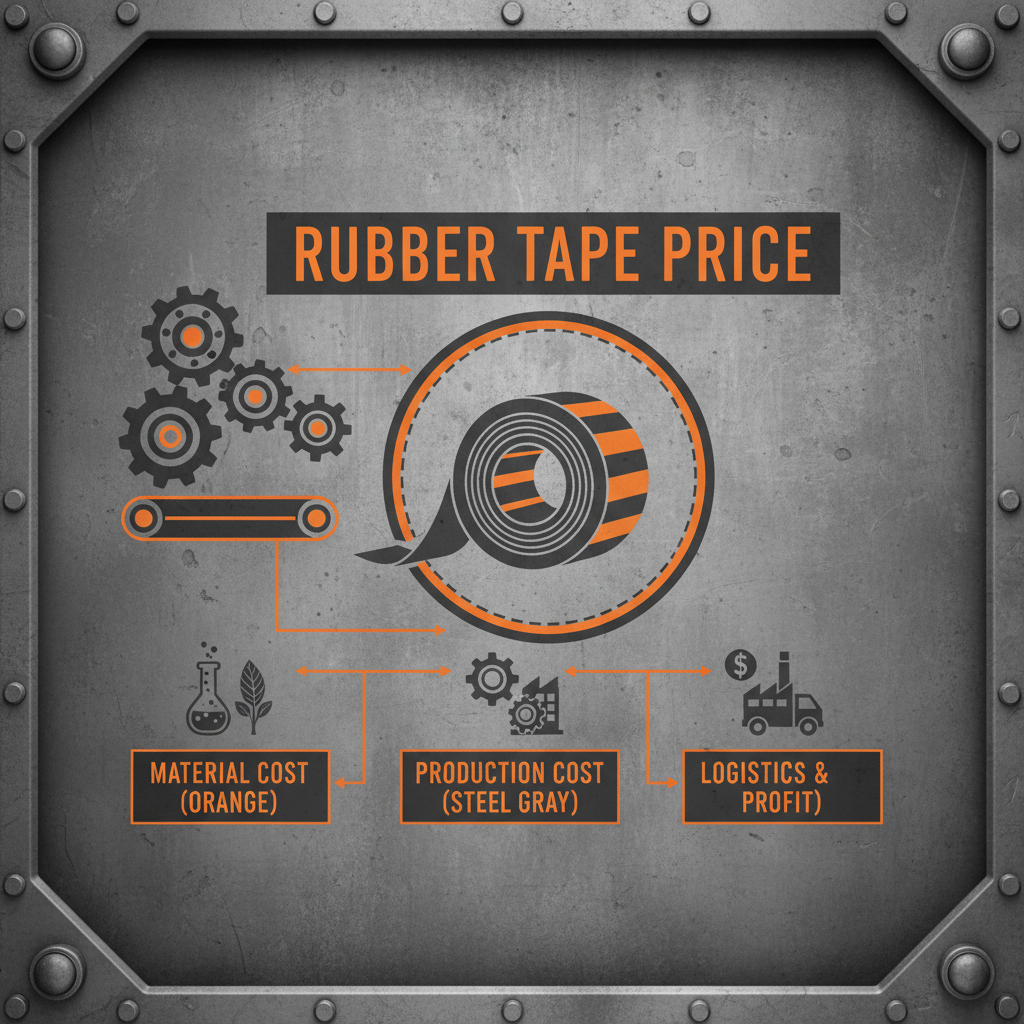
The advantages of using rubber splicing tape extend far beyond its immediate insulating properties. Cost-effectiveness is a significant benefit; it often provides a more economical solution than alternative methods like crimping or soldering, particularly for temporary repairs or low-voltage applications. Its ease of application reduces labor costs and minimizes downtime.
Sustainability is another compelling advantage. Rubber splicing tape typically has a long lifespan, reducing the need for frequent replacements. The self-amalgamating properties create a robust, long-lasting seal, enhancing the overall reliability of the electrical connection and contributing to a reduction in waste.
Future Trends in Electrical Insulation
The field of electrical insulation is constantly evolving, with ongoing research focused on developing more sustainable and high-performance materials. We are seeing increasing interest in bio-based and biodegradable alternatives to traditional rubber splicing tapes, addressing environmental concerns and promoting circular economy principles.
Digitalization and smart materials are also playing a role, with the development of tapes that incorporate sensors to monitor connection integrity and detect potential failures before they occur. These “smart tapes” could revolutionize preventative maintenance and enhance the safety of electrical systems.
Common Challenges and Solutions
A common challenge is ensuring proper surface preparation before applying the tape. Dirt, grease, and moisture can significantly reduce adhesion and compromise the integrity of the seal. Thorough cleaning with a suitable solvent is crucial. Another challenge is achieving the correct wrapping tension; too little tension results in air pockets, while too much can stretch the tape excessively and weaken it.
To mitigate these issues, it’s recommended to follow manufacturer guidelines carefully and utilize appropriate application tools. Training programs and certification courses can also equip technicians with the knowledge and skills necessary to apply rubber splicing tape effectively and safely. Careful selection of tape based on the environmental conditions is also critical.
Finally, regular inspection and maintenance of taped connections are essential to identify and address any signs of deterioration or damage before they lead to failures.
Analysis of Rubber Splicing Tape Application Factors
| Application Environment |
Tape Type |
Skill Level Required |
Long-Term Reliability (1-10) |
| Dry Indoor |
Standard Rubber Splicing Tape |
Beginner |
8 |
| High Humidity |
Water-Resistant Rubber Splicing Tape |
Intermediate |
9 |
| Outdoor, Direct Sunlight |
UV-Resistant Rubber Splicing Tape |
Intermediate |
7 |
| High Voltage Application |
High-Dielectric Strength Rubber Splicing Tape |
Advanced |
10 |
| Automotive Environment |
Flexible Rubber Splicing Tape |
Beginner |
7 |
| Chemical Exposure |
Chemical-Resistant Rubber Splicing Tape |
Intermediate |
8 |
FAQS
The key to successful application involves preparing the surface by cleaning it thoroughly, then stretching the tape to approximately 50-100% of its original length as you wrap it tightly and overlapping each layer by at least 50%. This ensures a complete, self-amalgamating seal. Avoid wrinkles and air pockets for optimal insulation.
While rubber splicing tape provides good insulation, it’s crucial to select a tape specifically rated for the voltage level of the application. Standard tapes aren’t suitable for high-voltage scenarios and require a tape with a significantly higher dielectric strength. Always consult the manufacturer's specifications.
The longevity of a connection depends heavily on the environment and application. With proper application and in favorable conditions, a well-made connection can last for several years. However, exposure to extreme temperatures, UV radiation, or harsh chemicals can shorten its lifespan. Regular inspections are recommended.
Rubber splicing tape is self-amalgamating, meaning the layers fuse together to create a waterproof seal, making it more robust and ideal for harsh environments. Electrical tape relies on adhesion and doesn't offer the same level of environmental protection. Rubber splicing tape also generally offers better resistance to temperature variations.
While rubber splicing tape offers excellent moisture resistance, it's not generally recommended for prolonged, fully submerged underwater applications without additional protection. Specialized marine-grade tapes are available that provide superior waterproofing and corrosion resistance for these conditions.
Rubber splicing tape should be stored in a cool, dry place away from direct sunlight and extreme temperatures. Proper storage helps prevent the adhesive from degrading and maintains the tape’s flexibility and adhesion properties. Avoid storing it near solvents or chemicals that could damage the material.
Conclusion
In conclusion, mastering rubber splicing tape how to use is paramount for anyone working with electrical systems. From its core properties of self-amalgamation and dielectric strength to its diverse applications across industries, this material provides a cost-effective, reliable, and versatile solution for electrical insulation. Understanding proper application techniques, material selection, and environmental considerations is vital for ensuring long-term performance and safety.
Looking ahead, innovations in sustainable materials and smart technologies promise to further enhance the capabilities of electrical insulation. By staying informed about these advancements and prioritizing best practices, we can continue to leverage the benefits of rubber splicing tape while minimizing environmental impact and maximizing the reliability of our electrical infrastructure. For more information and to explore our range of high-quality rubber splicing tapes, visit our website: www.qiangdatape.com