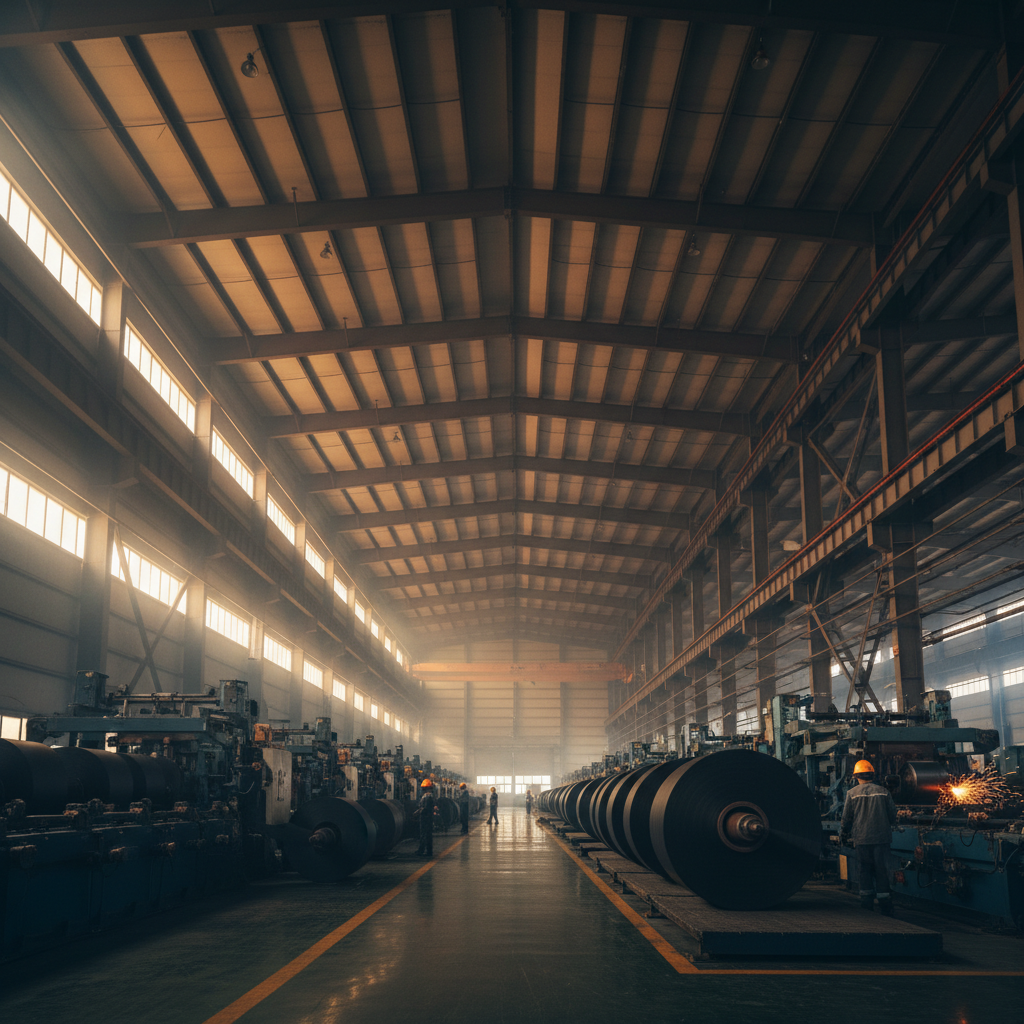
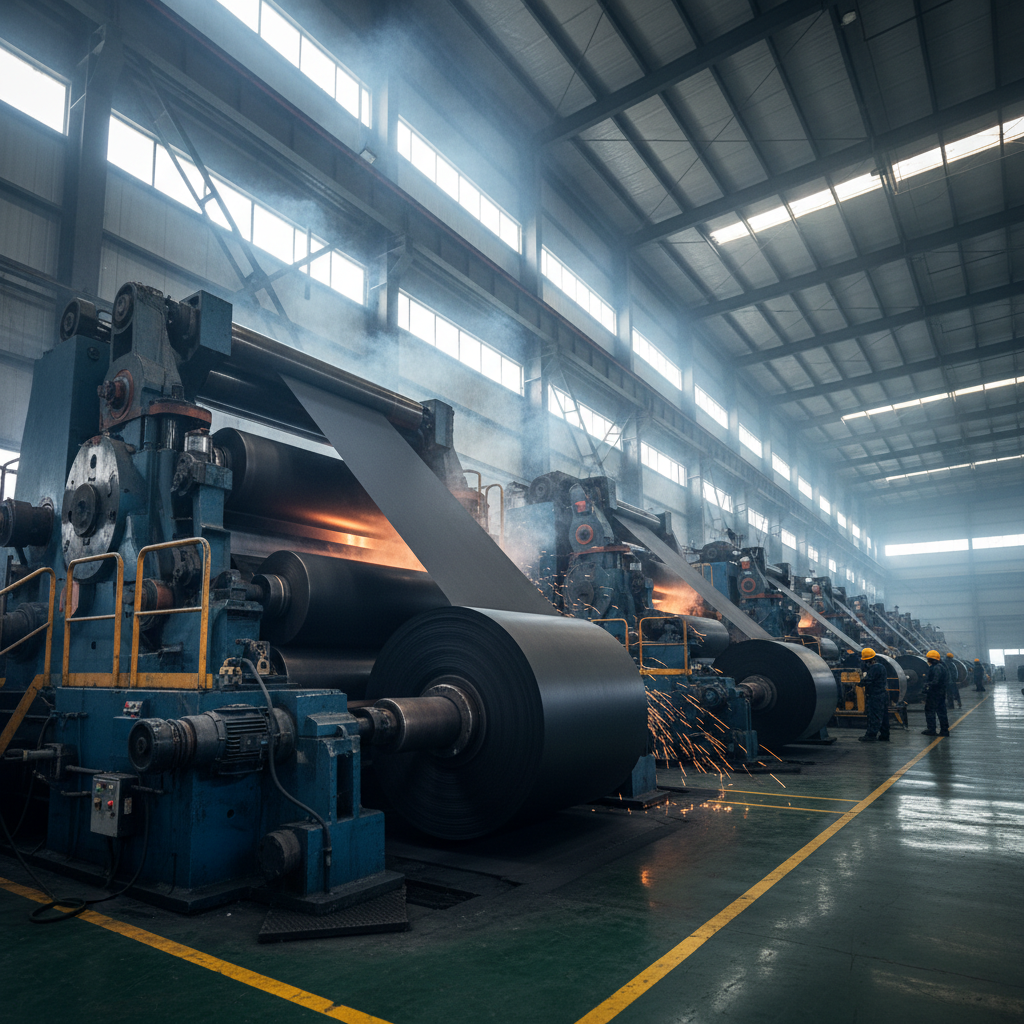
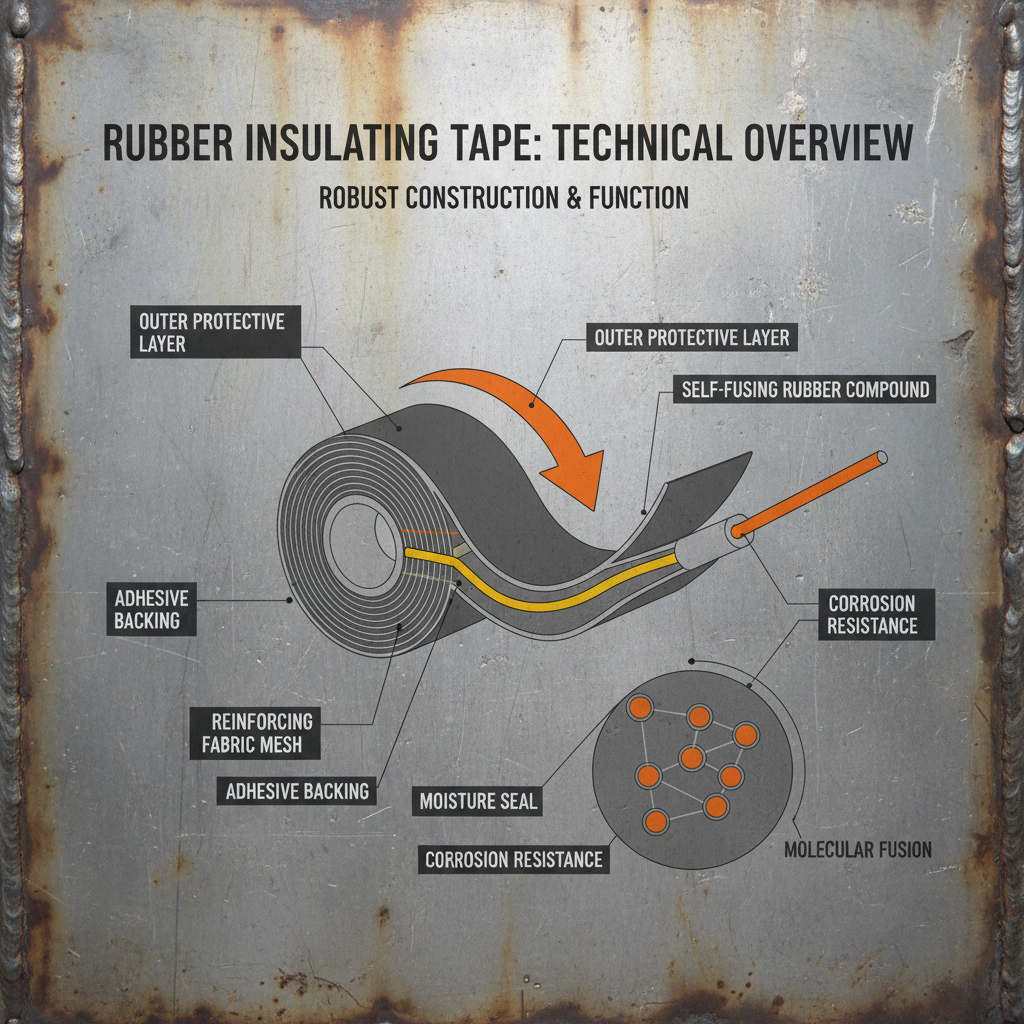
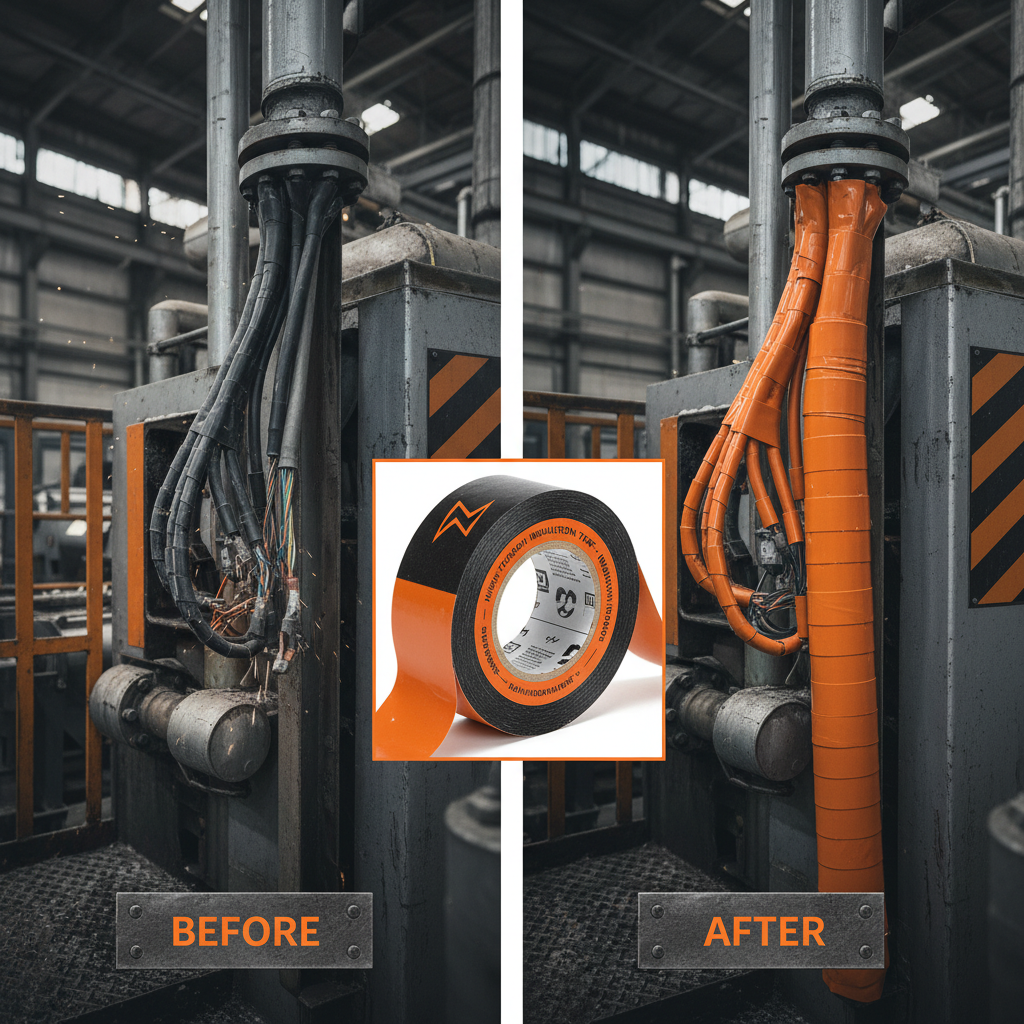
Rubber tape factory solutions are becoming increasingly vital across diverse industries, driven by a need for reliable sealing, protection, and insulation. From automotive and construction to electronics and aerospace, the demand for high-quality rubber tape is consistently growing. A robust rubber tape factory, equipped with modern technology and skilled personnel, is essential to meet these demands and maintain product integrity across numerous applications. Understanding the capabilities and nuances of these facilities allows businesses to optimize their supply chains and ensure the consistent availability of crucial components.
The global landscape for rubber tape is competitive, with key manufacturing hubs located in Asia, Europe, and North America. Market growth is fueled by increasing industrialization, infrastructure development, and the expanding use of rubber tape in consumer goods. However, challenges remain, including fluctuations in raw material prices, stringent quality control requirements, and the need for sustainable manufacturing practices. A dependable rubber tape factory can navigate these complexities, offering customized solutions and consistent performance.
Investing in a strategically positioned and technologically advanced rubber tape factory isn’t merely about production volume; it’s about securing a critical link in the supply chain, fostering innovation in material science, and contributing to the overall economic growth of supporting industries. This importance extends from simple household repairs to complex industrial applications, underscoring the far-reaching impact of a proficient rubber tape manufacturer.
The Importance of Rubber Tape Factories
A dedicated rubber tape factory plays a pivotal role in ensuring the consistent supply of essential materials for a wide range of industries. These factories aren’t simply production centers; they represent a commitment to quality, innovation, and responsiveness to market demands. The efficiency of a rubber tape factory directly impacts the reliability and performance of countless products, from automotive components to electrical insulation.
The sophistication of modern rubber tape factories extends beyond basic manufacturing. They often integrate advanced material science, quality control procedures, and custom formulation capabilities to meet the specific requirements of diverse clients. Investing in these facilities drives economic growth and supports downstream industries by providing a stable source of critical materials.
Global Context and Industry Relevance
The demand for rubber tape is intrinsically linked to global industrial output and infrastructure development. According to reports from the World Bank, emerging economies are experiencing rapid growth in manufacturing and construction, which directly translates to increased demand for sealing, insulation, and protective materials – all areas where rubber tape excels. This growth is particularly pronounced in sectors such as automotive, electronics, and renewable energy.
The ISO 9001 standard for quality management systems is widely adopted by leading rubber tape factories, demonstrating a commitment to consistent product quality and customer satisfaction. Furthermore, adherence to environmental regulations, such as those set by the United Nations Environment Programme, is increasingly important for maintaining a sustainable and responsible supply chain.
The current global supply chain disruptions have highlighted the critical need for resilient and diversified sourcing strategies. Companies are actively seeking reliable rubber tape factory partners who can guarantee timely delivery and consistent quality, even in the face of unforeseen challenges.
Defining Rubber Tape Factories
A rubber tape factory is a specialized manufacturing facility dedicated to the production of adhesive-backed or non-adhesive rubber tapes. These tapes are typically made from various elastomers, including natural rubber, synthetic rubber (such as neoprene, EPDM, and silicone), and their blends. The manufacturing process involves compounding, calendering, coating, slitting, and packaging.
These factories often cater to a diverse range of industries, necessitating a flexible manufacturing setup capable of producing tapes with varying properties – such as temperature resistance, chemical resistance, electrical conductivity, and adhesion strength. The scale of a rubber tape factory can range from small, specialized operations to large-scale industrial plants.
The core function of a rubber tape factory extends beyond simply creating a product; it’s about providing solutions. Whether it’s sealing joints in automotive assemblies, insulating electrical wires, or protecting sensitive surfaces during manufacturing, the tape produced must meet precise performance criteria, making expertise and quality control paramount.
Key Factors in Rubber Tape Factory Excellence
Durability is a paramount factor. High-quality rubber tape must withstand environmental stressors, abrasion, and prolonged use without losing its adhesive properties or structural integrity. Scalability is also vital, allowing the rubber tape factory to adapt to fluctuating demand and fulfill large-volume orders efficiently.
Cost-efficiency is a critical consideration for businesses. Factories that optimize their manufacturing processes, leverage economies of scale, and source raw materials strategically can offer competitive pricing without compromising quality. Equally important is consistent quality control, ensuring that every batch of tape meets stringent specifications and performance standards.
Rubber Tape Factory Performance Metrics
Global Applications and Use Cases
Rubber tape finds widespread application in the automotive industry, used for sealing, masking, and protecting components during assembly and painting processes. In the construction sector, it’s crucial for weatherproofing, joint sealing, and insulation. Furthermore, it's extensively used in the electronics industry for insulation, wire harnessing, and component protection.
In post-disaster relief operations, durable rubber tape is invaluable for temporary repairs, sealing shelters, and securing vital supplies. In remote industrial zones, where access to specialized materials is limited, a reliable supply of rubber tape can be critical for maintaining essential infrastructure and equipment.
Advantages and Long-Term Value Proposition
Investing in high-quality rubber tape from a reputable rubber tape factory translates to significant cost savings over the long term. Reduced downtime, fewer product failures, and extended equipment lifespan all contribute to a lower total cost of ownership. Moreover, the enhanced reliability and performance of products utilizing quality rubber tape build customer trust and brand reputation.
Sustainable manufacturing practices employed by leading factories minimize environmental impact, aligning with growing consumer demand for eco-friendly products. The safety benefits of well-designed and properly applied rubber tape, particularly in electrical and automotive applications, are immeasurable, protecting both workers and end-users.
Future Trends and Innovations in Rubber Tape Manufacturing
The development of bio-based and biodegradable rubber compounds represents a significant trend, driven by a growing emphasis on sustainability. Advances in adhesive technology are leading to stronger, more durable, and temperature-resistant tapes. Digitalization and automation are transforming manufacturing processes, enabling greater precision, efficiency, and customization.
Integration with Industry 4.0 principles – including data analytics, machine learning, and IoT connectivity – allows rubber tape factory to optimize production, predict maintenance needs, and respond quickly to changing market demands. The exploration of nanomaterials and advanced polymer blends promises to unlock new functionalities and performance characteristics.
The future of rubber tape lies in the convergence of material science, advanced manufacturing techniques, and a commitment to environmental responsibility, creating products that are not only functional but also sustainable and aligned with the needs of a rapidly evolving world.
FAQS
When selecting a rubber tape factory, prioritize factors like product quality certifications (ISO 9001), production capacity, customization capabilities, lead times, pricing, and commitment to sustainability. Assess their experience in serving your specific industry and their ability to meet your unique performance requirements. A strong emphasis on quality control and reliable supply chain management are also crucial.
Common rubber types include natural rubber (known for its high tensile strength and elasticity), neoprene (resistant to oil, chemicals, and weathering), EPDM (excellent ozone and UV resistance), silicone (high temperature and chemical resistance), and nitrile rubber (good resistance to fuels and oils). The choice depends on the intended application and performance needs.
Request detailed product specifications, including physical properties like tensile strength, elongation, adhesion strength, and temperature resistance. Require a Certificate of Analysis (COA) with each shipment, verifying that the tape meets the agreed-upon standards. Consider conducting your own quality control testing to validate performance.
Lead times vary depending on the complexity of the order, the volume required, and the factory’s current production schedule. Generally, custom orders require longer lead times than standard products. Communicate your needs well in advance and work with the factory to establish a realistic delivery timeline.
The adhesive is critical for the tape’s ability to bond to surfaces effectively. Adhesive selection impacts adhesion strength, temperature resistance, chemical resistance, and peel force. Different adhesive types (acrylic, rubber-based, silicone) are suited for various applications and substrates.
Sustainable rubber tape factories are implementing practices like using recycled rubber content, optimizing manufacturing processes to reduce waste, utilizing eco-friendly adhesives, and minimizing their carbon footprint. They are also exploring bio-based rubber alternatives and actively participating in responsible sourcing initiatives.
Conclusion
In conclusion, the importance of a reliable and innovative rubber tape factory cannot be overstated. From supporting critical industrial processes to enhancing product quality and promoting sustainability, these facilities are integral to a vast array of sectors. By focusing on durability, scalability, cost-efficiency, and responsiveness to evolving market demands, rubber tape manufacturers play a crucial role in driving economic growth and technological advancement.
Looking ahead, continued investment in research and development, coupled with a commitment to sustainable practices, will be essential for shaping the future of rubber tape manufacturing. Businesses seeking to optimize their supply chains and ensure access to high-quality materials should prioritize partnerships with forward-thinking rubber tape factories that embrace innovation and prioritize customer satisfaction. Visit our website: www.qiangdatape.com