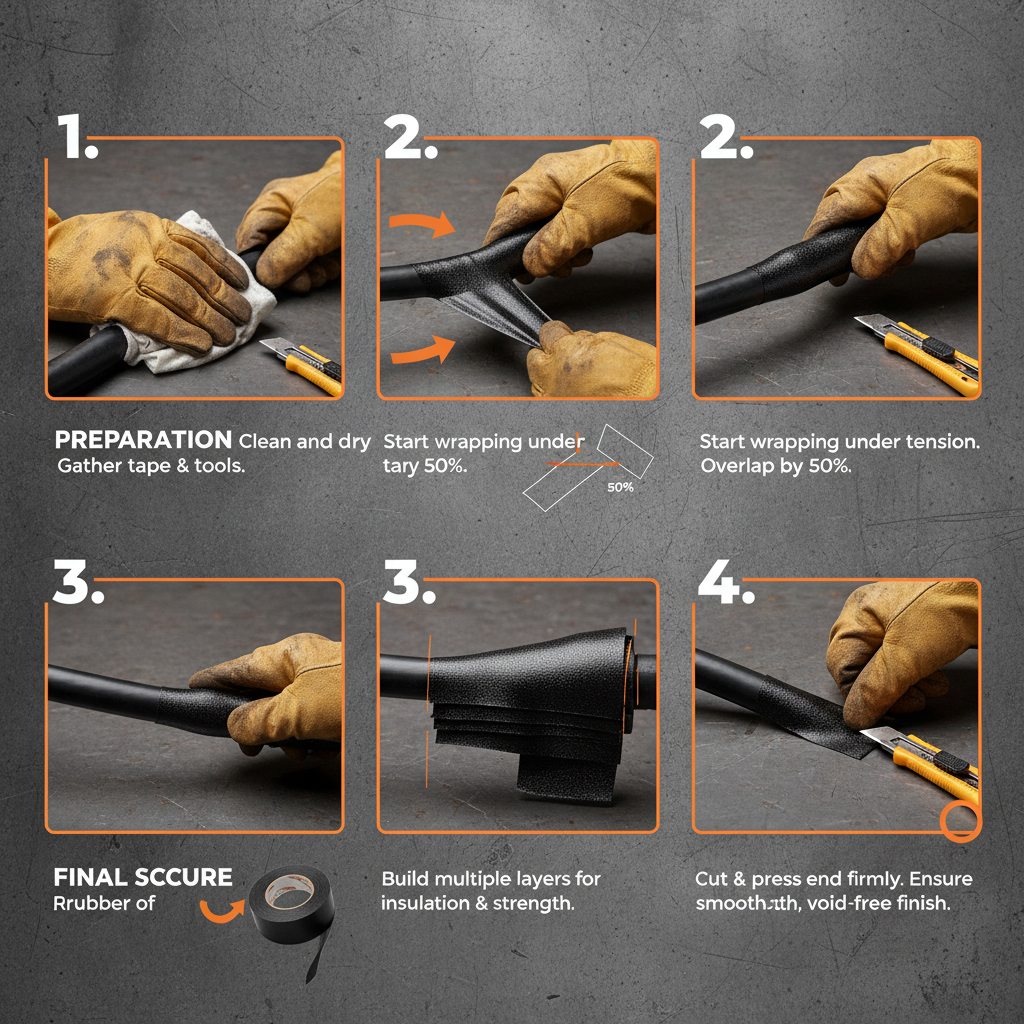
Tape for marking floors is a surprisingly vital component of modern safety and operational efficiency, impacting industries from warehousing and logistics to healthcare and education. Its role extends beyond simple demarcation, contributing to accident prevention, workflow optimization, and even emergency preparedness. Understanding the nuances of different tape types, their applications, and evolving technologies is crucial for businesses and organizations aiming to enhance their performance and prioritize safety.
The global demand for effective floor marking solutions is steadily increasing, driven by stricter safety regulations, a growing emphasis on lean manufacturing principles, and the ever-present need to maintain organized and efficient workspaces. According to the International Organization for Standardization (ISO), clear visual cues significantly reduce workplace incidents. Addressing challenges related to durability, adhesion, and cost-effectiveness is paramount in meeting this demand.
Ultimately, implementing proper floor marking using appropriate tape for marking floors isn’t just about compliance; it’s about fostering a culture of safety, productivity, and continuous improvement within any environment. It's a small investment with a substantial return.
The Importance of Tape for Marking Floors
Effective floor marking, facilitated by high-quality tape, plays a critical role in creating a safe and efficient work environment. It defines walkways, designates hazardous areas, and guides traffic flow, reducing the risk of accidents and injuries. Choosing the right tape isn’t just about color; it's about selecting a material that withstands the demands of the specific application.
Beyond safety, tape for marking floors is instrumental in implementing 5S methodologies, improving organization, and promoting visual management. A well-marked floor clearly communicates procedures and expectations, contributing to streamlined operations and increased productivity.
Defining Tape for Marking Floors
Tape for marking floors refers to specifically engineered adhesive tapes designed for durable and visible demarcation on various floor surfaces. Unlike general-purpose tapes, floor marking tape is formulated to resist abrasion, chemicals, and temperature fluctuations, ensuring long-lasting performance. It’s commonly available in a wide range of colors and widths to suit diverse application needs.
The connection to modern industry stems from the need for standardized visual communication in complex environments. From manufacturing plants to hospitals, clear and consistent floor markings are essential for guiding personnel, identifying hazards, and improving overall workflow. These tapes address the humanitarian need for safety in public spaces and efficient operation in critical facilities.
In essence, this specialized tape is a fundamental component of visual workplace organization, and its importance is only growing as businesses strive for safer, more efficient, and more compliant operational environments.
Key Factors in Selecting Floor Marking Tape
Several key factors dictate the selection of the appropriate floor marking tape. Durability is paramount; the tape must withstand foot traffic, forklift activity, and potential impacts without peeling, cracking, or fading. This depends heavily on the tape’s material composition – vinyl, PVC, or specialized polymer blends are common choices.
Adhesion is another crucial consideration. The tape must adhere firmly to the target surface – concrete, epoxy, tile, or vinyl – without leaving residue upon removal. Surface preparation is often key to achieving optimal adhesion. Furthermore, chemical resistance ensures the tape isn't compromised by cleaning agents or spills commonly found in industrial settings.
Visibility and color selection are also important, especially for safety markings. High-contrast colors effectively delineate hazard zones, walkways, and storage areas. Finally, cost-effectiveness should be evaluated, balancing initial investment with long-term durability and maintenance requirements.
Global Applications and Use Cases
The applications of tape for marking floors are remarkably diverse, spanning across numerous industries worldwide. In warehousing and logistics, it’s used to delineate storage areas, create pick paths, and mark safety zones, improving efficiency and reducing errors. Manufacturing facilities rely on it to define work cells, identify hazardous equipment, and enforce safety protocols.
Healthcare facilities utilize floor marking tape to designate sterile zones, guide patient flow, and indicate emergency exits. Educational institutions employ it to create safe walkways, highlight fire exits, and delineate activity areas. Even in retail environments, tape for marking floors is used to guide customers and promote product displays.
In post-disaster relief operations, quick and durable floor marking helps organize temporary shelters and emergency supply distribution centers. In remote industrial zones, where infrastructure is limited, it provides a cost-effective and rapidly deployable solution for establishing safe and organized work environments.
Effectiveness of Different Floor Marking Methods
Advantages and Long-Term Value
The advantages of utilizing tape for marking floors extend far beyond simple visual organization. Cost-effectively, it represents a significantly lower investment compared to permanent flooring solutions like painting or epoxy coatings. Its ease of application and modification allows for quick adjustments to layouts and workflows without requiring extensive downtime.
Sustainability is another key benefit. Properly chosen tape can last for extended periods, reducing the need for frequent replacements and minimizing waste. Furthermore, by enhancing safety and reducing accidents, floor marking tape contributes to a more secure and productive work environment, ultimately boosting employee morale and trust.
Future Trends and Innovations
The future of floor marking is poised for innovation, driven by advancements in materials science and digital technology. We’re seeing the development of more durable and eco-friendly tape formulations, including bio-based and recyclable options. Integration with augmented reality (AR) is also emerging, allowing for dynamic and interactive floor markings.
Smart floor marking systems, incorporating sensors and wireless connectivity, are gaining traction. These systems can monitor foot traffic, detect potential hazards, and provide real-time alerts, further enhancing safety and efficiency. Automation in tape application, using robotic systems, will also streamline installation processes, particularly in large-scale industrial environments.
Challenges and Solutions in Floor Marking
Despite its benefits, implementing effective floor marking isn't without its challenges. One common issue is adhesion failure, particularly on porous or improperly prepared surfaces. Thorough surface cleaning and the use of appropriate primers can mitigate this problem. Another challenge is wear and tear in high-traffic areas.
Selecting heavier-duty tape with enhanced abrasion resistance and utilizing protective coatings can extend tape lifespan. Ensuring proper color contrast and adherence to standardized safety codes is also crucial, requiring ongoing training and audits. Finally, maintaining consistency across a large facility can be difficult; implementing a centralized floor marking plan and assigning responsibility for maintenance is essential.
Addressing these challenges proactively through careful planning, quality material selection, and regular maintenance will maximize the long-term benefits of tape for marking floors.
Summary of Common Floor Marking Challenges and Solutions
| Challenge |
Root Cause |
Solution |
Preventative Measure |
| Poor Adhesion |
Unclean Surface |
Thorough Cleaning & Primer |
Regular Cleaning Schedule |
| Tape Wear & Tear |
High Traffic Areas |
Heavy Duty Tape/Coatings |
Traffic Flow Analysis |
| Faded Colors |
UV Exposure |
UV Resistant Tape |
Regular Inspection |
| Inconsistent Marking |
Lack of Standardization |
Centralized Marking Plan |
Standard Operating Procedures |
| Safety Code Violations |
Lack of Training |
Employee Training Programs |
Regular Audits |
| Difficult Removal |
Aggressive Adhesive |
Low-Residue Tape |
Test Adhesive Before Application |
FAQS
For concrete floors, a heavy-duty vinyl tape with a strong adhesive backing is generally the best choice. Look for tapes specifically designed for rough or porous surfaces, as concrete can be challenging to adhere to. Consider a tape with a textured surface for increased durability and slip resistance. Surface preparation is key - ensure the concrete is clean, dry, and free of debris before application.
The lifespan of floor marking tape varies depending on the type of tape, the amount of traffic, and the environmental conditions. Generally, high-quality vinyl tapes can last between 6 months to 2 years in moderate traffic areas. More durable tapes, such as those made with specialized polymer blends, can last significantly longer - up to 5 years or more. Regular inspection and timely replacement are crucial for maintaining safety and visibility.
Most floor marking tapes are designed to be removed without leaving a significant residue, but this depends on the adhesive type and the surface it's applied to. Low-residue adhesives are available for sensitive surfaces. Applying heat (using a hairdryer) can soften the adhesive and make removal easier. Always test a small area first to ensure the tape doesn't damage the floor.
Some floor marking tapes are specifically designed for outdoor use and can withstand exposure to UV rays, moisture, and temperature fluctuations. Look for tapes labeled as "outdoor grade" or "weather resistant." Standard indoor tapes will typically degrade quickly when exposed to the elements, becoming brittle and losing their adhesive properties.
Common colors include yellow (caution/hazard areas), red (fire safety equipment, emergency stops), green (safe conditions/walkways), blue (material storage), and white (general boundaries/aisles). However, specific color coding can vary by industry and company standards. It's essential to establish a clear color-coding system and communicate it to all personnel.
Proper floor preparation is vital for successful adhesion. Thoroughly clean the surface to remove dirt, dust, grease, and any other contaminants. For porous surfaces like concrete, a primer may be necessary. Ensure the floor is completely dry before applying the tape. Consider lightly sanding the surface for better grip, particularly for smooth surfaces.
Conclusion
In conclusion, tape for marking floors is far more than a simple visual aid; it's a critical component of workplace safety, efficiency, and organization. From enhancing pedestrian flow to identifying hazards and streamlining operations, its benefits are substantial and far-reaching. Choosing the right tape, properly applying it, and maintaining it regularly are essential for maximizing its value.
Looking ahead, continued innovation in materials science and digital technologies promises to further enhance the capabilities of floor marking solutions. Embracing these advancements will enable businesses to create even safer, more efficient, and more productive work environments. Visit our website at www.qiangdatape.com to explore our wide range of floor marking tapes and find the perfect solution for your needs.