
The Critical Role and Advanced Engineering of Flame Retardant Tapes
In an industrial landscape where safety, reliability, and regulatory compliance are paramount, advanced materials play a crucial role. Among these, flame retardant tapes stand out as essential components for safeguarding electrical systems, critical infrastructure, and personnel. These specialized adhesive tapes are engineered to prevent or slow the spread of fire, offering vital protection in high-risk environments ranging from aerospace and automotive to construction and electronics. Understanding their technical specifications, application intricacies, and manufacturing processes is key for B2B decision-makers and engineers seeking to enhance operational safety and material performance.
The demand for robust fire safety solutions continues to grow, driven by stricter international standards and the increasing complexity of electrical and thermal management systems. Modern flame retardant tapes are not merely passive barriers; they are active components designed with sophisticated chemistry and material science to meet rigorous performance criteria under extreme conditions.
Evolving Industry Trends in Flame Retardant Tapes
The market for flame retardant tapes is dynamic, continually adapting to new technological advancements and evolving regulatory frameworks. Several key trends are shaping its trajectory:
- Shift Towards Halogen-Free Solutions: Environmental and health concerns are driving a strong preference for halogen-free flame retardants. Traditional halogenated compounds, while effective, can release toxic and corrosive gases during combustion. New formulations utilize phosphorus-based compounds, metal hydroxides, or intumescent systems that expand to form a char layer, providing an insulating barrier without harmful emissions.
- Integration with Advanced Materials: Modern fire retardant tape often incorporates high-performance substrates like fiberglass, polyimide, or specialized films combined with advanced adhesive technologies. This integration enhances properties such as thermal stability, mechanical strength, and electrical insulation alongside fire resistance.
- Growth in Electric Vehicle (EV) and Renewable Energy Sectors: The burgeoning EV market demands robust thermal management and fire protection for battery packs and high-voltage cabling. Similarly, solar and wind energy installations require durable and reliable flame resistant tape to prevent electrical fires and ensure long-term operational integrity.
- Miniaturization and Enhanced Performance: As electronic devices become smaller and more powerful, the need for thin, highly effective flame retardant solutions for intricate wiring and components grows. This drives innovation in adhesive chemistry and coating technologies to maintain performance in a reduced footprint.
- Stricter International Standards: Regulatory bodies worldwide, such as UL (Underwriters Laboratories), IEC (International Electrotechnical Commission), and ASTM (American Society for Testing and Materials), are continually updating fire safety standards, pushing manufacturers to innovate and certify their products to meet increasingly stringent requirements.
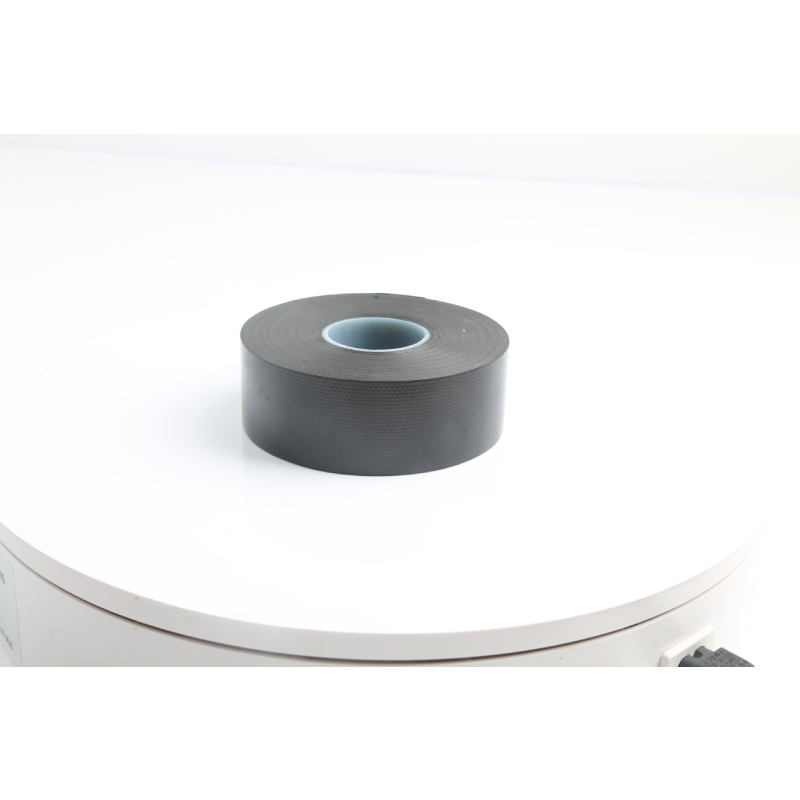
The Advanced Manufacturing Process of Flame Retardant Tapes
The production of high-performance flame retardant tapes is a complex, multi-stage process that combines precision engineering with advanced material science. It involves meticulous selection of raw materials, sophisticated coating techniques, and rigorous quality control.
1. Raw Material Selection and Preparation
- Substrate: The base material can vary widely depending on the desired mechanical and thermal properties. Common substrates include fiberglass fabrics for high-temperature and strength, polyimide films for thin and flexible applications, polyester films for general purpose, or specialized polymer blends.
- Flame Retardant Compounds: These are critical additives, often inorganic mineral fillers (e.g., aluminum trihydrate, magnesium hydroxide), intumescent chemicals, or phosphorus-based compounds. The choice depends on the desired UL 94 rating (e.g., V-0, VTM-0), smoke density, and toxicity requirements.
- Adhesive System: Pressure-sensitive adhesives (PSAs) are typically used. Acrylic adhesives offer excellent aging resistance and high-temperature performance, while silicone adhesives provide superior thermal stability and adhesion to low surface energy materials. Rubber-based adhesives are often used for general-purpose applications. The adhesive itself may also be formulated with flame retardant properties.
- Release Liner: A silicone-coated paper or film that protects the adhesive layer until application.
2. Coating and Curing Process
This stage involves precise application of the flame retardant coating and adhesive onto the substrate.
- Substrate Priming (Optional): Some substrates require a primer layer to improve adhesion of subsequent coatings.
- Flame Retardant Layer Application: The flame retardant compound, often in a binder matrix, is applied to the substrate using precision coating techniques such as knife-over-roll, gravure coating, or reverse roll coating. This ensures uniform thickness and consistent flame retardant properties across the entire web.
- Drying/Curing: After coating, the material passes through ovens to dry the solvents and cure the flame retardant layer, forming a stable, durable barrier.
- Adhesive Coating: The chosen PSA is then applied onto the treated substrate using similar precision coating methods. This layer's thickness is carefully controlled to achieve optimal adhesion performance.
- Final Curing and Laminating: The adhesive layer is cured, often followed by lamination with the release liner, ensuring the adhesive remains tacky and protected until use.
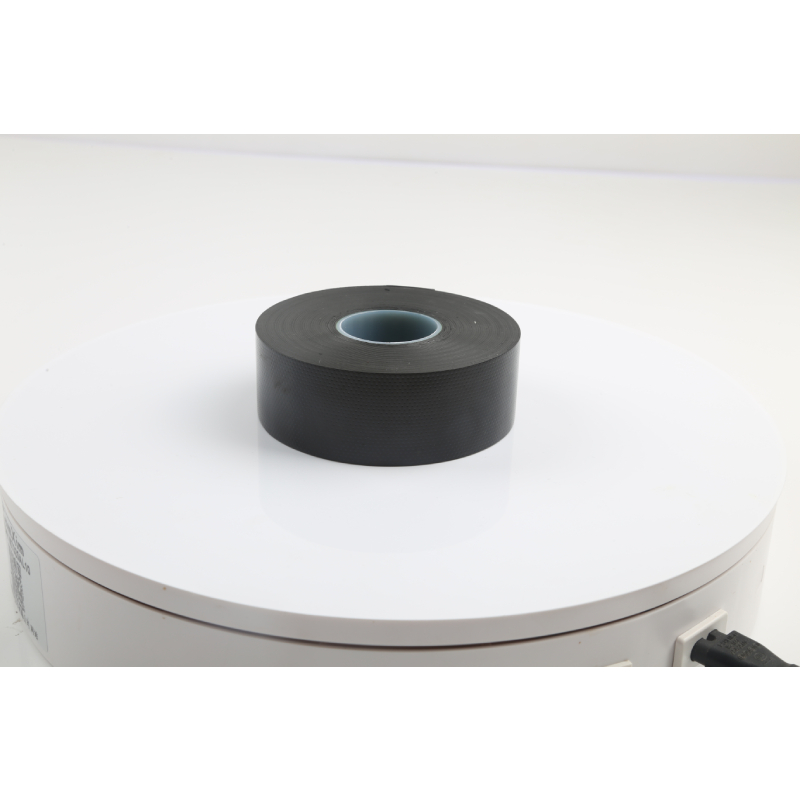
3. Slitting and Finishing
Large rolls of coated material are precisely slit into narrower widths according to customer specifications, and then spooled onto individual cores.
4. Quality Control and Testing Standards
Rigorous testing is performed throughout the process to ensure compliance with international standards and product specifications. Key tests include:
- UL 94 (Vertical Burning Test): A critical test for plastic materials regarding flammability. Ratings like V-0 (self-extinguishes within 10 seconds), V-1, V-2, or VTM-0 for thin materials determine the material's ability to resist ignition and self-extinguish.
- Limiting Oxygen Index (LOI) per ISO 4589 / ASTM D2863: Measures the minimum concentration of oxygen, expressed as a percentage, that will support combustion of a polymer. Higher LOI values indicate greater flame retardancy.
- Adhesion and Tensile Strength per ASTM D3330 / D3759: Ensures the tape adheres reliably and possesses sufficient mechanical strength for its intended application.
- Temperature Resistance: Evaluates performance across a specified operating temperature range.
- Smoke Density and Toxicity (e.g., ASTM E662, SMP 800C): Increasingly important for enclosed spaces like aircraft or public transport.
- Dielectric Strength: For electrical insulating tapes, this measures the material's ability to withstand voltage without breakdown.
These testing standards, often coupled with ISO 9001 certified manufacturing, ensure the consistent quality, reliability, and service life of flame retardant tapes, making them indispensable across various target industries such as petrochemical, metallurgy, aerospace, automotive, electronics, and water supply & drainage, offering advantages like energy saving and corrosion resistance.
Technical Specifications and Performance Metrics
The efficacy of flame retardant tapes is quantified by a range of technical parameters crucial for engineering design and material selection. These specifications determine suitability for specific applications and compliance with industry regulations.
Table 1: Typical Product Specifications for Flame Retardant Tapes (Example: Flame Retardant Rubber Tape)
| Parameter | Unit | Typical Value | Testing Standard |
|---|---|---|---|
| UL 94 Flammability Rating | - | V-0, VTM-0 | UL 94 |
| Limiting Oxygen Index (LOI) | % | ≥ 30% | ISO 4589 / ASTM D2863 |
| Temperature Resistance (Continuous) | °C | -40 to +150 | ASTM D1000 |
| Tensile Strength | N/10mm | ≥ 50 | ASTM D3759 |
| Adhesion to Steel (Peel Adhesion) | N/10mm | ≥ 4.0 | ASTM D3330 |
| Elongation at Break | % | ≥ 150 | ASTM D3759 |
| Dielectric Strength | kV/mm | ≥ 10 | ASTM D1000 |
| Thickness | mm | 0.1 - 0.5 (variable) | ASTM D3652 |
These parameters provide a quantifiable basis for selecting the appropriate flame retardant adhesive tape for specific applications, ensuring both safety and long-term performance.
Diverse Application Scenarios
The versatility of flame retardant tapes enables their use across a broad spectrum of industries, providing crucial protection against fire propagation and thermal events.
- Aerospace & Defense: Essential for wiring harnesses, cabin insulation, and electronic component protection in aircraft and defense systems, where lightweight yet robust fire protection is critical to passenger and crew safety.
- Automotive Industry: Used extensively for protecting battery packs, charging cables, engine compartment wiring, and interior components in electric vehicles (EVs) and traditional combustion engine vehicles. Flame resistant tape helps prevent thermal runaway in EV batteries and protects against short circuits.
- Electronics & Data Centers: For cable bundling, circuit board insulation, and power supply units. Non-halogenated options are preferred to minimize corrosive gas release, protecting sensitive equipment and ensuring data integrity.
- HVAC Systems: Flame retardant aluminum foil tape is commonly used for sealing ductwork and insulating pipes, providing fire containment and preventing flame spread within ventilation systems. Its reflective properties also contribute to thermal efficiency.
- Construction & Building Materials: Utilized for electrical conduit wrapping, sealing fire-rated walls, and insulating critical cabling infrastructure in commercial and residential buildings, ensuring compliance with building codes.
- Industrial Manufacturing: For machinery wiring, control panel insulation, and in processes where high temperatures or potential ignition sources are present, protecting against equipment damage and operational downtime.
- Public Transportation: Applications in trains, buses, and marine vessels for protecting electrical systems, seating components, and interior panels, enhancing public safety in mass transit environments.
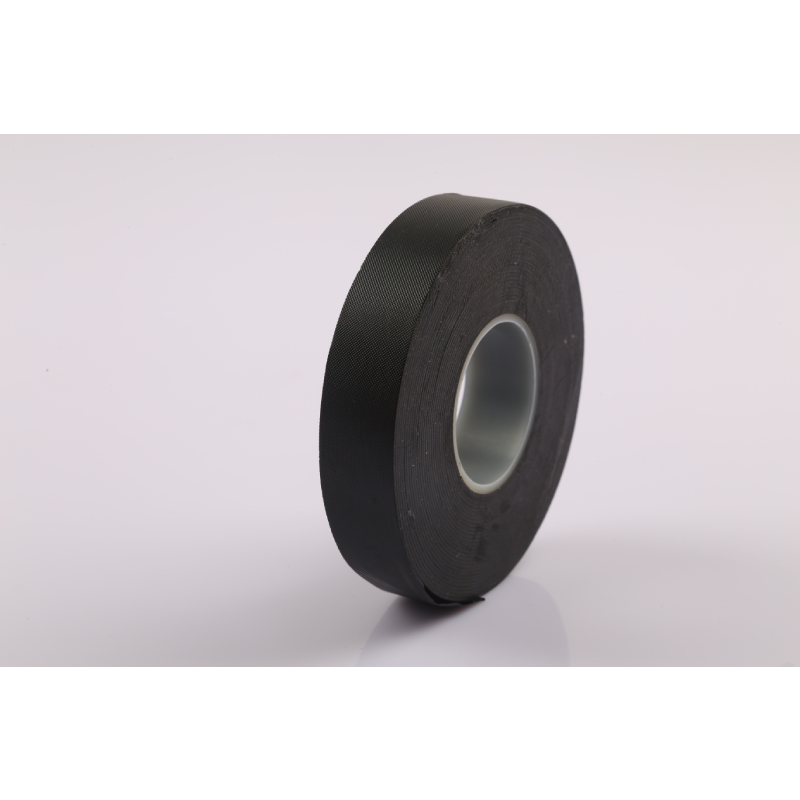
In each of these scenarios, the specific properties of the flame retardant tape – whether it's high temperature resistance, low smoke generation, or excellent electrical insulation – are tailored to meet the unique safety and performance requirements.
Technical Advantages and Performance Edge
The engineering excellence behind modern flame retardant tapes translates into several distinct technical advantages that are highly valued in B2B applications:
- Superior Fire Safety: The primary advantage is their ability to resist ignition, self-extinguish rapidly, and prevent flame spread. This significantly reduces the risk of property damage, equipment failure, and, most importantly, protects human lives.
- Thermal Stability and High-Temperature Resistance: Many fire retardant tapes are designed to maintain their integrity and adhesive properties in elevated temperatures, ensuring continuous protection even under thermal stress, which is crucial for engine compartments or high-power electronics.
- Excellent Adhesion and Durability: Engineered adhesives provide strong, long-lasting bonds to various substrates, ensuring the tape remains securely in place over extended periods, even in challenging environments prone to vibration, moisture, or chemical exposure.
- Electrical Insulation Properties: Beyond fire resistance, many flame resistant tapes also offer superior dielectric strength, providing reliable electrical insulation for wiring and components, preventing short circuits and electrical arcing.
- Chemical and Environmental Resistance: Formulated to withstand exposure to oils, solvents, acids, alkalis, and UV radiation, ensuring performance longevity in harsh industrial or outdoor settings.
- Low Smoke and Toxicity (LST): Specialized halogen-free formulations minimize the emission of dense smoke and toxic fumes during combustion, enhancing safety in enclosed spaces and protecting sensitive electronics.
- Ease of Application: Despite their advanced properties, these tapes are designed for straightforward application, facilitating efficient installation and maintenance, leading to reduced labor costs and project timelines.
Vendor Comparison and Customized Solutions
Selecting the right supplier for flame retardant tapes is as critical as choosing the product itself. A comprehensive vendor comparison should go beyond mere product specifications to evaluate overall partnership value.
Table 2: Key Criteria for Flame Retardant Tape Vendor Comparison
| Criterion | Description & Importance |
|---|---|
| Certifications & Compliance | Verify UL, ISO, RoHS, REACH, and other industry-specific certifications. This ensures products meet global safety, quality, and environmental standards. |
| Customization Capabilities | Assess the vendor's ability to provide bespoke solutions (e.g., custom widths, lengths, die-cuts, specialized adhesive formulations, halogen-free options) for unique application requirements. |
| R&D and Innovation | A vendor with strong R&D invests in new technologies, offering cutting-edge solutions that align with future industry trends and emerging challenges. |
| Technical Support & Expertise | Availability of experienced technical teams for application guidance, problem-solving, and material selection ensures optimal product integration and performance. |
| Supply Chain Reliability & Lead Times | Consistent product availability, efficient logistics, and adherence to committed lead times are crucial for uninterrupted production schedules. |
| Cost-Effectiveness & Value Proposition | Beyond initial price, consider the total cost of ownership, including product lifespan, performance reliability, and potential savings from enhanced safety and reduced maintenance. |
Tailored Solutions to Meet Specific Demands
Recognizing that off-the-shelf products may not always meet unique project requirements, reputable manufacturers of flame retardant adhesive tape offer extensive customization options. These include:
- Material Composition: Adjusting the base film (e.g., polyimide for extreme temperatures, polyester for economy) or fabric weave (e.g., tighter fiberglass for higher strength).
- Flame Retardant Chemistry: Developing formulations with specific LOI values, smoke suppression capabilities, or halogen-free compositions to meet stringent environmental regulations.
- Adhesive Formulation: Customizing adhesive types (acrylic, silicone, rubber) for specific adhesion profiles, temperature ranges, or substrate compatibility.
- Dimensions and Formats: Producing tapes in non-standard widths, lengths, or as die-cut parts and rolls to integrate seamlessly into automated assembly processes.
- Performance Additives: Incorporating features like UV resistance, enhanced chemical resistance, or anti-static properties.
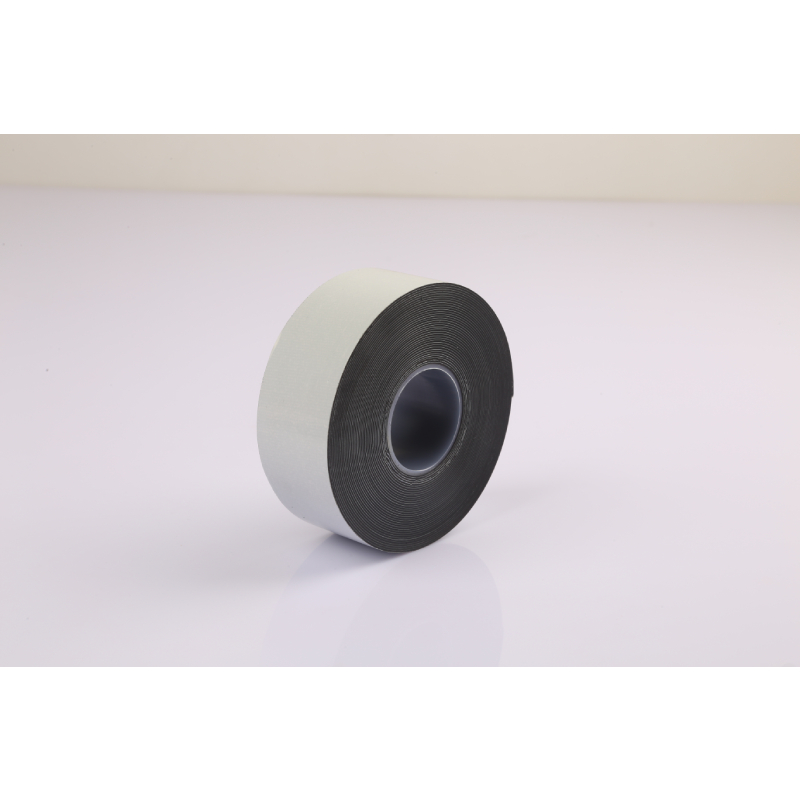
Collaborating with a manufacturer offering robust customization allows businesses to optimize their fire safety solutions for maximum efficiency and compliance, especially for niche or cutting-edge applications.
Application Case Studies and Customer Success
Case Study 1: Enhanced Fire Safety in Aerospace Wiring
Challenge: A leading aerospace manufacturer required a lightweight, high-temperature resistant, and flame-retardant solution for bundling and insulating critical wiring harnesses within aircraft fuselages. The existing solution was bulky and did not meet evolving FAR 25.853 fire safety standards for non-metallic materials.
Solution: We supplied a specialized polyimide-backed flame resistant tape with a high-performance silicone adhesive. This tape offered exceptional thermal stability up to 200°C, a UL 94 V-0 rating, and superior abrasion resistance, while maintaining a thin profile to minimize weight. The halogen-free formulation ensured low smoke and toxicity during combustion, a crucial factor in passenger cabins.
Outcome: The tape significantly improved the fire safety profile of the aircraft wiring, meeting stringent aerospace regulations. The customer reported a 15% reduction in installation time due to the tape's conformability and strong initial tack, alongside positive feedback on its long-term durability in challenging flight environments. This demonstrates our commitment to providing authoritative, tested solutions for critical applications.
Case Study 2: Thermal Runaway Prevention in EV Battery Modules
Challenge: An innovator in electric vehicle battery technology sought a reliable thermal barrier and electrical insulator to mitigate the risk of thermal runaway propagation between individual battery cells within their high-density battery modules. The solution needed to be thin, flexible, and withstand high operating temperatures.
Solution: We developed a custom, high-dielectric strength flame retardant adhesive tape, incorporating a ceramic-filled polymer film with an advanced acrylic flame retardant adhesive. This unique construction provided excellent thermal insulation, a high LOI (>40%), and an impressive dielectric breakdown voltage of 15 kV/mm, specifically engineered to contain potential thermal events at their source.
Outcome: The implementation of this tape drastically improved the safety margin of the battery modules. Internal testing showed a significant reduction in the rate of thermal propagation between cells, enhancing overall battery pack safety and longevity. The customer praised our engineering team's expertise and rapid prototyping capabilities, which enabled quick validation and integration into their production lines. This exemplifies our experience in complex B2B engagements.
Case Study 3: Data Center Cable Management with Halogen-Free Solutions
Challenge: A global data center operator needed a solution for cable management that not only bundled cables effectively but also provided superior flame retardancy without emitting corrosive or toxic gases in the event of a fire. Protecting sensitive IT equipment from secondary damage was paramount.
Solution: We provided a halogen-free, low-smoke, low-toxicity (LSLT) flame retardant tape with an acrylic adhesive. This tape met UL 94 V-0 and had a high LOI, ensuring rapid self-extinguishment. Its non-corrosive combustion by-products significantly reduced the risk of damage to servers and network hardware, aligning with the data center's stringent environmental and safety protocols.
Outcome: The data center successfully implemented the tape across multiple facilities, enhancing their fire safety infrastructure. The product's compliance with ISO 9001 and RoHS standards reinforced the client's trust in our solutions. The facility managers reported peace of mind regarding equipment protection and personnel safety, underlining the trustworthiness of our high-quality flame retardant products.
Frequently Asked Questions (FAQ)
Q1: What is the primary difference between "flame retardant" and "fire resistant" tapes?
A1: While often used interchangeably, "flame retardant" materials are designed to self-extinguish when the ignition source is removed, slowing or preventing the spread of fire. "Fire resistant" materials are engineered to withstand fire exposure for a specified duration, maintaining their integrity and function, often in more extreme fire conditions. Most flame retardant tapes fall into the former category, designed to prevent ignition and spread, but specific formulations can offer higher degrees of fire resistance.
Q2: Are halogen-free flame retardant tapes as effective as halogenated ones?
A2: Modern halogen-free fire retardant tape formulations have advanced significantly and can achieve comparable or even superior flame retardant performance to traditional halogenated options. They are particularly preferred for applications where low smoke emission and reduced toxicity of combustion gases are critical, such as in enclosed spaces or data centers.
Q3: How do I select the correct flame retardant tape for my application?
A3: Selection depends on several factors: the required flammability rating (e.g., UL 94 V-0), operating temperature range, environmental conditions (moisture, chemicals, UV), substrate type, electrical insulation needs, and any specific industry certifications. Consulting with our technical experts is recommended to ensure optimal product matching for your specific requirements.
Q4: What is the typical service life of flame retardant tapes?
A4: The service life of flame retardant tapes varies significantly based on environmental exposure (temperature, humidity, UV), mechanical stress, and chemical contact. Under typical indoor conditions, many tapes are designed for long-term performance, often exceeding 5-10 years. For critical applications, periodic inspection and adherence to manufacturer guidelines are essential.
Logistics, Warranty, and Customer Support
Lead Time and Fulfillment
We understand the critical importance of timely delivery for your projects. Our standard lead times for common flame retardant tapes typically range from 2-4 weeks, depending on order volume and customization requirements. For urgent requests or large-scale projects, we offer expedited production and flexible inventory management solutions to ensure your operational continuity. Our global logistics network is optimized for efficient, reliable delivery worldwide.
Warranty Commitments
All our flame retardant adhesive tape products are manufactured under stringent ISO 9001 quality management systems and come with a standard 12-month warranty against manufacturing defects, effective from the date of purchase. This warranty underscores our confidence in the quality and performance of our products. Specific project-based warranties and extended guarantees can be discussed for long-term strategic partnerships.
Dedicated Customer Support
Our commitment extends beyond product delivery. We provide comprehensive after-sales support, including technical assistance, application guidance, and troubleshooting from our team of experienced engineers and product specialists. Our customer service team is available via phone, email, or online portal to address any inquiries or support needs promptly, ensuring seamless integration and optimal performance of our flame retardant tapes in your applications.
References
- M. J. R. Cooray, "Fire Safety Engineering: Design and Applications for Buildings," Elsevier, 2018.
- ASTM International, "ASTM D3759/D3759M-16, Standard Test Method for Tensile Strength and Elongation of Pressure-Sensitive Tapes," 2016.
- Underwriters Laboratories Inc. (UL), "UL 94, Tests for Flammability of Plastic Materials for Parts in Devices and Appliances," 2022.
- ISO (International Organization for Standardization), "ISO 4589-2:2017, Plastics – Determination of burning behaviour by oxygen index – Part 2: Ambient-temperature test," 2017.
- Federal Aviation Administration (FAA), "FAR 25.853: Compartment interiors," 1965, as amended.
-
Industrial Fire Proof Tape Guide for High Temperature ProtectionNewsApr.16,2026
-
Ultimate Guide to Fireproof Tape Protection and ApplicationsNewsApr.09,2026
-
Exploring Black Tack Butyl Applications and Benefits for Optimal SealingNewsApr.07,2026
-
Comprehensive Guide to Black Butyl Rubber Tape Applications and BenefitsNewsApr.04,2026
-
Comprehensive Guide to High Power Butyl Waterproof Tape ApplicationsNewsMar.31,2026
-
Comprehensive Guide to 360tronics Butyl Waterproof Tape for Airtight and Watertight SealsNewsMar.28,2026