
Introduction to Advanced Sealing Solutions and Industry Trends
In the intricate landscape of industrial operations, the integrity of equipment and infrastructure hinges critically on effective sealing. The seal strip is far more than a simple component; it is a meticulously engineered barrier designed to prevent leakage, ingress of contaminants, and mitigate energy loss across diverse applications. These essential components maintain operational efficiency, enhance safety protocols, and extend the service life of machinery and structures.
The global industrial sealing market, valued at approximately USD 12.5 billion in 2023, is projected to grow at a Compound Annual Growth Rate (CAGR) of over 5% through 2030, driven by escalating demands from automotive, manufacturing, and process industries. Key trends shaping this sector include the increasing adoption of high-performance elastomers, the push for more sustainable and environmentally friendly materials, and the development of intelligent sealing solutions integrated with IoT for predictive maintenance. Advances in material science and manufacturing precision are continuously pushing the boundaries of what a sealing strip can achieve, allowing for operation in increasingly extreme temperatures, pressures, and corrosive environments.

The Manufacturing Process of High-Performance Seal Strips
The production of a high-quality rubber seal strip involves a sophisticated multi-stage manufacturing process, meticulously controlled to ensure superior performance and durability. This process typically commences with the selection of premium-grade raw materials, tailored to specific application demands. Common materials include EPDM (Ethylene Propylene Diene Monomer) for excellent weather resistance, Silicone for high-temperature stability and flexibility, Nitrile Rubber (NBR) for oil resistance, and PVC (Polyvinyl Chloride) for general-purpose applications.
Process Flow:
- Material Compounding: Raw polymers, reinforcing fillers (e.g., carbon black, silica), plasticizers, vulcanizing agents, and other additives are precisely mixed in internal mixers or two-roll mills. This step is critical for achieving the desired physical and chemical properties of the final product.
- Extrusion or Molding:
- Extrusion: For continuous profiles, the compounded material is fed into an extruder, where it is heated and forced through a die to create the desired cross-sectional shape. This method is akin to a continuous casting process for polymers.
- Molding: For complex or specific shapes, compression molding or injection molding techniques are employed. These are analogous to forging or CNC machining in metalworking, offering high precision for intricate designs.
- Curing/Vulcanization: The formed strip undergoes a curing process (e.g., in continuous vulcanization lines or curing ovens) where heat and pressure chemically cross-link the polymer chains, transforming the material into a stable, elastic rubber.
- Finishing & Cutting: The cured strips are cooled, trimmed, and cut to specified lengths. Adhesives or tapes may be applied during this stage for self-adhesive variants.
- Quality Control & Testing: Throughout the process, stringent quality checks are performed. Products are tested against international standards such as ISO 9001 for quality management, ASTM D2000 for rubber material classification, and ANSI/NSF 61 for potable water applications. Key parameters tested include tensile strength, elongation, hardness (Shore A), compression set, and environmental resistance (ozone, UV, temperature cycling).
This meticulous approach ensures that the finished product delivers optimal performance, contributing to energy saving in thermal applications, superior corrosion resistance in harsh chemical environments, and extended service life in target industries such as petrochemical, metallurgy, and water supply & drainage.

Technical Specifications and Performance Parameters of Seal Strips
Understanding the precise technical specifications of a seal strip is paramount for selecting the appropriate product for a given application. These parameters dictate the strip's performance under specific operational conditions, ensuring long-term reliability and efficiency. Key characteristics include material composition, durometer hardness, temperature resistance range, compression set, tensile strength, and chemical compatibility.
Key Technical Parameters:
- Material Type: EPDM, Silicone, NBR, CR (Neoprene), PVC, Polyurethane. Each offers distinct advantages for specific environments.
- Durometer Hardness (Shore A): Measures the material's resistance to indentation, typically ranging from 20 to 90 Shore A. A softer material provides better conformability, while a harder one offers greater abrasion resistance.
- Temperature Range: The operational temperature limits (e.g., -60°C to +250°C for silicone, -40°C to +120°C for EPDM). Crucial for applications in extreme hot or cold environments.
- Compression Set: The permanent deformation of the material after prolonged compression. A low compression set indicates excellent sealing integrity over time. Tested according to ASTM D395.
- Tensile Strength & Elongation: Indicates the material's resistance to breaking under tension and its ability to stretch before breaking. Measures material robustness.
- Chemical Resistance: Compatibility with various chemicals, oils, acids, and alkalis. Essential for process industries.
- UV & Ozone Resistance: Important for outdoor and weather-exposed applications, preventing degradation from environmental factors.
Typical Seal Strip Material Properties (Illustrative Data)
These technical insights enable engineers and procurement professionals to make informed decisions, ensuring the selected sealing solution perfectly matches the operational demands, thereby optimizing system performance and longevity.
Versatile Application Scenarios Across Critical Industries
The adaptability of the modern sealer strip makes it indispensable across a multitude of industries, where it performs critical functions from maintaining pressure integrity to isolating environmental elements. Its role extends beyond simple sealing, contributing significantly to operational efficiency and safety in demanding environments.
Key Application Sectors:
- Petrochemical and Chemical Processing: Used extensively in pipeline flanges, storage tank lids, reaction vessel seals, and pump seals. Materials like FKM (Viton) and FFKM are often chosen for their exceptional resistance to corrosive chemicals and high temperatures, ensuring containment of hazardous substances and preventing costly leaks.
- Metallurgy and Heavy Industry: Employed in high-temperature furnace doors, rolling mill equipment, and dust suppression systems. Here, sealing strips must withstand extreme heat, abrasive particles, and heavy loads, often utilizing silicone or braided graphite composites.
- Water Supply & Drainage Systems: Critical for sealing pipe joints, manhole covers, sluice gates, and water treatment plant components. EPDM and potable-water-certified NBR strips ensure leak-proof connections, crucial for preventing water loss and contamination, meeting standards like ANSI/NSF 61.
- HVAC and Refrigeration: Essential for sealing air ducts, freezer doors, cold storage units, and environmental chambers. A robust weatherstrip seal minimizes air leakage, improves energy efficiency, and maintains consistent internal temperatures, reducing operational costs.
- Automotive and Transportation: Found in vehicle doors, windows, trunks, and engine compartments. They provide protection against noise, vibration, harshness (NVH), and ingress of water, dust, and air, contributing to passenger comfort and vehicle longevity.
- Construction and Architecture: Applied in window and door frames, expansion joints, and curtain wall systems. These strips offer weatherproofing, thermal insulation, and acoustic damping, critical for modern building efficiency and occupant comfort.
In each of these sectors, the precise selection and application of sealing strips are vital, underscoring their role as foundational elements for operational integrity and performance optimization.
Technical Advantages and Performance Benefits of Advanced Seal Strips
The technical sophistication embedded in modern seal strip technology delivers a multitude of performance benefits that are critical for industrial efficiency, safety, and sustainability. These advantages stem from advanced material science, precision manufacturing, and rigorous testing protocols.
Key Technical Advantages:
- Superior Sealing Integrity: Engineered to provide a consistent, uniform seal even under dynamic conditions, preventing leakage of liquids, gases, and particulate matter. This is achieved through optimized material hardness, robust compression set characteristics, and precision-engineered profiles.
- Enhanced Energy Efficiency: By creating airtight and watertight seals, these strips minimize thermal transfer and air infiltration, leading to significant energy savings in heating, ventilation, air conditioning (HVAC), and refrigeration systems. For example, a properly sealed industrial freezer can reduce energy consumption by up to 15%.
- Exceptional Corrosion and Chemical Resistance: Utilizing specialized elastomers (e.g., FKM, EPDM), advanced sealing strips can withstand prolonged exposure to aggressive chemicals, solvents, acids, and bases, ensuring reliability in chemical processing and petrochemical environments.
- Extended Service Life and Durability: Designed for longevity, these strips resist degradation from UV radiation, ozone exposure, extreme temperatures, and mechanical stress. This reduces the frequency of replacements, lowers maintenance costs, and minimizes operational downtime.
- Noise and Vibration Reduction (NVH): In automotive and machinery applications, sealing strips effectively dampen vibrations and absorb acoustic energy, leading to quieter operation, improved equipment stability, and enhanced user comfort.
- Compliance with Industry Standards: High-quality sealing strips are manufactured to comply with international standards such as ISO, ASTM, and specific industry regulations (e.g., FDA for food contact, REACH/RoHS for environmental compliance). This ensures product safety, reliability, and interoperability.
- Temperature Stability: Capable of performing across extreme temperature ranges, from cryogenic conditions to high-heat industrial furnaces, maintaining flexibility and sealing force without material degradation.
These advantages translate directly into operational excellence, ensuring that critical systems remain secure, efficient, and compliant, thereby safeguarding investments and enhancing overall productivity.

Vendor Comparison and Selection Criteria for Seal Strip Solutions
Selecting the right vendor for industrial seal strip solutions is a strategic decision that impacts product quality, operational reliability, and long-term cost-efficiency. A thorough evaluation process should consider several critical factors beyond just price.
Key Vendor Selection Criteria:
- Technical Expertise and R&D Capabilities: A leading vendor should possess deep material science knowledge and a robust R&D department capable of developing innovative solutions and assisting with complex engineering challenges.
- Quality Assurance and Certifications: Look for certifications like ISO 9001, IATF 16949 (automotive), and specific product compliance (e.g., FDA, RoHS, REACH). These indicate adherence to stringent quality management systems and product safety standards.
- Customization and Prototyping Services: The ability to provide bespoke solutions, including custom profiles, specialized material formulations, and rapid prototyping, is crucial for unique application requirements.
- Manufacturing Capacity and Lead Times: Evaluate the vendor's production capacity to meet demand, especially for large orders or just-in-time delivery, and their demonstrated ability to adhere to promised lead times.
- After-Sales Support and Technical Assistance: Comprehensive support, including installation guidance, troubleshooting, and material data sheets, ensures optimal product performance throughout its lifecycle.
- Industry Experience and Track Record: Longevity in the market, a strong portfolio of successful projects, and testimonials from reputable clients indicate reliability and proven performance.
- Sustainability Practices: Increasingly, vendors with environmentally responsible manufacturing processes and recyclable materials are preferred, aligning with corporate sustainability goals.
Illustrative Vendor Comparison Matrix
A comprehensive vendor assessment, focusing on these criteria, ensures that the chosen partner can consistently deliver high-quality, reliable, and technically appropriate sealing solutions, ultimately safeguarding your operational investments.

Customized Seal Strip Solutions for Unique Industrial Challenges
While standard seal strip products address a broad spectrum of industrial needs, many specialized applications demand bespoke solutions. Customization offers the flexibility to precisely match sealing components to unique operational parameters, ensuring optimal performance where off-the-shelf options fall short. This includes specific environmental exposures, complex geometric requirements, or adherence to highly niche industry regulations.
The Customization Process:
- Needs Assessment & Consultation: Collaboration with client engineers to thoroughly understand application environment, fluid types, temperature/pressure ranges, mechanical stresses, and target service life.
- Material Science & Formulation: Developing or modifying polymer compounds to achieve specific physical and chemical properties, such as enhanced chemical resistance, extreme temperature tolerance, or specific friction coefficients. For instance, creating a low-durometer silicone for delicate sealing or a high-abrasion-resistant polyurethane.
- Profile Design & Tooling: Engineering unique cross-sectional profiles to fit non-standard grooves, gaps, or sealing surfaces. This often involves precision CAD design and manufacturing custom extrusion dies or compression molds.
- Prototyping & Testing: Producing initial samples for client evaluation and conducting rigorous in-house testing to validate performance against specified criteria, including simulated real-world conditions.
- Adhesive & Surface Treatment Integration: Applying specialized adhesive systems for quick and secure installation, or incorporating surface treatments for enhanced lubricity, abrasion resistance, or anti-stick properties.
- Compliance & Certification: Ensuring the customized solution meets all relevant industry standards and regulatory requirements, which may include FDA, USP Class VI, WRAS, or specific automotive specifications.
By partnering with a manufacturer experienced in custom solutions, businesses can achieve sealing performance that not only meets but often exceeds expectations, leading to greater operational efficiency, reduced maintenance, and a competitive edge in specialized markets.
Real-World Application Case Studies: Demonstrating Seal Strip Efficacy
The tangible benefits of high-performance seal strip solutions are best illustrated through real-world applications where they have demonstrably improved operational outcomes. These case studies highlight their critical role in diverse industrial settings.
Case Study 1: Enhanced Safety and Emission Control in a Petrochemical Facility
A large petrochemical plant faced persistent challenges with fugitive emissions from aging storage tank hatches and process pipeline flanges, leading to environmental concerns and potential safety hazards. The existing seals, made of conventional materials, rapidly degraded under exposure to aromatic hydrocarbons and fluctuating temperatures (up to 80°C).
- Solution: Customized FKM (fluoroelastomer) gasket strips were engineered with a specific low-compression set property and robust chemical resistance. These seals were designed to a precise profile to ensure optimal surface contact even with minor flange imperfections.
- Outcome: Within six months of installation, the facility reported a 90% reduction in measurable fugitive emissions from the treated components. The service life of the new seals extended from 6 months to over 3 years, significantly reducing maintenance frequency and material costs. Worker safety improved due to reduced exposure to hazardous fumes.
Case Study 2: Improving Energy Efficiency in Commercial Cold Storage
A major cold storage warehouse operator struggled with energy losses due to ineffective seals on their large walk-in freezer doors. Gaps and degraded seals allowed significant cold air escape, causing their refrigeration units to work harder, leading to high electricity bills and inconsistent internal temperatures.
- Solution: High-performance EPDM caulking strips with superior low-temperature flexibility and excellent compression recovery were specifically designed for the freezer doors. The strips featured a multi-cavity profile for enhanced thermal insulation and a self-adhesive backing for easy, secure installation.
- Outcome: Post-installation, the warehouse measured a 12-15% reduction in energy consumption for the affected freezer units. Internal temperature stability improved by 2°C, safeguarding stored goods. The new seals demonstrated superior durability, resisting ice buildup and maintaining elasticity over two years, outperforming previous solutions significantly.
These examples underscore how carefully engineered sealing solutions provide measurable benefits in terms of safety, efficiency, and cost savings across various industrial applications.
Ensuring Quality, Compliance, and Industry Leadership
In the competitive landscape of B2B industrial components, demonstrating unwavering commitment to quality and compliance is paramount. For a manufacturer of seal strip products, this forms the bedrock of customer trust and market authority. Our dedication is evidenced through rigorous certification processes, long-standing client relationships, and a deep history of industry service.
Authoritativeness through Certifications and Standards:
- ISO 9001:2015 Certification: Our quality management system is fully certified, ensuring consistent product quality from design and manufacturing to delivery and after-sales support. This framework guarantees process efficiency and continuous improvement.
- RoHS & REACH Compliance: All products adhere to the Restriction of Hazardous Substances (RoHS) directive and the Registration, Evaluation, Authorisation and Restriction of Chemicals (REACH) regulation. This commitment ensures our sealing solutions are environmentally responsible and safe for use, particularly in European markets.
- ASTM & DIN Testing: Our materials and finished products undergo extensive testing in accordance with American Society for Testing and Materials (ASTM) and Deutsches Institut für Normung (DIN) standards. This includes tests for tensile strength, elongation, hardness, compression set, and specific environmental resistances.
- Industry-Specific Approvals: We maintain certifications relevant to specific sectors, such as FDA compliance for food-grade applications, WRAS (Water Regulations Advisory Scheme) for potable water contact, or UL (Underwriters Laboratories) ratings for fire safety where applicable.
Proven Track Record and Partner Clients:
With over two decades of dedicated service in the sealing industry, we have cultivated enduring partnerships with leading enterprises across the globe. Our client roster includes prominent names in:
- Global Automotive Manufacturing
- Major Petrochemical and Refinery Operators
- HVAC System Integrators
- Infrastructure and Construction Projects
- Food and Beverage Processing Facilities
These long-standing relationships are a testament to our consistent delivery of high-quality products and reliable service, reinforcing our position as an authoritative and trusted partner in sealing technology.
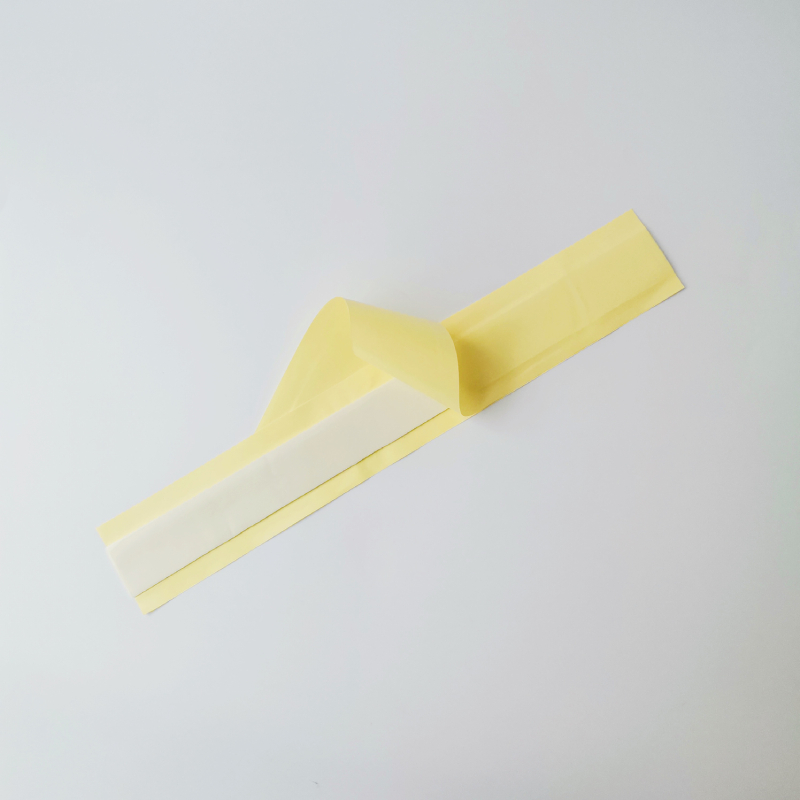
Trustworthiness: FAQs, Lead Times, Warranty, and Customer Support
Building and maintaining trust with our B2B clients is paramount. This extends beyond product quality to encompass transparent communication, reliable logistics, and comprehensive after-sales support. We aim to provide clear information and robust assurances for every seal strip solution we deliver.
Frequently Asked Questions (FAQs):
- Q: How do I select the correct seal strip material for my application?
A: Selection depends on factors like operating temperature, pressure, chemical exposure, environmental conditions (UV, ozone), and mechanical stress. Our technical team is available for consultation to help you choose the optimal material and profile. - Q: What is the typical lead time for custom seal strip orders?
A: For custom tooling and initial prototypes, lead times typically range from 4-6 weeks. Production runs for established designs usually range from 2-3 weeks, depending on material availability and order volume. We offer expedited options for urgent projects. - Q: Can you provide samples for testing before a large order?
A: Yes, we provide samples for performance validation, especially for custom designs. This ensures the product meets your exact specifications before full-scale production. - Q: What are the best practices for installing seal strips?
A: Proper surface preparation (clean, dry, smooth), correct alignment, and appropriate compression are crucial. For self-adhesive strips, ensure adequate pressure during application. Our technical data sheets provide detailed installation guidelines.
Lead Time and Fulfillment:
We operate efficient production schedules and robust supply chain management to ensure timely delivery. Standard products are typically shipped within 7-10 business days. For customized solutions, we provide a clear timeline after design confirmation and prototyping. Our logistics team works diligently to ensure on-time, intact delivery to your specified location.
Warranty Commitments:
All our sealing strips are backed by a comprehensive warranty against manufacturing defects and material failures under normal operating conditions. The specific warranty period and terms are outlined in our sales agreements, reflecting our confidence in the quality and durability of our products. We are committed to addressing any issues promptly and professionally.
Dedicated Customer Support:
Our dedicated customer support team and technical experts are available to assist you from initial inquiry through product lifecycle. We provide technical consultation, product data sheets, troubleshooting assistance, and expert advice to ensure your sealing solutions perform optimally. Contact us via phone, email, or through our website for prompt and professional assistance.

Conclusion: The Future of High-Performance Sealing
The indispensable role of the seal strip in modern industrial and commercial applications cannot be overstated. From ensuring safety and environmental compliance in petrochemical facilities to enhancing energy efficiency in smart buildings, these engineered components are critical enablers of operational excellence. As industries evolve, driven by demands for higher performance, greater sustainability, and enhanced connectivity, the technology behind sealing solutions continues to advance.
Manufacturers are increasingly focused on developing next-generation materials with superior resilience to extreme conditions, integrating smart functionalities for real-time monitoring, and optimizing production processes for greater cost-effectiveness and environmental responsibility. By emphasizing precision engineering, adherence to stringent quality standards, and a customer-centric approach to customization and support, we empower our clients to tackle their most complex sealing challenges with confidence, securing their operations for the future.

References
- Market Research Future. (2024). Industrial Sealing Market Research Report: Information By Material Type, By Product, By End-Use Industry, And By Region – Market Forecast Till 2030.
- ASTM International. (2023). ASTM D2000: Standard Classification System for Rubber Products in Automotive Applications.
- International Organization for Standardization. (2023). ISO 9001: Quality management systems — Requirements.
- US Environmental Protection Agency. (2022). Fugitive Emissions from Oil and Gas Operations.
- National Sanitation Foundation International. (2023). NSF/ANSI/CAN 61: Drinking Water System Components – Health Effects.
-
Industrial Fire Proof Tape Guide for High Temperature ProtectionNewsApr.16,2026
-
Ultimate Guide to Fireproof Tape Protection and ApplicationsNewsApr.09,2026
-
Exploring Black Tack Butyl Applications and Benefits for Optimal SealingNewsApr.07,2026
-
Comprehensive Guide to Black Butyl Rubber Tape Applications and BenefitsNewsApr.04,2026
-
Comprehensive Guide to High Power Butyl Waterproof Tape ApplicationsNewsMar.31,2026
-
Comprehensive Guide to 360tronics Butyl Waterproof Tape for Airtight and Watertight SealsNewsMar.28,2026