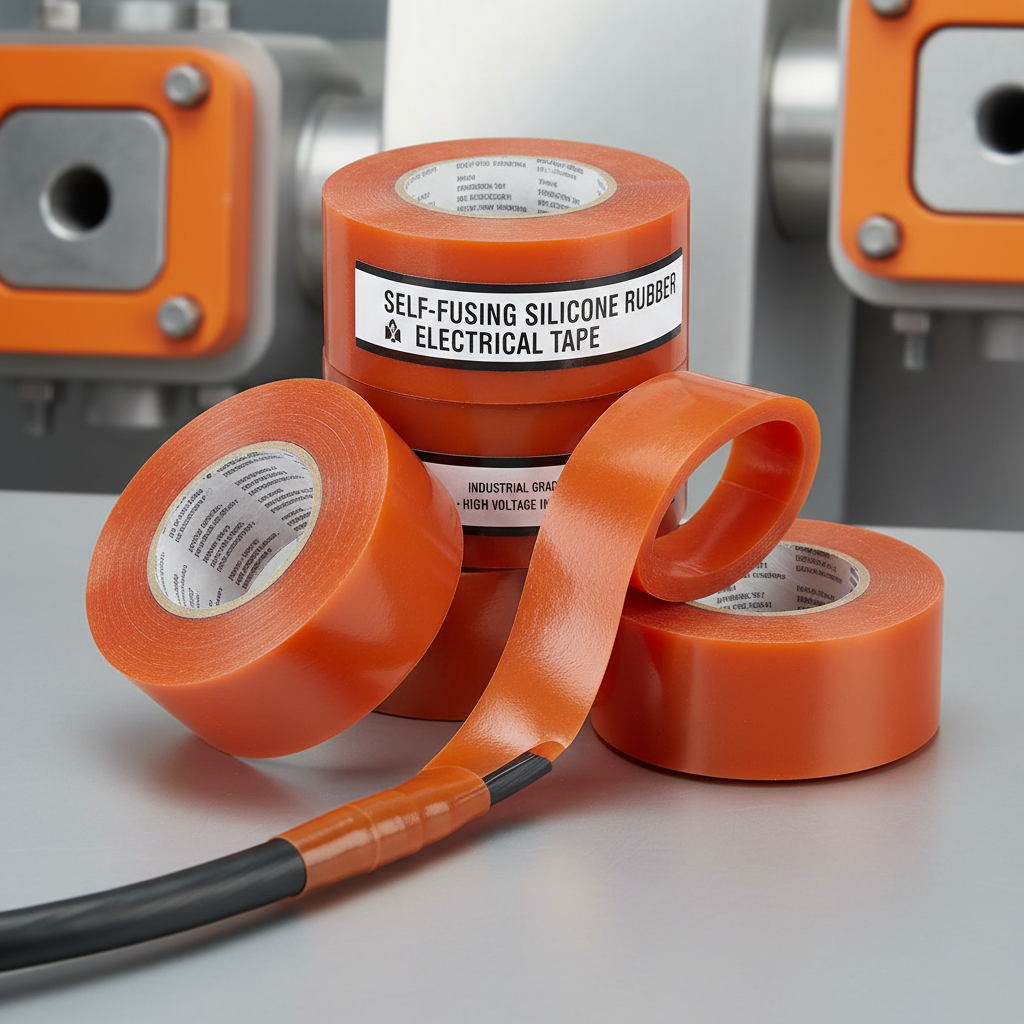
130c rubber tape is a specialized adhesive tape engineered for demanding industrial and commercial applications. Its robust construction and high-performance properties make it a critical component in sectors ranging from aerospace and automotive to electronics and construction. Understanding its unique characteristics is paramount for engineers, procurement specialists, and anyone requiring a reliable sealing or masking solution.
Globally, the demand for high-quality adhesive tapes is steadily increasing, driven by advancements in manufacturing processes and a growing emphasis on product reliability. The ISO standards for adhesive tape performance are continually evolving to meet these demands. 130c rubber tape, specifically, caters to applications where high temperature resistance and strong adhesion are non-negotiable.
This isn’t just about sticking things together; it's about ensuring the integrity of complex systems and processes. From protecting sensitive electronic components during wave soldering to masking off areas during powder coating, 130c rubber tape plays a vital, often unseen, role in modern manufacturing and beyond. It addresses challenges associated with high-heat environments and the need for clean, residue-free removal.
The Core Properties of 130c Rubber Tape
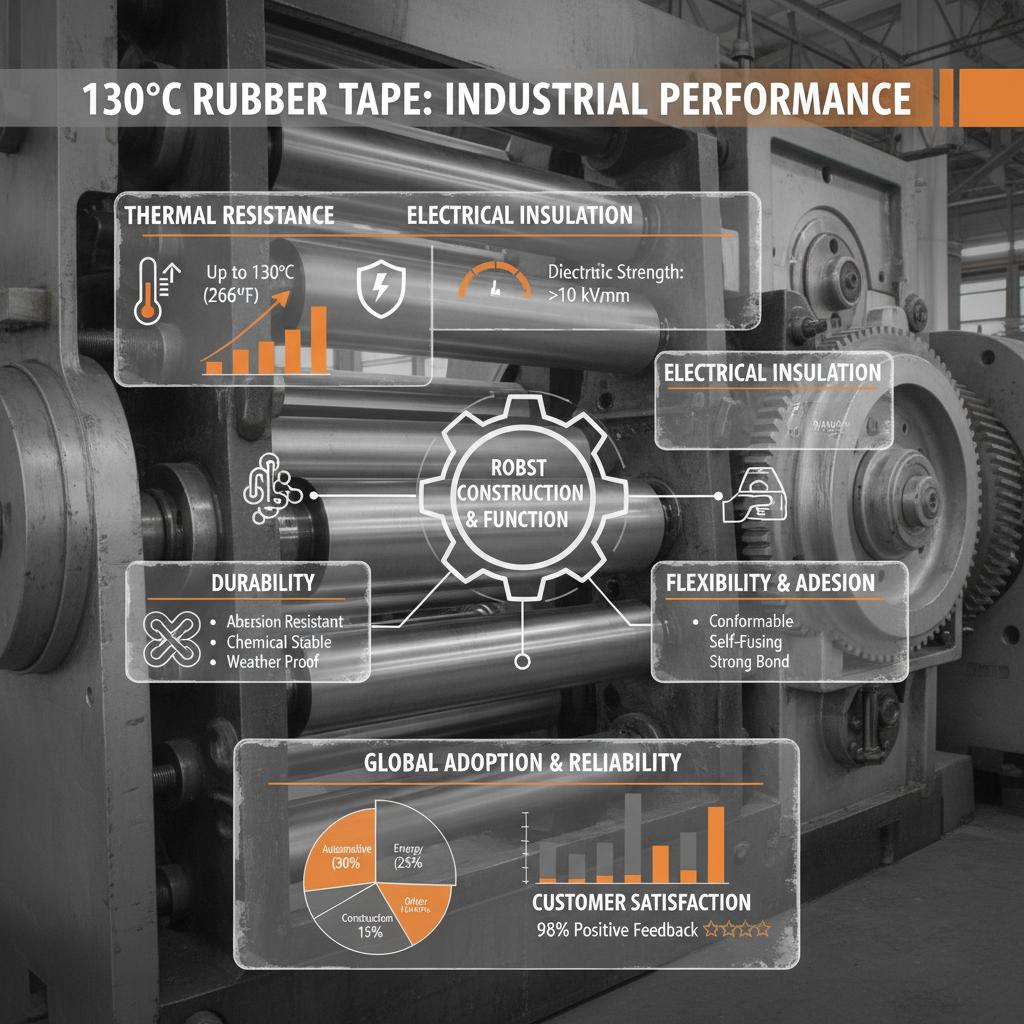
The defining characteristic of 130c rubber tape lies in its ability to maintain its adhesive properties and structural integrity at elevated temperatures – up to 130°C (266°F) for extended periods. This is achieved through a specialized rubber-based adhesive coupled with a robust backing material, often a silicone or fiberglass cloth. 130c rubber tape is crucial for applications where standard tapes would fail due to heat degradation.
Beyond temperature resistance, key properties include high tensile strength, excellent conformability to irregular surfaces, and clean removal without leaving residue. These features are essential for applications demanding precision and preventing contamination. It’s designed to withstand harsh environments and deliver consistent performance.
Global Relevance and Industry Standards
The need for high-temperature masking and bonding solutions is a global phenomenon, driven by the interconnectedness of modern supply chains and the increasing complexity of manufacturing processes. Industries like aerospace, automotive, and electronics are present worldwide, each relying on consistent material performance. The demand for 130c rubber tape is particularly strong in regions with significant manufacturing output, such as China, Germany, the United States, and Japan.
Industry standards, such as those set by ASTM International and IPC (Association Connecting Electronics Industries), play a crucial role in ensuring quality and reliability. 130c rubber tape manufacturers must often comply with these standards to demonstrate their products' performance characteristics and suitability for specific applications. These standards cover properties like tensile strength, elongation, adhesion, and temperature resistance.
Global trade regulations and certifications (like RoHS and REACH) also influence the production and distribution of 130c rubber tape, ensuring environmental compliance and consumer safety. The availability of certified materials is often a prerequisite for working with international clients.
Defining 130c Rubber Tape: A Technical Overview
At its core, 130c rubber tape is a pressure-sensitive adhesive (PSA) product. This means it adheres to surfaces with the application of minimal pressure, without requiring solvents or heat activation. The adhesive itself is typically a synthetic rubber, chosen for its heat resistance and strong bonding properties. Common rubber types include silicone, butyl, and acrylic polymers.
The backing material is equally important. While some 130c rubber tapes utilize a silicone-coated cloth, others employ fiberglass or specialized films to enhance strength, conformability, and resistance to tearing. The combination of adhesive and backing determines the tape's overall performance characteristics, influencing its suitability for different applications.
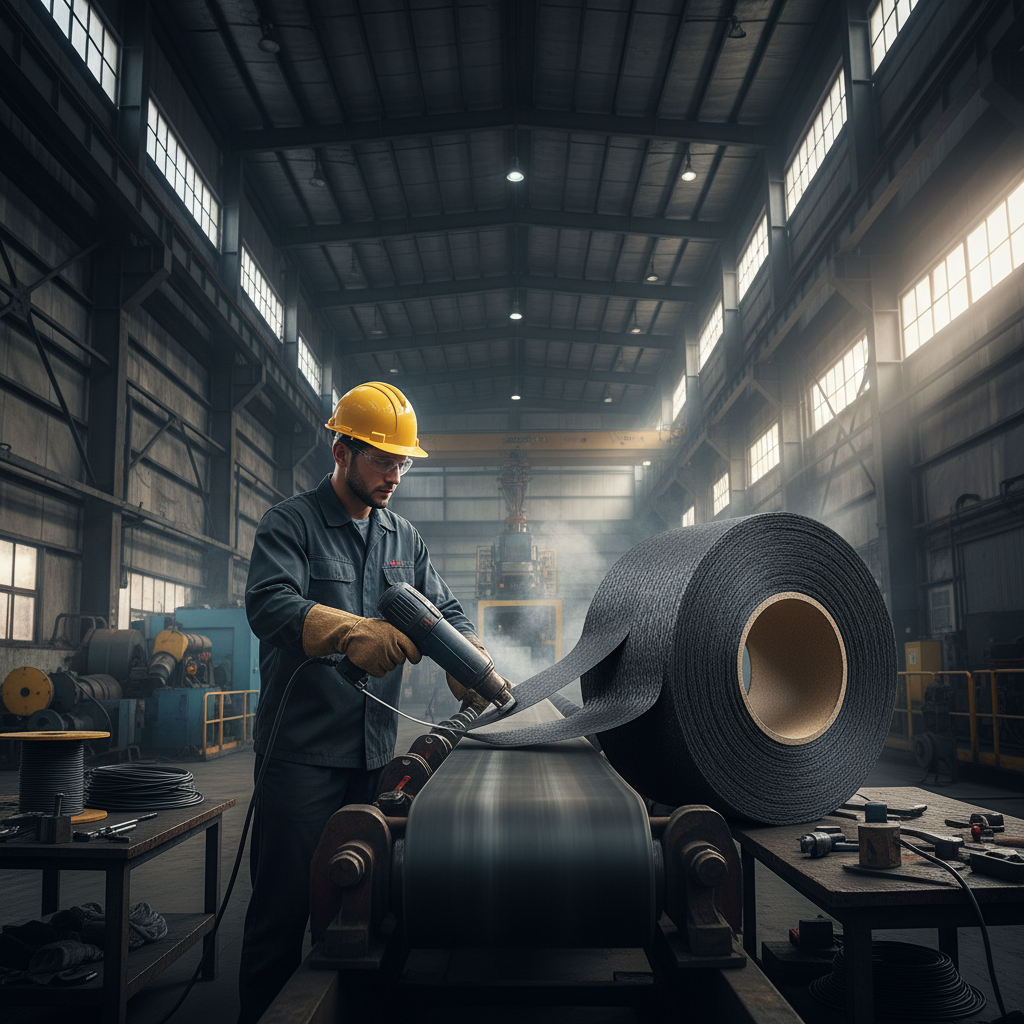
This construction directly relates to its modern industrial applications, such as masking during powder coating, protecting sensitive electronic components during high-temperature processing, and creating secure seals in challenging environments. It’s a material engineered for precision and reliability.
Key Performance Characteristics
Durability is a cornerstone of 130c rubber tape’s functionality. Its ability to withstand repeated exposure to high temperatures, chemicals, and abrasion ensures long-lasting performance in demanding environments. Scalability refers to the tape's adaptability to various application sizes and geometries, conforming easily to complex shapes.
Cost efficiency isn’t just about the price per roll; it’s about minimizing downtime, reducing rework, and preventing failures. Reliable adhesion and consistent performance translate into significant savings over time. Finally, ease of use—clean removal without residue—simplifies processes and reduces the need for post-application cleaning, further contributing to efficiency.
Performance Metrics for Different 130c Rubber Tape Formulations
Diverse Applications Across Industries
In the aerospace industry, 130c rubber tape is essential for masking components during thermal spray coating and protecting sensitive areas during non-destructive testing. In automotive manufacturing, it's used for high-temperature paint masking and bonding applications. The electronics sector relies on this tape to protect PCBs during wave soldering and conformal coating processes.
Beyond these core industries, 130c rubber tape finds use in power generation (masking turbine blades during repair), medical device manufacturing (protecting components during sterilization), and even specialized research applications where high-temperature stability is critical. In post-disaster relief operations, it's utilized for temporary repairs and sealing damaged infrastructure.
Specifically, in remote industrial zones, where access to specialized equipment may be limited, 130c rubber tape provides a reliable and readily available solution for a wide range of maintenance and repair tasks.
Long-Term Value and Practical Advantages
The long-term cost benefits of using 130c rubber tape extend beyond the initial purchase price. Its durability and reliability minimize the risk of failures, reducing downtime and preventing costly rework. The tape's clean removal also saves time and resources by eliminating the need for aggressive cleaning agents or solvents. Its inherent sustainability, derived from reduced waste and prolonged product life, is an increasingly important factor.
From a practical standpoint, 130c rubber tape enhances safety by providing a secure and reliable solution for critical applications. The peace of mind that comes with knowing a process is protected by a high-performance material contributes to a culture of quality and innovation. Its consistent performance builds trust among manufacturers and end-users alike.
Future Trends and Technological Advancements
The future of 130c rubber tape is intertwined with advancements in materials science and sustainable manufacturing practices. Research is focused on developing even more heat-resistant adhesives, exploring bio-based rubber alternatives, and reducing the environmental impact of production processes. Digitalization and automation are also playing a role, with the development of automated tape dispensing systems and quality control mechanisms.
The integration of nanotechnology promises to enhance the adhesive properties and durability of 130c rubber tape, potentially enabling it to withstand even more extreme conditions. Furthermore, the growing emphasis on circular economy principles is driving the development of recyclable or biodegradable backing materials, reducing waste and promoting sustainability.
The demand for tailored solutions will likely increase, leading to the development of 130c rubber tape formulations optimized for specific applications and industry requirements.
FAQS
While named "130c," sustained exposure above this temperature can gradually degrade adhesive performance. It’s designed for intermittent exposure up to 130°C (266°F), but continuous use at the upper limit will reduce its lifespan. For extended high-temperature applications, consider specialized high-temp tapes. Always consult the product datasheet for specific recommendations.
High-quality 130c rubber tape formulations are designed for clean removal, leaving minimal to no residue. However, the type of surface and duration of application can impact residue levels. Testing a small area before full-scale application is always recommended. Isopropyl alcohol can typically remove any minor residue.
130c rubber tape typically offers a balance of cost, performance, and ease of use. Silicone tapes generally have higher temperature resistance but can be more expensive. Polyimide tapes offer exceptional heat resistance and chemical resistance but may be less conformable. The best choice depends on the specific application requirements and budget.
While 130c rubber tape possesses good durability, prolonged exposure to UV radiation and moisture can affect its performance. For outdoor applications, select a tape with UV-resistant backing and consider additional protective measures, such as shielding or coatings.
Store 130c rubber tape in a cool, dry place away from direct sunlight and heat sources. Avoid exposure to chemicals or solvents. Proper storage helps maintain adhesive properties and extends the tape's shelf life. Ideal temperature is between 60-80°F (15-27°C).
While 130c rubber tape offers some dielectric strength, it is generally not recommended for primary electrical insulation. Specialized electrical insulation tapes are designed with higher breakdown voltages and dielectric properties. Always consult electrical safety standards before using any tape for electrical applications.
Conclusion
In summary, 130c rubber tape is a versatile and reliable adhesive solution critical for a wide array of industrial applications. Its unique combination of high-temperature resistance, strong adhesion, and clean removal makes it an indispensable component in sectors such as aerospace, automotive, and electronics. Understanding its properties and applications is essential for engineers and professionals seeking dependable bonding and masking solutions.
Looking ahead, ongoing innovations in materials science and sustainable manufacturing will continue to enhance the performance and environmental profile of 130c rubber tape. By embracing these advancements and collaborating with reputable suppliers like Qiangdatape, industries can unlock even greater value and ensure the long-term success of their operations.