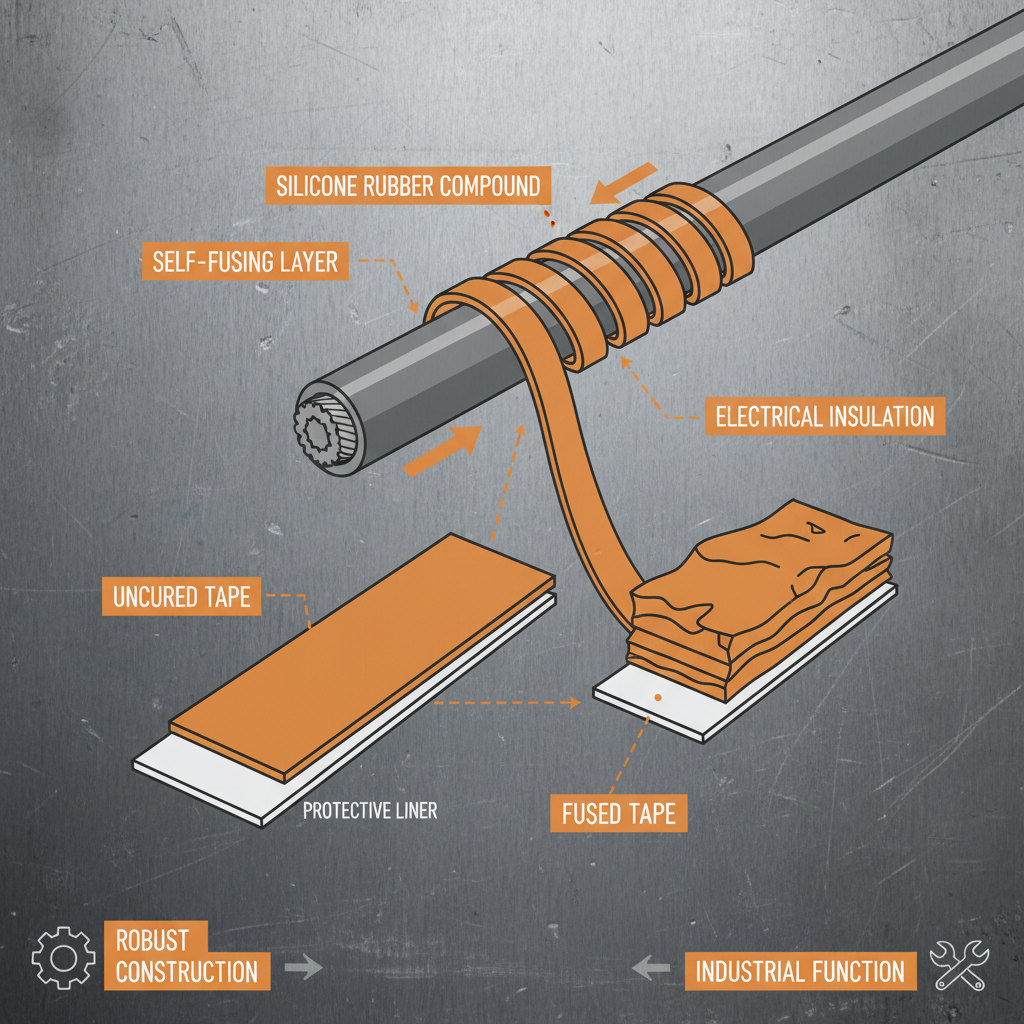
High voltage splicing tape is a critical component in ensuring the safe and reliable operation of electrical systems, particularly those operating at elevated voltages. Its primary function is to provide robust insulation and a secure mechanical connection in situations where traditional methods like connectors are impractical or insufficient. This is increasingly important in a world demanding greater power transmission efficiency and system resilience.
The global demand for high voltage splicing tape is driven by the continued expansion of power grids, the growth of renewable energy infrastructure (like wind and solar farms), and the increasing electrification of various industries. Factors like stringent safety regulations and the need for long-term performance contribute to the specialized requirements of this material. Investment in smart grid technologies and upgrades to aging infrastructure further fuel this demand.
Understanding the nuances of high voltage splicing tape – its composition, application techniques, and performance characteristics – is crucial for engineers, technicians, and procurement professionals involved in power distribution, manufacturing, and maintenance. Properly selected and applied tape minimizes the risk of electrical failures, enhances system safety, and contributes to overall operational efficiency.
The Significance of High Voltage Splicing Tape
The widespread adoption of high voltage splicing tape is not merely a matter of convenience; it’s a cornerstone of electrical safety and system reliability. The tape provides a critical barrier against electrical breakdown, preventing short circuits, arc flash hazards, and potential equipment damage. Its ability to conform to irregular shapes and create a watertight seal makes it indispensable in diverse environments.
The economic implications of using quality splicing tape are substantial. By minimizing downtime due to failures and extending the lifespan of electrical components, it reduces maintenance costs and increases overall productivity. Furthermore, adherence to industry standards and safety protocols, facilitated by proper splicing, avoids costly fines and legal liabilities.
Defining High Voltage Splicing Tape and Its Role
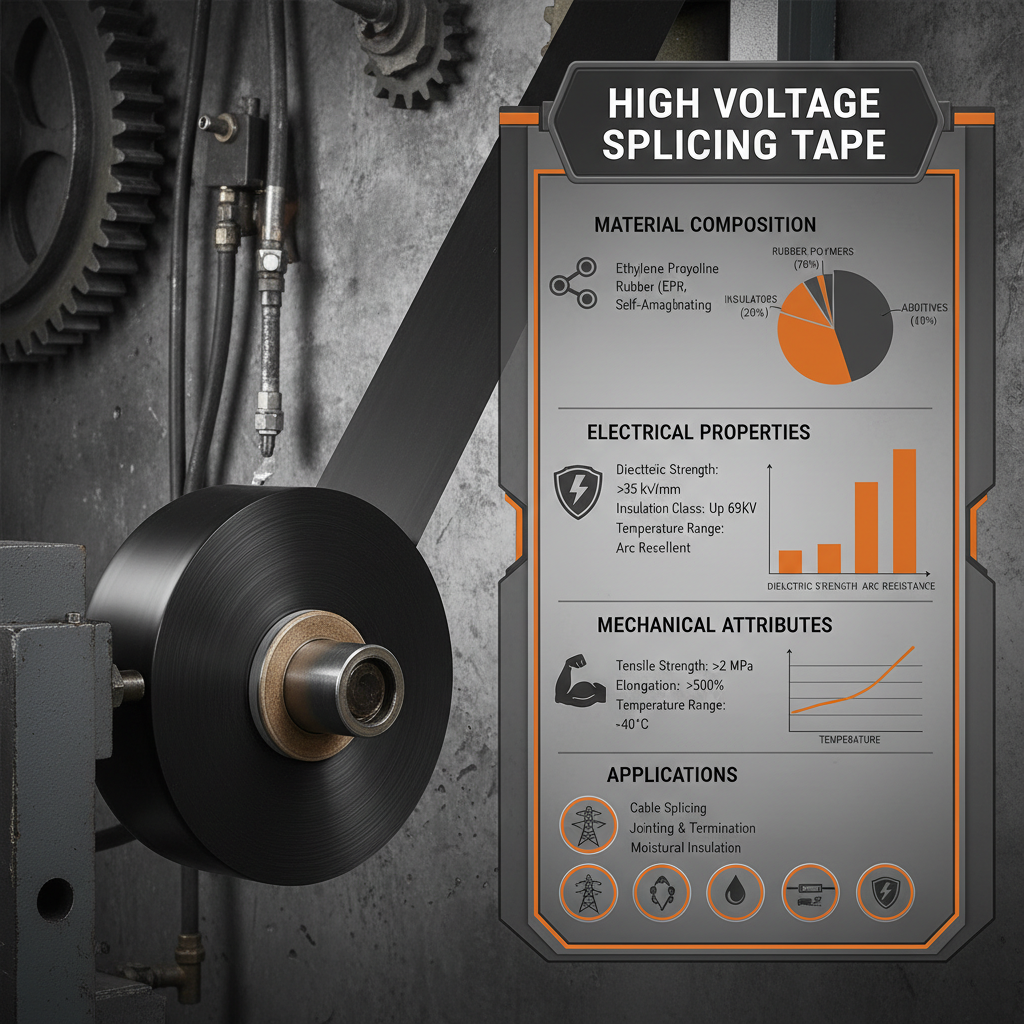
High voltage splicing tape is a specialized adhesive tape designed to insulate and protect electrical connections operating at voltages typically exceeding 600 volts. It is often constructed from materials like ethylene propylene rubber (EPR), polyvinyl chloride (PVC), or self-amalgamating rubber compounds, chosen for their dielectric strength, flexibility, and resistance to environmental factors. Its primary purpose is to create a continuous, sealed insulation layer around cable splices and terminations.
This capability is vital in various industries, including power transmission and distribution, automotive manufacturing, and industrial automation. Unlike simple electrical tape, high voltage splicing tape is engineered to withstand high electrical stresses, temperature fluctuations, and mechanical stress, ensuring long-term reliability and preventing catastrophic failures.
The connection to modern industry and humanitarian needs is direct. Reliable power transmission is fundamental to economic development and quality of life. In emergency situations, secure and quickly deployable splicing solutions are crucial for restoring power to critical infrastructure like hospitals and communication networks.
Core Components and Performance Factors
Several key factors determine the effectiveness of high voltage splicing tape. First is dielectric strength, the tape’s ability to resist electrical breakdown under high voltage. Second, adhesion is critical, ensuring a firm bond to the cable insulation and preventing moisture ingress. Third, flexibility allows the tape to conform to complex shapes and maintain a tight seal during movement.
Temperature resistance is another vital characteristic, as the tape must maintain its properties across a wide range of operating temperatures. Chemical resistance prevents degradation from exposure to oils, solvents, and other contaminants. Finally, UV resistance is important for outdoor applications, protecting the tape from sun damage and ensuring long-term performance.
The specific composition of the tape directly impacts these performance characteristics. For example, EPR tapes offer excellent dielectric strength and flexibility, while PVC tapes provide good abrasion resistance and cost-effectiveness. Self-amalgamating tapes form a solid, rubbery seal without the need for adhesive, making them ideal for moisture-sensitive applications.
Global Applications of High Voltage Splicing Tape
The applications of high voltage splicing tape are incredibly diverse, spanning numerous industries and geographical locations. In power transmission and distribution networks, it’s used to repair damaged cables, connect sections of underground or overhead lines, and terminate cables at substations. In renewable energy projects, such as wind farms and solar power plants, it’s essential for connecting the generated power to the grid.
Within the automotive industry, splicing tape is widely employed in the manufacturing of wiring harnesses for vehicles, ensuring reliable connections and protecting against corrosion. Industrial automation systems utilize it for insulating and protecting electrical connections in robots, machinery, and control panels. In remote industrial zones, where quick repairs are vital, its ease of use is a major benefit.
In post-disaster relief operations, high voltage splicing tape can play a crucial role in quickly restoring power to critical facilities. Its portability and ease of application make it ideal for emergency repairs in challenging conditions. Countries with developing electrical infrastructure, particularly in Asia and Africa, are experiencing significant demand for reliable splicing solutions.
Comparative Performance of High Voltage Splicing Tape Methods
Advantages and Long-Term Value Proposition
The advantages of using high-quality high voltage splicing tape extend far beyond immediate functionality. The cost savings associated with reduced downtime and minimized repair frequency are significant. Furthermore, the improved safety profile reduces the risk of accidents and liabilities.
From a sustainability perspective, extending the lifespan of electrical components reduces waste and conserves resources. The reliability of properly spliced connections contributes to the overall efficiency of power systems, reducing energy losses and lowering carbon emissions. Building trust through dependable performance reinforces a company’s reputation and strengthens customer relationships.
Future Trends and Innovations in Splicing Technology
The future of high voltage splicing technology is poised for innovation, driven by the demands of a rapidly changing energy landscape. Developments in materials science are leading to the creation of tapes with enhanced dielectric strength, temperature resistance, and environmental durability. The integration of smart sensors into splicing tape could enable real-time monitoring of connection health and predictive maintenance.
The increasing focus on green energy is driving the development of splicing solutions optimized for renewable energy applications. The rise of digital transformation and automation is leading to the development of robotic splicing systems that improve speed, accuracy, and safety. The trend toward sustainable materials and manufacturing processes is also shaping the future of this technology.
Challenges and Solutions in High Voltage Splicing
Despite its benefits, high voltage splicing presents certain challenges. Proper surface preparation is crucial for ensuring optimal adhesion, and inadequate cleaning can lead to premature failure. Maintaining consistent tension during tape application is essential for preventing air gaps and ensuring complete coverage.
Addressing these challenges requires rigorous training for technicians, the use of high-quality cleaning agents, and the implementation of standardized application procedures. Innovative tools and techniques, such as automated tape dispensers and tension control devices, can improve consistency and reduce the risk of human error.
To overcome limitations associated with difficult environments – such as extreme temperatures or humidity – specialized splicing tapes formulated for those conditions are essential. Continued research and development efforts are focused on improving the ease of use and reliability of high voltage splicing solutions.
Summary of Key Performance Indicators for High Voltage Splicing Tape
| Tape Type |
Dielectric Strength (kV/mm) |
Temperature Range (°C) |
Application Complexity (1-5) |
| EPR Tape |
25 |
-55 to 90 |
3 |
| PVC Tape |
20 |
-20 to 85 |
2 |
| Self-Amalgamating Tape |
30 |
-45 to 105 |
4 |
| Butyl Rubber Tape |
22 |
-60 to 80 |
3 |
| Fluoropolymer Tape |
40 |
-90 to 200 |
5 |
| EPR with Semiconducting Layer |
28 |
-50 to 110 |
4 |
FAQS
Generally, high voltage splicing tape should be applied in temperatures between 5°C and 35°C (41°F and 95°F). Applying the tape outside this range can compromise its adhesion and performance. Ensure the cable surface is clean, dry, and free from contaminants before application. Refer to the manufacturer’s datasheet for specific recommendations regarding temperature and surface preparation.
Thorough surface preparation is crucial. First, remove any dirt, grease, oil, or moisture using a suitable solvent or cleaning agent. Ensure the solvent is compatible with the cable insulation. Then, lightly abrade the surface to create a slightly rough texture, which improves adhesion. Finally, wipe the surface clean with a lint-free cloth before applying the high voltage splicing tape.
The shelf life of high voltage splicing tape typically ranges from 2 to 5 years, depending on the material and storage conditions. It's crucial to store the tape in a cool, dry place, away from direct sunlight and extreme temperatures. Check the manufacturer’s datasheet for specific shelf life information and storage guidelines. Expired tape may exhibit reduced adhesion and performance.
While some high voltage splicing tapes offer water resistance, it’s generally best to avoid applying tape in wet or humid conditions. Moisture can compromise adhesion and reduce the tape’s dielectric strength. If application in a damp environment is unavoidable, use a self-amalgamating tape specifically designed for wet conditions and ensure the cable surface is completely dry before application. Proper sealing with additional protective layers is also recommended.
Always de-energize and lock out the cable before working on it. Wear appropriate personal protective equipment (PPE), including safety glasses, gloves, and insulated tools. Follow all applicable safety regulations and guidelines. Never apply tape to energized equipment. Ensure proper ventilation when using solvents or cleaning agents. If you are not trained or qualified, do not attempt to work with high voltage cables.
Dispose of used high voltage splicing tape according to local regulations. Some tapes may contain hazardous materials, so it’s important to check the manufacturer’s safety data sheet (SDS) for specific disposal instructions. Do not incinerate the tape, as this can release harmful fumes. Contact your local waste management authority for guidance on proper disposal methods.
Conclusion
High voltage splicing tape remains an indispensable element in ensuring the safety, reliability, and efficiency of electrical systems worldwide. Its versatility, combined with advancements in material science and application techniques, positions it as a critical component in a constantly evolving energy landscape. From power grids to renewable energy projects and industrial automation, this technology continues to play a vital role in powering modern life.
Looking ahead, continued innovation in splicing technology, coupled with rigorous training and adherence to industry best practices, will be essential to address emerging challenges and capitalize on new opportunities. Investing in high-quality tape and employing skilled technicians will not only minimize downtime and reduce costs but also contribute to a more sustainable and secure energy future. Visit our website today to learn more: www.qiangdatape.com