Self fusing electrical tape represents a significant advancement in electrical repair and insulation technology. Its unique ability to bond to itself, creating a watertight and airtight seal without the need for adhesives, has revolutionized applications across diverse industries. From automotive repairs and marine applications to emergency field fixes and even DIY projects, this tape offers a reliable and effective solution for a wide range of electrical challenges. Understanding its properties and applications is crucial for professionals and enthusiasts alike.
The global demand for effective and durable electrical insulation solutions is constantly increasing, driven by factors like aging infrastructure, growing industrial activity, and a heightened focus on safety standards. Self fusing electrical tape addresses this demand by offering superior performance compared to traditional tapes, particularly in harsh environments. Its resilience to temperature extremes, moisture, and abrasion makes it a valuable asset in maintaining electrical systems and preventing costly downtime. This is critical for industries reliant on consistent power delivery.
The simplicity and versatility of self fusing electrical tape make it a standout product. Unlike tapes that require precise application and often leave residue, this tape integrates seamlessly, providing a long-lasting, dependable repair. It’s a compact and portable solution that empowers users to tackle electrical issues swiftly and efficiently, reducing repair times and minimizing disruptions.
Introduction to Self Fusing Electrical Tape
Self fusing electrical tape isn’t merely an improvement on traditional electrical tape; it's a paradigm shift in how we approach electrical insulation and repair. Its ability to chemically bond with itself, creating a solid, waterproof seal, sets it apart. This unique characteristic makes it indispensable in scenarios where conventional tapes fail – harsh environments, high-stress applications, or situations demanding absolute reliability. self fusing electrical tape is becoming increasingly vital.
The applications for self fusing electrical tape are vast and expanding. From automotive wiring and aerospace components to marine vessel maintenance and emergency electrical repairs, the tape’s versatility is continually being discovered. The growing emphasis on safety and performance in these sectors, coupled with the tape’s ease of use and long-term durability, is driving increasing demand globally.
Defining Self Fusing Electrical Tape
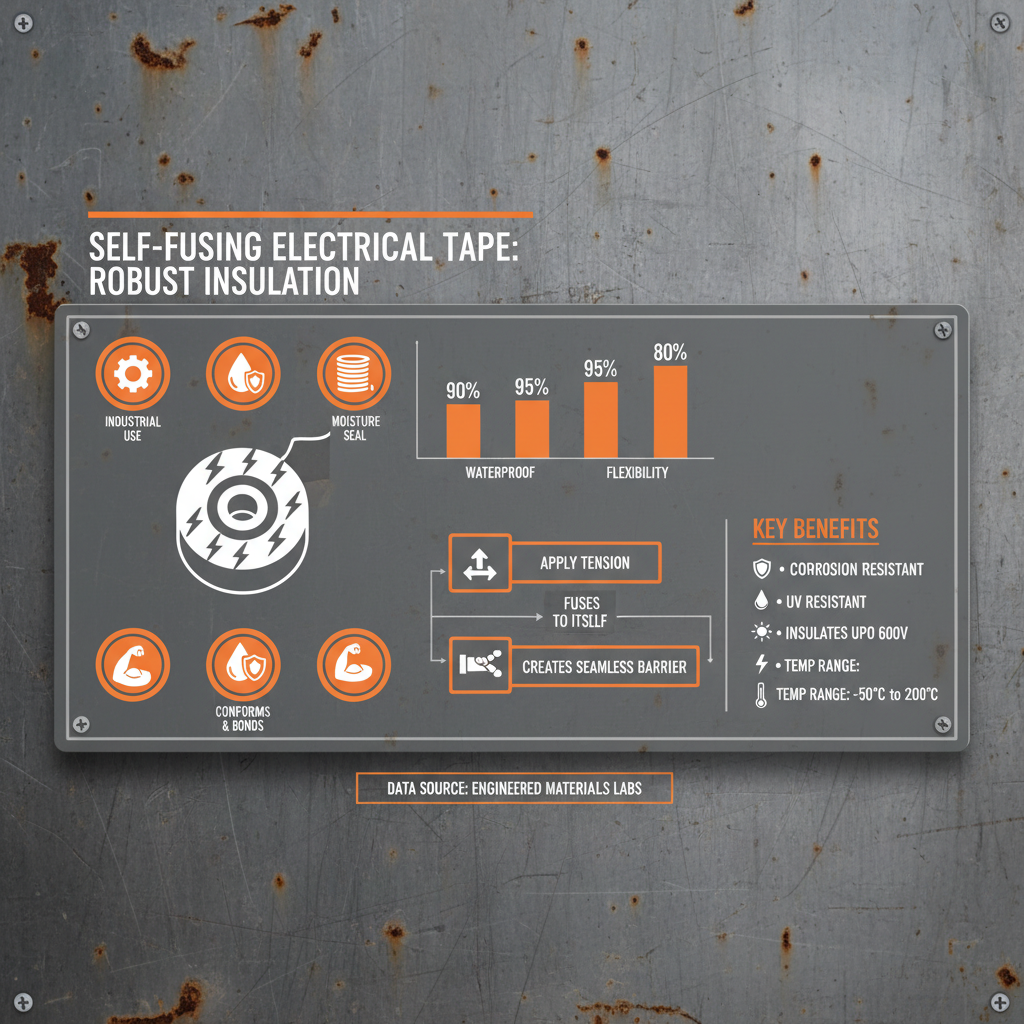
Self fusing electrical tape, also known as amorphous thermoplastic tape, is a specialized type of electrical insulation that differs fundamentally from conventional pressure-sensitive tapes. Instead of relying on adhesive, this tape is composed of a unique blend of ethylene-ethyl acrylate copolymer rubber. When stretched and wrapped around a surface, the material begins to fuse with itself, creating a bond that’s significantly stronger and more resilient than any adhesive-based connection.
This fusion process is initiated by the stretching action, which increases molecular entanglement. As the tape is wrapped, this entanglement intensifies, resulting in a seamless, watertight, and airtight seal. This characteristic is not only beneficial for electrical insulation but also provides excellent protection against corrosion, abrasion, and environmental factors. It addresses fundamental issues in various fields.
The connection to modern industry stems from the increasing need for reliable and long-lasting electrical connections in challenging environments. From the stringent demands of aerospace engineering to the rugged conditions of marine applications, self fusing electrical tape provides a solution where conventional tapes fall short, streamlining maintenance and improving system integrity.
Key Characteristics of Self Fusing Tape
One of the defining features of self fusing electrical tape is its exceptional dielectric strength. This indicates its ability to resist electrical breakdown and effectively insulate conductors, even under high voltage conditions. This is particularly crucial in applications where safety and reliability are paramount, such as industrial machinery and electrical panels.
Furthermore, the tape exhibits remarkable resistance to a wide range of temperatures, maintaining its integrity and insulating properties even in extreme conditions. It can withstand both high heat and freezing temperatures without becoming brittle or losing its adhesive qualities—a significant advantage over conventional tapes that may crack or peel in harsh environments.
Another key characteristic is its moisture resistance. The self-fusing nature of the tape creates a watertight seal, protecting electrical connections from corrosion and short circuits caused by humidity or water exposure. This makes it ideal for marine applications, outdoor electrical installations, and environments prone to moisture. The lack of adhesive also prevents residue build up.
Applications Across Industries
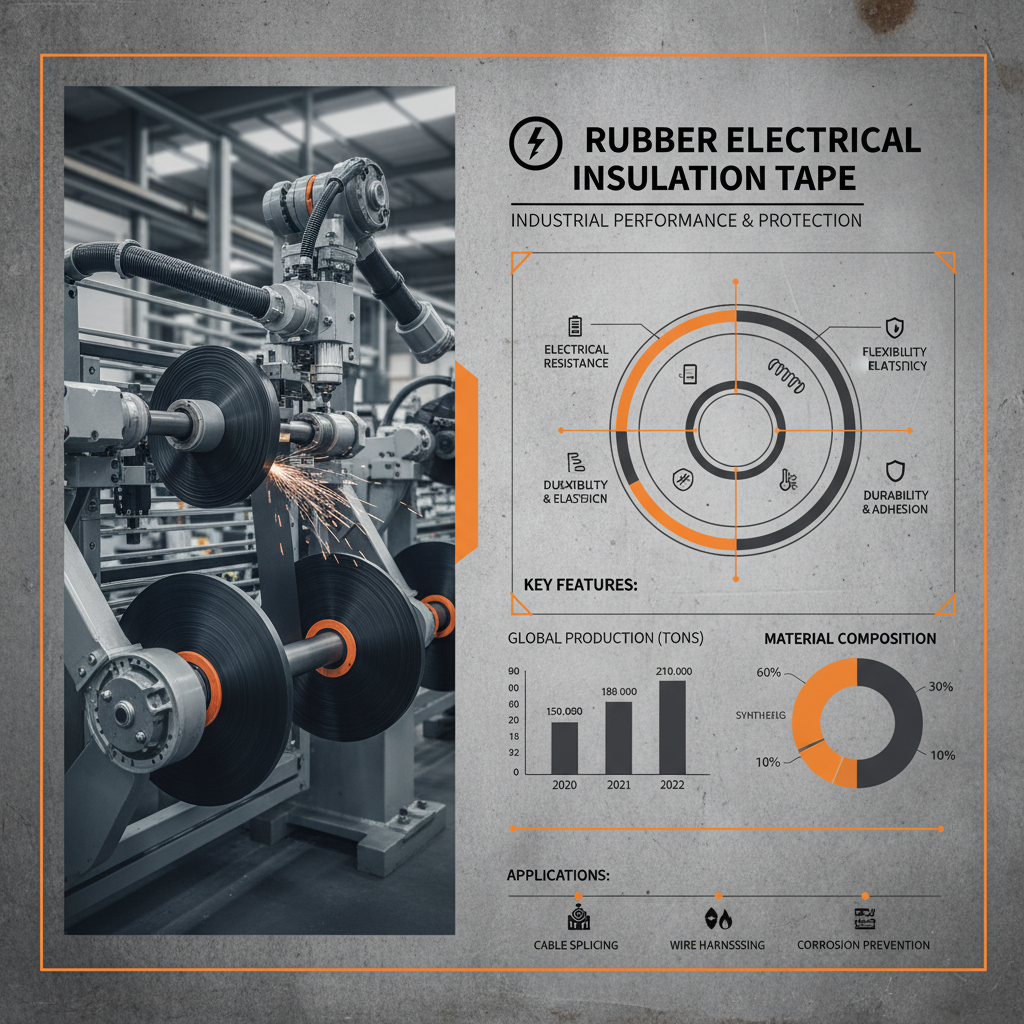
The automotive industry relies heavily on self fusing electrical tape for wiring harness repairs and insulation. Its resistance to vibration, temperature fluctuations, and fluids ensures reliable electrical connections in demanding automotive environments. From simple wire repairs to complex sensor connections, this tape offers a quick and effective solution.
In the marine sector, the tape is used extensively for sealing electrical connections exposed to saltwater and harsh weather conditions. Its waterproof properties prevent corrosion and ensure the safe operation of onboard electrical systems, ranging from navigation equipment to engine controls. It's become a standard item in marine maintenance kits.
Self Fusing Electrical Tape Application Breakdown
Advantages and Long-Term Value
The cost-effectiveness of self fusing electrical tape extends beyond its initial price point. The durability and long-lasting performance reduce the need for frequent replacements, minimizing maintenance costs and downtime. This is particularly valuable in industrial settings where repairs can be expensive and disruptive.
From a sustainability perspective, the tape’s longevity and reduced waste contribute to a smaller environmental footprint. Unlike traditional tapes that require frequent disposal, self fusing tape provides a long-term solution, minimizing landfill waste and resource consumption. The inherent safety features also contribute to a safer working environment.
Future Trends and Innovations
Ongoing research and development efforts are focused on enhancing the properties of self fusing electrical tape, exploring new materials and formulations that offer even greater performance and versatility. This includes investigating bio-based polymers to increase sustainability and improve environmental compatibility.
The integration of smart technologies, such as embedded sensors, is another emerging trend. These sensors could monitor the tape’s performance, detect potential failures, and provide early warnings, enhancing safety and preventing costly downtime. This would align with the broader trend of predictive maintenance in industrial applications.
Challenges and Mitigation Strategies
One potential challenge is the learning curve associated with proper application technique. While seemingly simple, achieving optimal fusion requires a consistent stretching force and wrapping technique. Providing clear instructions and training materials is crucial for ensuring successful application.
Another limitation is its compatibility with certain types of surfaces. While the tape bonds effectively to most common materials, some low-energy surfaces may require surface preparation to ensure adequate adhesion. Addressing this requires recommending appropriate surface primers or cleaning agents.
Finally, maintaining consistent quality control during manufacturing is essential to ensure that each roll of tape meets the required performance standards. Implementing rigorous testing protocols and adhering to industry best practices are key to mitigating this challenge.
Overview of Self Fusing Electrical Tape Performance
| Application Area |
Performance Metric |
Rating (1-10) |
Improvement Potential |
| Automotive |
Vibration Resistance |
9 |
Minor formulation adjustments |
| Marine |
Waterproof Seal |
10 |
N/A |
| Aerospace |
Temperature Tolerance |
8 |
Explore advanced polymer blends |
| Industrial |
Abrasion Resistance |
7 |
Add protective coating layer |
| Emergency Repair |
Ease of Application |
9 |
Develop improved packaging |
| Electronics |
Dielectric Strength |
8 |
Optimize material composition |
FAQS
Self fusing electrical tape distinguishes itself from traditional tapes by eliminating the need for adhesives. Instead of relying on a sticky surface, it bonds to itself through a unique polymer formulation activated by stretching and wrapping. This results in a stronger, more durable, and waterproof seal that’s resistant to temperature variations and environmental factors, offering superior long-term performance and reducing residue buildup.
Absolutely. One of the key benefits of self fusing electrical tape is its exceptional waterproof quality. The fusion process creates a watertight seal, protecting electrical connections from moisture, corrosion, and other environmental hazards. It’s ideal for both permanent outdoor installations and temporary repairs in wet conditions.
Self fusing electrical tape generally maintains its properties within a broad temperature range, typically from -30°C to 85°C (-22°F to 185°F). However, specific temperature limits may vary slightly depending on the exact formulation. It's important to consult the manufacturer’s specifications for precise details.
Proper application involves stretching the tape firmly as you wrap it around the object. The stretching action initiates the fusion process. Overlap each wrap by approximately 50% to ensure a complete seal. Avoid wrinkles and ensure the tape is applied smoothly. Refer to the manufacturer's instructions for detailed guidance.
Self fusing electrical tape possesses good dielectric strength, making it suitable for many electrical applications. However, for extremely high-voltage systems, it’s crucial to verify the tape’s voltage rating and consult with a qualified electrician to ensure it meets safety requirements. Always prioritize safety when working with electricity.
While the bond created by self fusing electrical tape is strong, it can be removed with careful effort. Using a solvent like isopropyl alcohol can help soften the tape, allowing it to be peeled away gradually. Heat may also assist in the removal process, but caution should be exercised to avoid damaging the underlying surface.
Conclusion
In conclusion, self fusing electrical tape represents a significant advancement in electrical insulation technology. Its unique self-bonding properties, exceptional durability, and versatility offer a superior alternative to traditional tapes in a wide range of applications. From automotive and marine industries to emergency repairs and general maintenance, this tape delivers reliable performance and long-term value, reducing costs, improving safety, and minimizing environmental impact.
Looking ahead, continued innovation in materials and application techniques will further enhance the capabilities of self fusing electrical tape. Exploring sustainable formulations and integrating smart technologies holds the potential to revolutionize electrical maintenance and create even more efficient and reliable solutions. To learn more and explore our range of high-quality self fusing electrical tapes, visit our website: www.qiangdatape.com.