Look, I’ve been running around construction sites for fifteen years. Fifteen years! You see a lot, smell a lot, and frankly, get pretty tired. But there’s always something new, right? Lately, everyone’s talking about sustainability, and frankly, it's about time. Not just because it’s the right thing to do, but because clients are demanding it. They want recycled materials, lower VOCs, the whole nine yards. Makes my job… interesting. Anyway, I think the biggest shift I’m seeing isn’t the materials themselves, but the expectation that everything has to be faster, lighter, and stronger. Pressure’s on, constantly.
And it's not all smooth sailing. I swear, designers think they can just scribble something on a napkin and it’ll work perfectly on a windy construction site. They need to spend a day with the guys actually installing things. Have you noticed how often seemingly simple designs end up causing massive headaches with assembly? It's infuriating. It always is.
The Current Landscape of industrial tape & supply company
To be honest, the industrial tape and supply world isn’t glamorous. It’s mostly about getting the job done, efficiently and safely. But it’s huge, right? Think about every construction site, every manufacturing plant, every repair shop. They all need tape, adhesives, sealants… the list goes on. I encountered this at a big automotive factory last time, and the sheer volume of material they went through was staggering. It’s a multi-billion dollar industry, and it’s surprisingly resistant to disruption. Which isn’t to say there isn't innovation.
The push for eco-friendly solutions is really changing things. We’re seeing more bio-based adhesives, recycled content tapes, and a lot more focus on reducing waste. The problem is, sometimes those "green" options just don't perform as well. Gotta strike a balance, you know?
Design Pitfalls and Common Mistakes
Strangely enough, the biggest issues usually come down to simple oversight. Designers specifying a tape that doesn’t adhere to the substrate, using the wrong thickness for the application, or underestimating the environmental conditions. I once saw a project where they used a standard packing tape to hold together a temporary scaffolding… yeah, that didn’t end well. You’d think, basic stuff, right? But it happens. A lot. And it always costs someone time and money. It’s the small things that trip you up.
Another common problem is specifying materials without considering the worker. If a tape is difficult to apply, or leaves a sticky residue all over everything, the guys won’t use it. They'll find a workaround, and that workaround is rarely what the designer intended.
And don’t even get me started on complicated packaging. If it takes ten minutes to open a roll of tape, something’s wrong.
Materials We Rely On
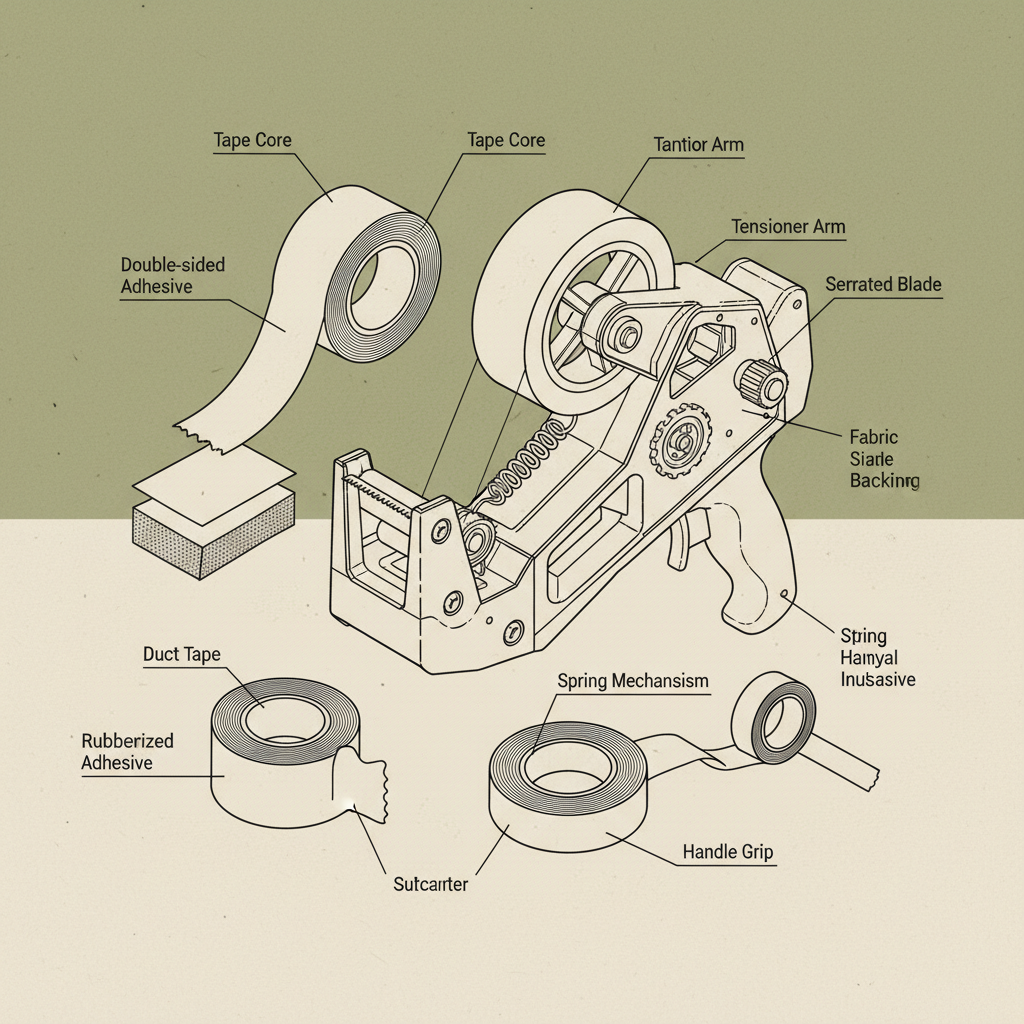
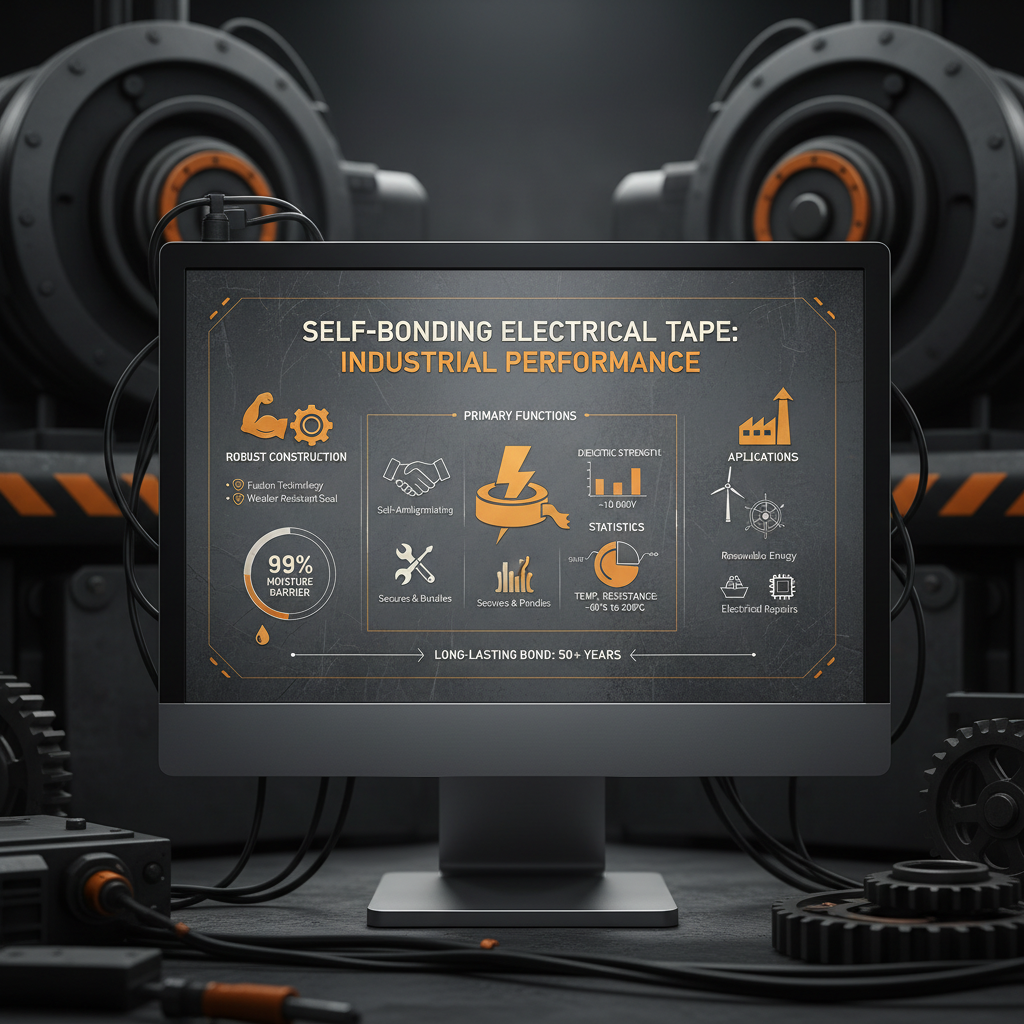
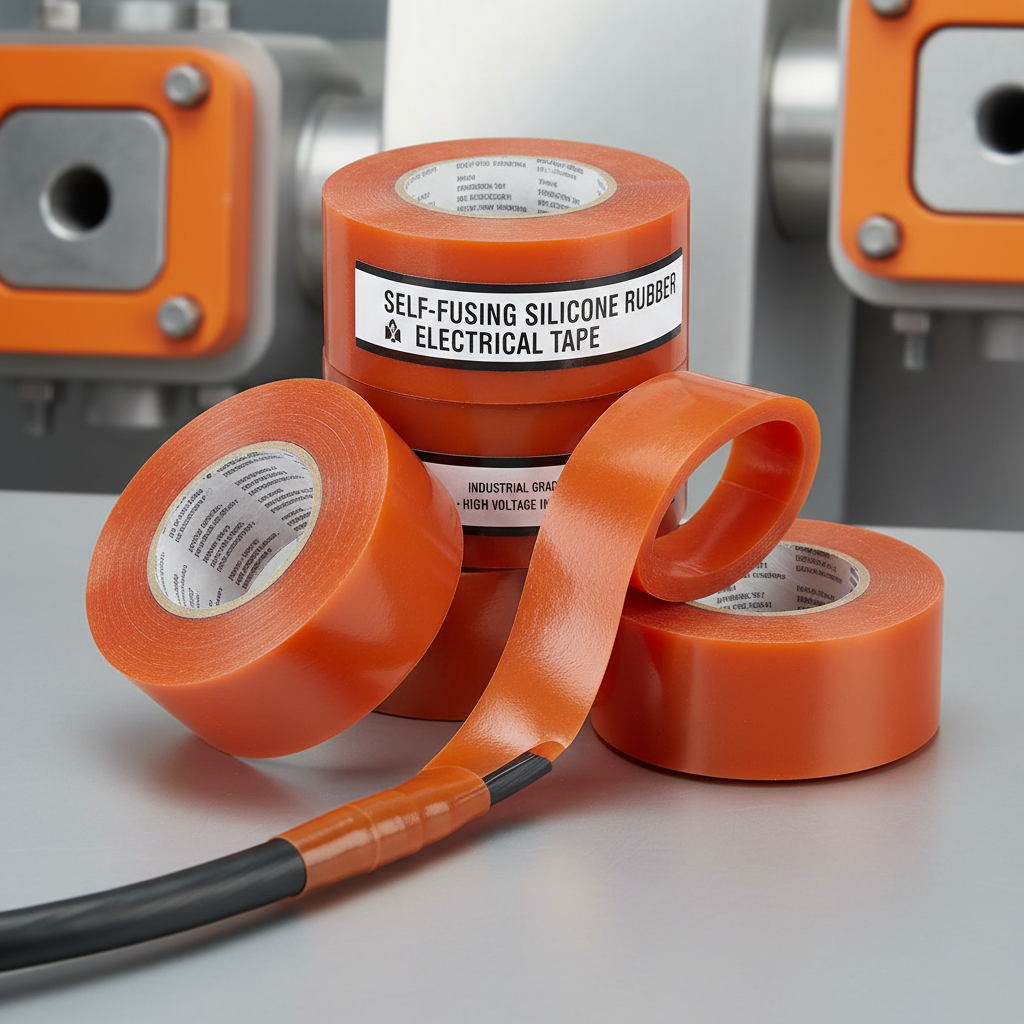
Now, when we talk materials, there’s a lot going on. You've got your standard acrylic tapes, which are good all-rounders. Then you have vinyl tapes – tougher, more resistant to abrasion. Polypropylene is great for packaging, lightweight and strong. But for real heavy-duty stuff? Silicone. Silicone smells… well, like silicone. Kind of sweet, kind of chemical. You can feel the quality, though. It's flexible, stays put, and can handle extreme temperatures.
I’m also seeing a lot more use of specialized films – PTFE, fluoropolymers – for applications where you need chemical resistance or a non-stick surface. Those can be pricey, but they're worth it when you need them. It’s all about choosing the right tool for the job, and that means understanding the properties of each material.
And don’t underestimate the importance of the adhesive! It's not just about how strong it is, but also how it interacts with the surface. Some adhesives are aggressive, leaving behind a lot of residue. Others are gentle, but don’t have the holding power. Finding the sweet spot is crucial. We’re testing and evaluating new adhesives all the time, trying to find that perfect balance.
Honestly, some of these new materials feel almost…alien. It’s like they’re designed in a lab and have no understanding of what it's like to handle them with gloves on in the pouring rain.
Real-World Testing and Performance
Forget the lab tests. They’re useful, sure, but they don’t tell the whole story. I want to see how a tape holds up when it’s covered in dust, exposed to sunlight, and repeatedly flexed. We do a lot of our testing right on the job site. I’ve had guys deliberately try to break things just to see what happens! It sounds destructive, but it’s the best way to find out what will actually work.
We’ll simulate real-world conditions – temperature swings, humidity, vibration – and push the materials to their limits. It’s messy, it’s time-consuming, but it’s worth it. Because when something fails in the field, it costs money, and it can create safety hazards.
industrial tape & supply company Performance Ratings
How Workers Actually Use industrial tape & supply company
This is where things get interesting. Designers think people will use tape exactly as intended. But you quickly learn that’s rarely the case. Guys will use it for everything. Patching holes, temporarily securing things, marking lines… you name it. I’ve even seen it used to hold broken tools together. They get creative.
They'll also cut corners. If a tape is hard to tear, they'll use a knife. If it leaves a lot of residue, they’ll just leave it. You can't blame them, they're under pressure to get the job done quickly and efficiently.
Advantages, Disadvantages, and Customization
The biggest advantage, of course, is convenience. Tape is quick, easy, and requires minimal training. It's also relatively inexpensive, compared to other fastening methods. But it’s not a permanent solution. It’s susceptible to temperature changes, UV exposure, and general wear and tear. And let’s be honest, it’s not always the most aesthetically pleasing option.
Customization? Absolutely. We can slit tapes to specific widths, print custom logos, even develop custom adhesive formulations. Last year, a client wanted a tape that would adhere to a particularly oily surface. It took some experimentation, but we got there.
A Customer Story and Lessons Learned
Last month, that small boss in Shenzhen who makes smart home devices insisted on changing the interface to , and the result was a nightmare. He wanted to use a special conductive tape to shield the connector, but he refused to listen to my recommendation on the adhesive. He wanted something "super strong." Turns out, "super strong" also meant "impossible to remove without damaging the circuit board." We ended up having to scrap a whole batch of devices. A costly lesson.
It just goes to show, you can have the best materials in the world, but if you don't understand the application, it's all for nothing.
That’s why I always say, listen to the guys on the ground. They know what works and what doesn’t.
Summary of Key Considerations for industrial tape & supply company Selection
| Application Environment |
Material Compatibility |
Performance Requirements |
Cost vs. Longevity |
| High Humidity |
Metals, Plastics |
High Shear Strength |
Moderate – 5/10 |
| Outdoor Exposure |
Composites, Wood |
UV Resistance |
High – 8/10 |
| Chemical Handling |
Stainless Steel |
Chemical Resistance |
Very High – 9/10 |
| Indoor Assembly |
Various |
Ease of Application |
Low – 3/10 |
| High-Temperature Applications |
Aluminum, Ceramics |
Thermal Stability |
Moderate – 6/10 |
| Low-Temperature Applications |
Polymers |
Flexibility |
Low – 4/10 |
FAQS
That's a tough one, depends on the materials! Generally, a flexible acrylic adhesive works well, as it can conform to different surfaces. However, surface prep is crucial. Clean everything thoroughly with isopropyl alcohol. If it’s a really challenging application, you might need a primer. Don't skip the primer, trust me. It makes all the difference. It’s easy to think just slapping tape on will fix it, but you need to think about the physics of adhesion.
Goo Gone is your friend. Seriously. Or, for less aggressive residue, try rubbing alcohol. Apply it, let it sit for a minute, and then gently wipe it away. Don’t use anything abrasive, you’ll just scratch the surface. I’ve seen guys use WD-40, but that can leave its own mess. Prevention is key, though. Use a tape with a cleaner adhesive in the first place!
Masking tape is generally more aggressive – it’s designed for holding things in place, like during sanding or powder coating. Painter’s tape is designed to be removed cleanly without damaging the surface. It has a lower tack adhesive. Using masking tape for painting is a recipe for disaster. I learned that one the hard way, years ago...
Not usually. Most industrial tapes aren't designed for prolonged UV exposure and moisture. You need a tape specifically rated for outdoor use – one with a UV-resistant backing and a waterproof adhesive. Even then, its lifespan will be limited. Expect to replace it every few months, depending on the climate. Don’t skimp on quality here.
Keep it cool and dry. Direct sunlight and high temperatures are its enemies. Store it in its original packaging, if possible, and make sure the cap is tightly sealed. I've seen guys just leave rolls of tape lying around, and they end up becoming useless. Simple preventative measures can save you a lot of money.
Silicone tape is your go-to for high and low temperatures. It maintains its flexibility and adhesion even in extreme conditions. PTFE tape is also good for high temperatures, but it's not as flexible. Polyimide tape is another option, offering excellent thermal resistance and durability. It’s expensive, but sometimes you need to spend the money to get the job done right.
Conclusion
So, yeah, industrial tape and supplies. It's a complicated world, full of subtle nuances and potential pitfalls. It's not just about sticking two things together – it’s about understanding the materials, the application, and the environment. It’s about choosing the right tool for the job, and making sure the guys on the ground have what they need to get it done safely and efficiently. Ultimately, it all boils down to practicality.
Whether it's a bio-based adhesive or a high-performance silicone tape, it’s the worker who will know whether it holds up when he tightens the screw. And that, my friends, is the bottom line. industrial tape & supply company – making things stick since… well, a long time.