
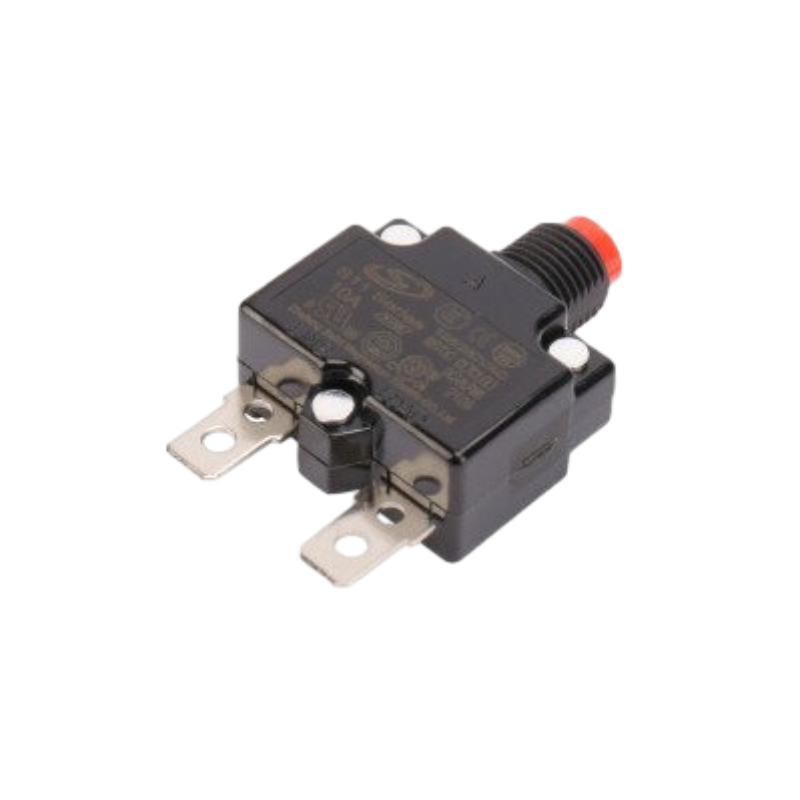
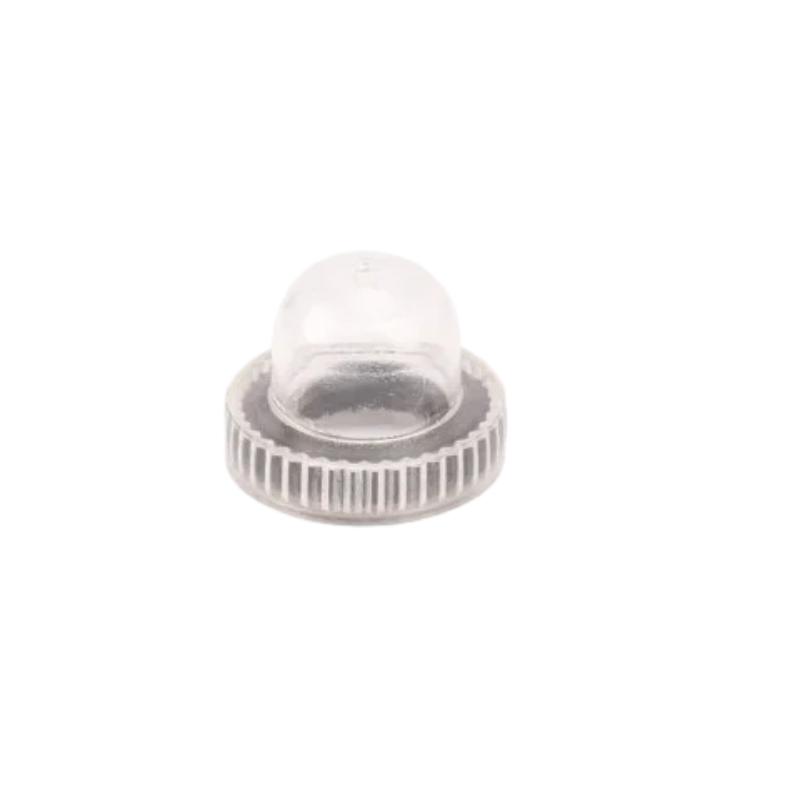
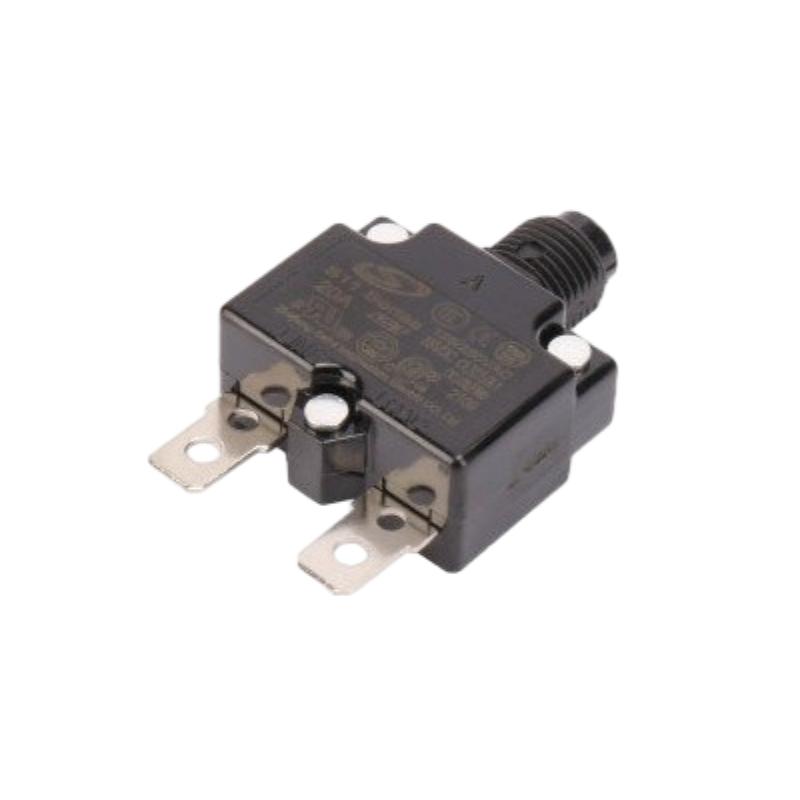
If you work anywhere near power distribution for small appliances or outdoor equipment, you’ve probably seen an Overload Protector with waterproof cap tucked beside a motor or battery pack. It’s one of those humble components that quietly saves gear from meltdown. I’ve toured factories that build these—surprisingly meticulous work, especially around the sealing cap and bimetal calibration.
Why this matters now
Electrification is moving outdoors: garden tools, portable power, marine accessories, even compact EV auxiliaries. The twist? Moisture and dust. A Overload Protector with waterproof cap gives you thermal protection and resetability with splash resistance—without the replacement hassle of fuses. Many customers say resettable protection cuts field service calls by a lot, which tracks with what I’ve seen in warranty data.
Key Specifications (summary)
| Rated Current | 3A–30A / 5A–50A (models vary) |
| Rated Voltage | UL: ≤50 VDC; TUV & CSA: 125/250 VAC / 65 VDC |
| Frequency | 50/60 Hz |
| Materials | Bimetal, metal, Bakelite, plastic |
| Reset Type | Manual push reset / Automatic reset |
| Withstand Voltage | 1500 VAC, 1 min |
| Leakage Current | ≤0.5 mA |
| Insulation Resistance | ≥100 MΩ @ 500 VDC, 1 min |
| Breaking Capacity | 6× rated current |
| Short-Circuit Capacity | 125 VAC/1000 A; 250 VAC/1000 A |
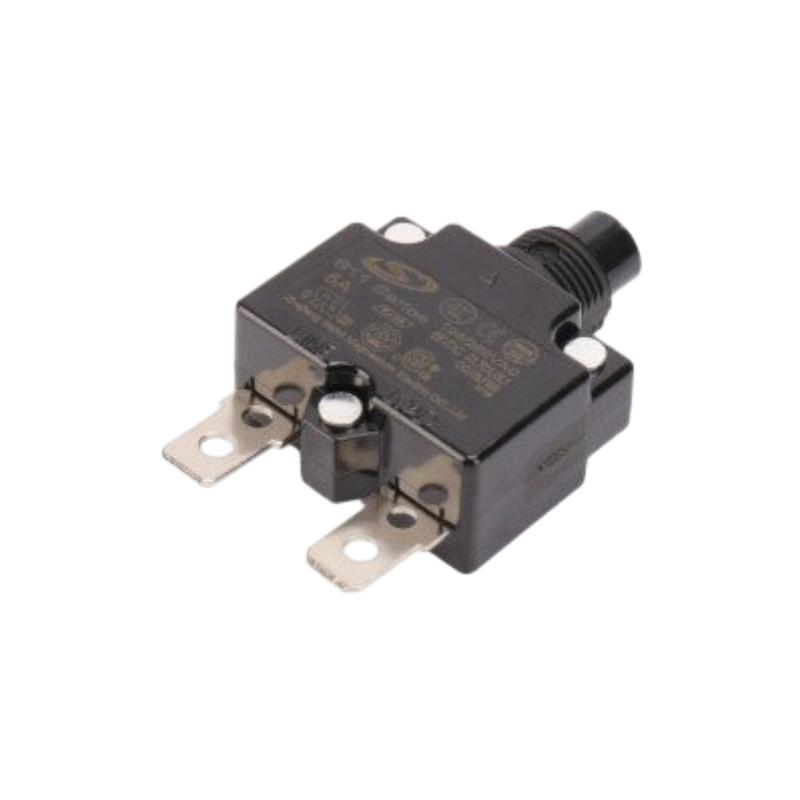
| Button Colors | Black / Red / White |
Where it’s used
- Outdoor power tools and garden equipment
- Marine accessories and bilge pumps
- HVAC blower motors and condensate pumps
- Portable generators, inverters, UPS, battery boxes (≤65 VDC)
- Industrial control panels and lighting towers
Origin: OFFICE BUILDING OF MANAGEMENT COMMITTEE OF SHIZISHAN HIGH-TECH ZONE, TONGLING, ANHUI, CHINA. It’s a cluster with decent supply-chain depth; logistics are predictable, which helps.
Process flow, testing, and service life
- Materials: calibrated bimetal disc, copper alloy terminals, Bakelite housing, molded cap.
- Methods: precision stamping, riveting, spring setting, ultrasonic welding, cap assembly.
- QC checkpoints: contact resistance, trip-time at 200% In, dielectric 1500 VAC/1 min, IR ≥100 MΩ.
- Environmental: humidity soak and thermal cycling (real-world use may vary); splash tests per IEC 60529 procedures when specified.
- Service life: around ≥5,000 manual resets at rated load in typical factory QA (application-dependent).
- Standards reference: UL 1077, IEC 60934 (equipment protectors); CSA C22.2; IP testing defined by IEC 60529.
Vendor snapshot: what to look for
| Vendor | Seal quality | Docs & traceability | Customization | Lead time ≈ |
|---|---|---|---|---|
| Qiangda (factory) | Consistent cap fit; stable trip curve | Spec sheet + lot tracking | Colors, current, terminals, logos | 2–4 weeks |
| Generic import | Variable; check gasket | Basic COA, limited | Limited SKUs | 4–8 weeks |
| Local assembler | Good but costlier | Strong documentation | Flexible | 1–3 weeks |
Customization & integration tips
- Current rating calibration to your motor inrush profile.
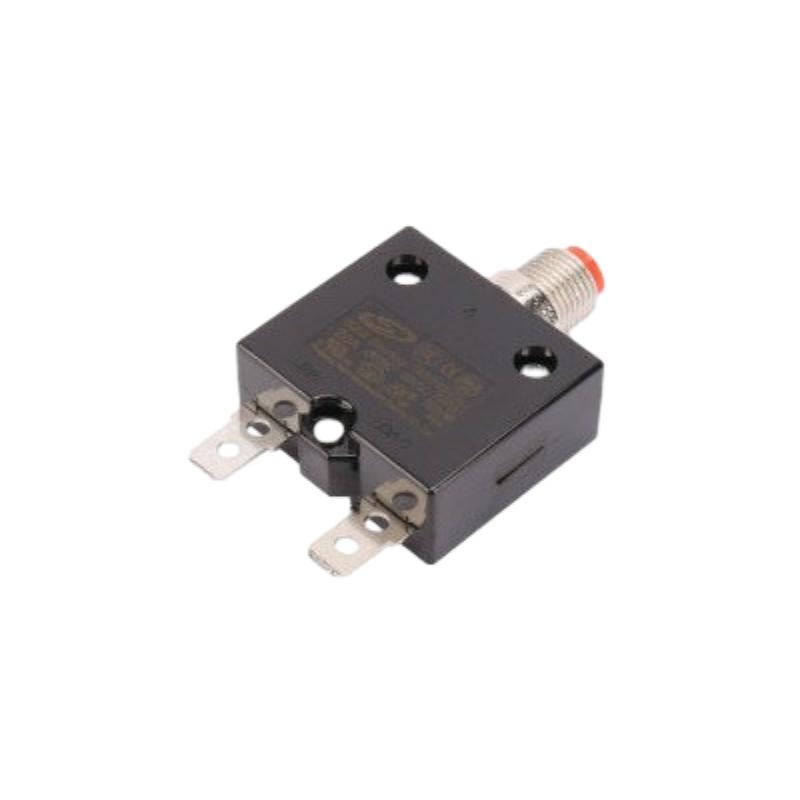
- Button color coding (red for manual reset visibility).
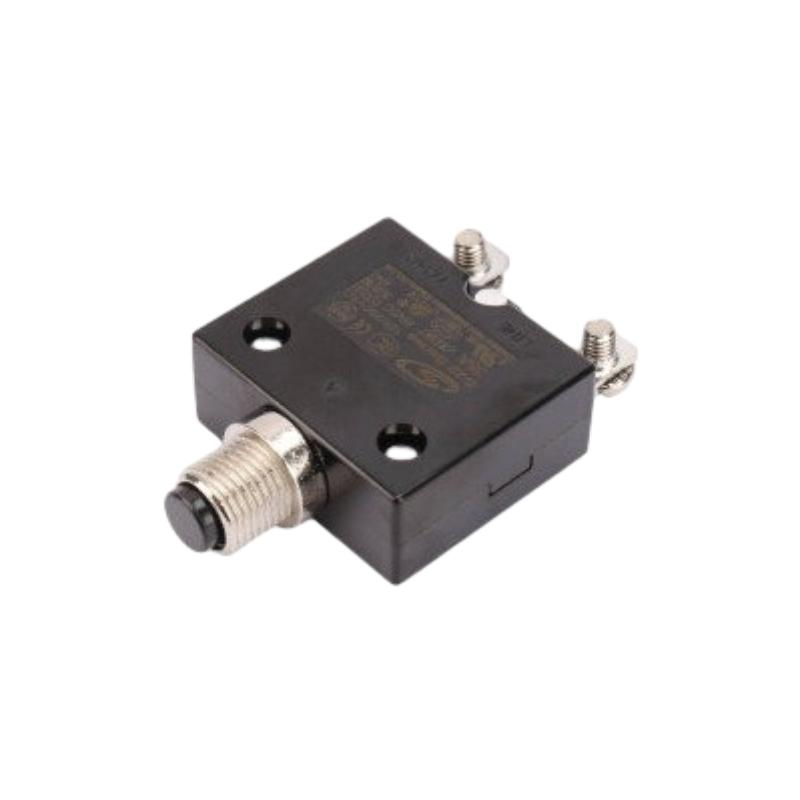
- Terminal choice: screw, blade, wire leads; potting if needed.
- Cap options: tethered cap, gasket hardness per climate zone.
- Labeling/laser mark for SKU and date code.
Field note: one lawn-and-garden OEM swapped fuses for a Overload Protector with waterproof cap; returns dropped ≈18% over two seasons, mainly from users who previously over-fused. Not scientific, but telling.
Compliance pointers
For North America, target UL 1077 recognition where applicable; in the EU, check IEC 60934 alignment. If you require ingress ratings, specify testing to IEC 60529 (the cap helps but the final IP grade depends on panel design). And, to be honest, ask for recent lab reports—don’t rely on old PDFs.
References
-
Industrial Fire Proof Tape Guide for High Temperature ProtectionNewsApr.16,2026
-
Ultimate Guide to Fireproof Tape Protection and ApplicationsNewsApr.09,2026
-
Exploring Black Tack Butyl Applications and Benefits for Optimal SealingNewsApr.07,2026
-
Comprehensive Guide to Black Butyl Rubber Tape Applications and BenefitsNewsApr.04,2026
-
Comprehensive Guide to High Power Butyl Waterproof Tape ApplicationsNewsMar.31,2026
-
Comprehensive Guide to 360tronics Butyl Waterproof Tape for Airtight and Watertight SealsNewsMar.28,2026