
PlB Self-Amalgamating Tape: what’s changing, what still matters
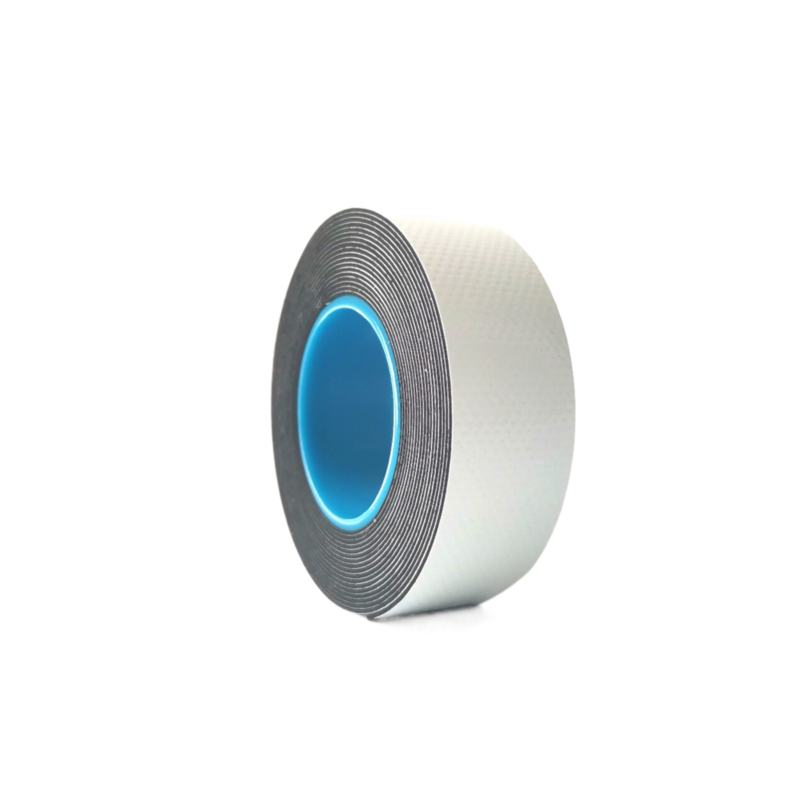
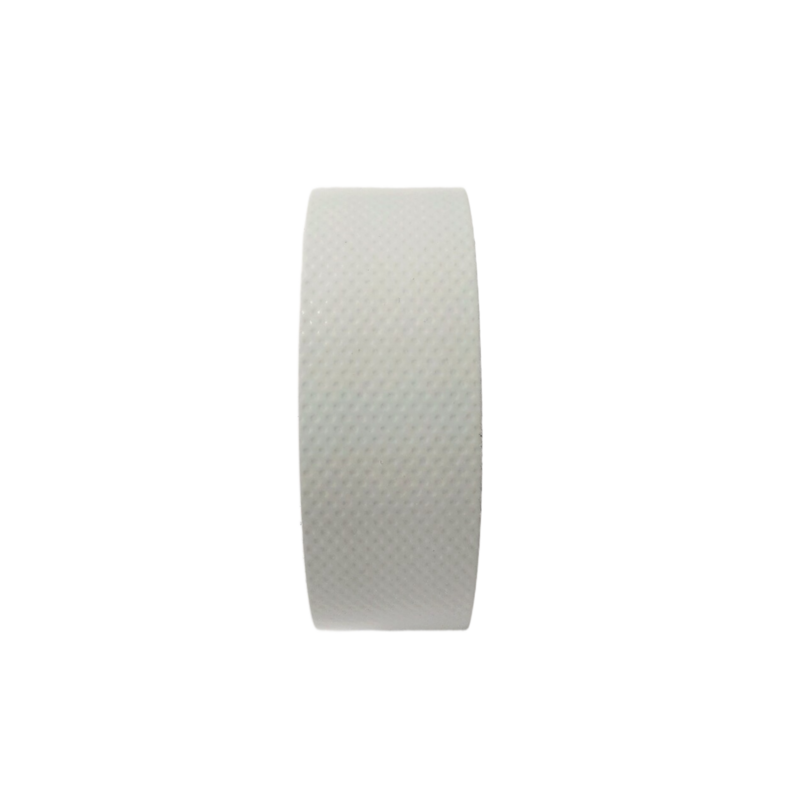
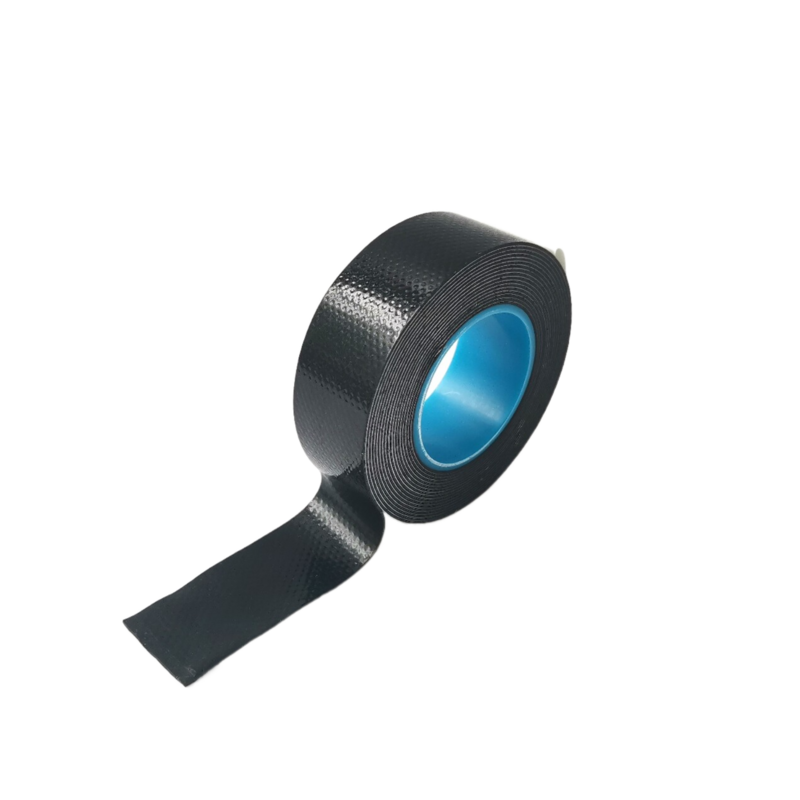
If you work around power or data cabling long enough, you know the quiet hero is often the humble Self Amalgamating Tape. To be honest, I’ve watched enough field crews in rain, dust, and sweltering substations to see why: when it fuses right, it seals right. Here’s my field-notes take on the PlB self-amalgamating Tape (code: XF-SCP) from Tongling, Anhui—polyisobutylene (PIB) rubber, black, high-voltage rated, and, surprisingly, more customizable than many expect.
What it is and where it’s from
Origin: OFFICE BUILDING OF MANAGEMENT COMMITTEE OF SHIZISHAN HIGH-TECH ZONE, TONGLING, ANHUI, CHINA. PIB rubber insulates, self-fuses without adhesive, and shrugs off UV, chemicals, and moisture. Many customers say it’s a “wrap once, forget it” fix—within reason. In fact, for splices up to medium/high voltages, Self Amalgamating Tape is often the first line of defense before the mastic and overwrap layers come out.
Product snapshot: key specs (real-world use may vary)
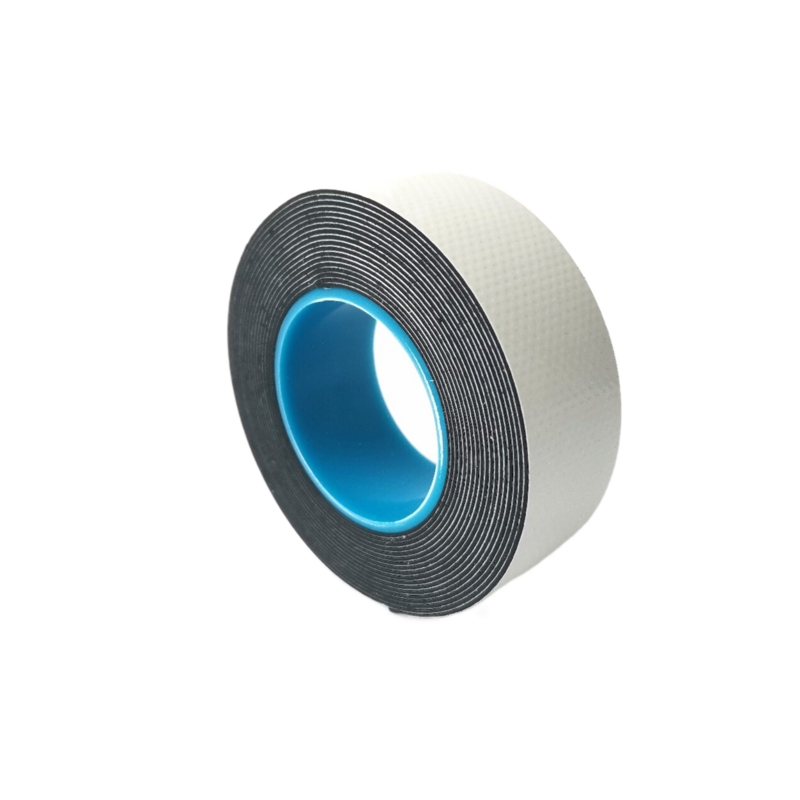
| Material | Polyisobutylene (PIB) rubber, black |
| Thickness | ≈ 0.76 mm (other options on request) |
| Dielectric strength | ≈ 25–35 kV/mm (ASTM D149) |
| Elongation at break | ≈ 800–1000% (ASTM D412) |
| Operating temp. | -40 to +90°C continuous; up to 130°C short-term |
| Water/UV resistance | Excellent (ISO 4892-2 UV exposure indicative) |
| Certifications | ISO 9001 facility, RoHS/REACH compliant |
Where it’s used (and what crews report)
- Medium/high-voltage cable splicing, termination stress cones
- Substation jumpers, busbar joints, and outdoor antenna feeds
- Marine, mining, solar combiner boxes—anywhere weather bites
Feedback: installers like the quick self-fusion—no sticky residue, neat overwrap. Some note it’s forgiving in cold weather if pre-warmed in a pocket. However, surface prep still matters (clean, dry, slight stretch).
Process flow: how it’s made and verified
- Materials: high-purity PIB compound, anti-UV and anti-aging package.
- Methods: calendaring to thickness, interleaf liner, precision slitting.
- Testing: dielectric (ASTM D149), tensile/elongation (ASTM D412), shore hardness (ASTM D2240), UV (ISO 4892-2), water tightness (pressure soak), partial discharge checks per IEC practices.
- Service life: ≈ 20+ years in sheltered installs; 10–15 years outdoors under strong UV, depending on wrap quality and overjacketing.
- Standards reference: IEC 60454 series for electrical tapes; utility specs vary by region.
Vendor landscape: how this stacks up
| Vendor / Product | Core spec | Certs | Lead time | Customization |
| Qiangda, PlB self-amalgamating Tape (XF-SCP) | PIB, ≈0.76 mm, high-voltage | ISO 9001, RoHS/REACH | ≈ 2–4 weeks | Widths, thickness, branding |
| 3M 23 Rubber Splicing | PIB, 0.76 mm, utility-grade | UL 510, RoHS | Stock-dependent | Limited |
| Nitto No.15/No.31 | Self-fusing rubber, HV | ISO, RoHS | ≈ 3–5 weeks | Regional |
Applications, advantages, and a couple of quick cases
Advantages: high dielectric strength, fast self-fusion, conformability over irregular shapes, and no adhesive cold flow. The Self Amalgamating Tape is also friendly for rework—just cut and peel.
- Case 1: Wind farm junction boxes—technicians reported zero moisture ingress after one monsoon season when PIB wrap was over-jacketed with PVC.
- Case 2: Mining pump cables—after 9 months, IR thermography showed stable temperatures at splices vs. earlier adhesive-tape remedies.
Customization and ordering notes
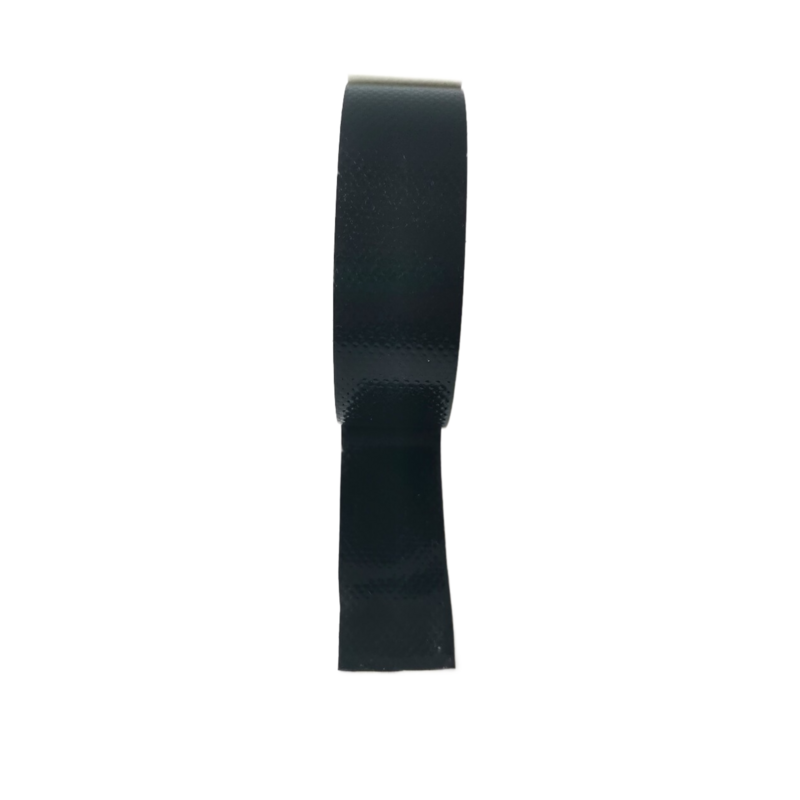
Widths (19/25/38 mm typical), rolls per carton, private label, and liner prints are available; minimums vary. For critical voltage classes, ask for test data aligned with IEC 60454 and dielectric reports (ASTM D149). Honestly, a quick sample roll in your own splice kit tells you more than any datasheet.
References
- IEC 60454-3-8: Rubber tapes for electrical purposes – Self-fusing, non-adhesive.
- ASTM D149: Standard Test Method for Dielectric Breakdown Voltage and Dielectric Strength of Solid Electrical Insulating Materials.
- ISO 4892-2: Plastics — Methods of exposure to laboratory light sources — Xenon-arc lamps.
- UL 510: Electrical Tape (applicable to certain rubber tapes for comparison).
- RoHS Directive (EU) 2011/65/EU and amendments.
-
Industrial Fire Proof Tape Guide for High Temperature ProtectionNewsApr.16,2026
-
Ultimate Guide to Fireproof Tape Protection and ApplicationsNewsApr.09,2026
-
Exploring Black Tack Butyl Applications and Benefits for Optimal SealingNewsApr.07,2026
-
Comprehensive Guide to Black Butyl Rubber Tape Applications and BenefitsNewsApr.04,2026
-
Comprehensive Guide to High Power Butyl Waterproof Tape ApplicationsNewsMar.31,2026
-
Comprehensive Guide to 360tronics Butyl Waterproof Tape for Airtight and Watertight SealsNewsMar.28,2026