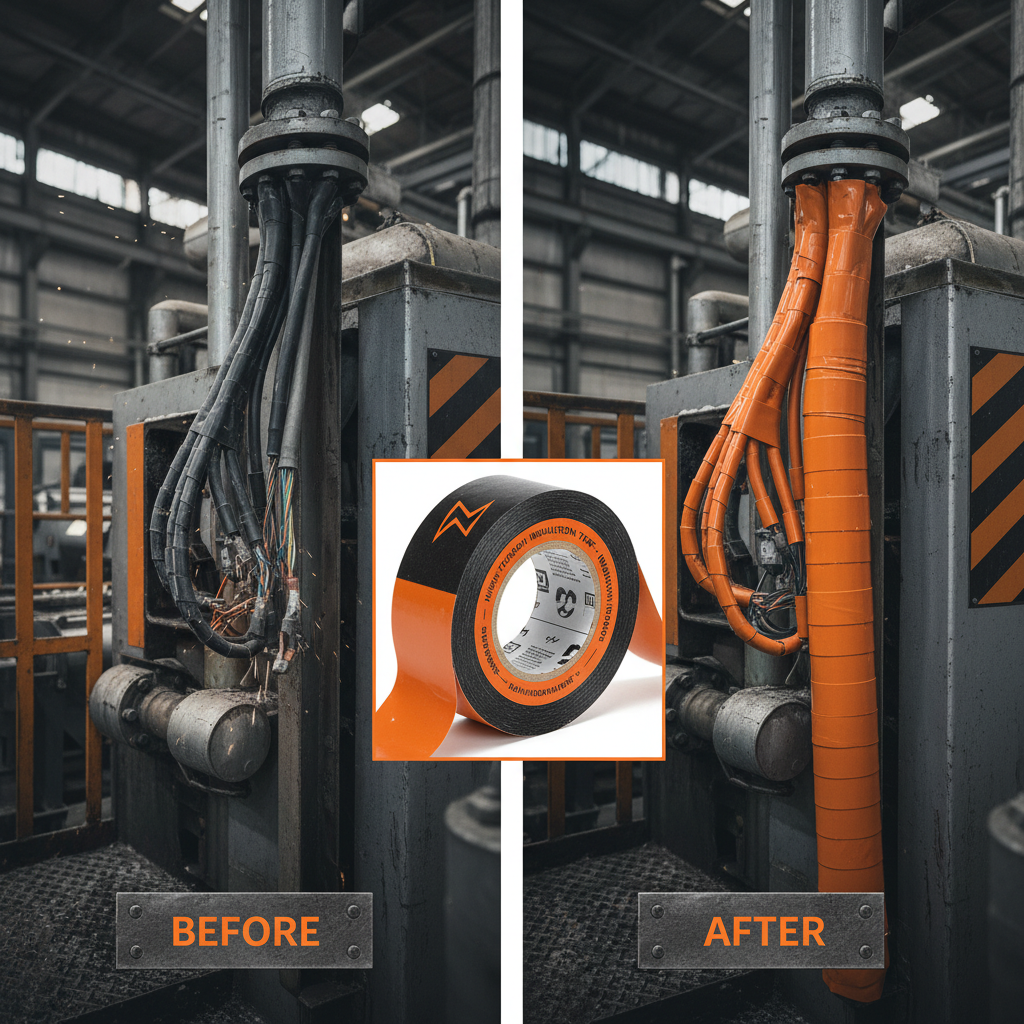
Look, I’ve spent the last fifteen years crawling around construction sites, getting dust in my teeth, and talking to the folks who actually build things. And if there's one thing I've learned, it's that reliable electrical insulation isn't a detail, it's the foundation of everything. We're talking about safety, uptime, and preventing headaches that cost serious money. That's where high tension insulation tape comes in. It’s not glamorous, but it's absolutely critical for keeping projects running smoothly and, frankly, keeping people safe.
You see a lot of shortcuts taken in this industry, and that's understandable – deadlines, budgets, pressure from above. But skimping on insulation is a fool’s errand. A failure here doesn’t just mean downtime; it can lead to fires, equipment damage, and potential injury. Good high tension insulation tape isn’t just about meeting code, it’s about building something that lasts and protecting the investment.
It’s also evolving. The demands on modern electrical systems are increasing exponentially – more power, tighter spaces, harsher environments. The tape of ten years ago just doesn’t cut it anymore. We’re seeing innovations in materials, adhesion, and durability that are making a real difference on the job site, and that's what I want to talk about.
The Importance of High Tension Insulation Tape
We're talking about more than just wrapping wires. High tension insulation tape is a safety net, a preventative measure against catastrophic failure. Globally, power outages and electrical accidents cost billions annually, and a significant portion of those are directly attributable to inadequate insulation. The UN’s Sustainable Development Goal 7 – Affordable and Clean Energy – is directly impacted by the reliability of our electrical infrastructure, and reliable tape plays a vital role.
I’ve seen first-hand the devastation a compromised electrical system can cause, from small business disruptions to large-scale industrial shutdowns. It’s not just about the financial losses; it’s about the ripple effect on communities and economies. Investing in quality high tension insulation tape isn’t an expense, it's insurance.
Defining High Tension Insulation Tape
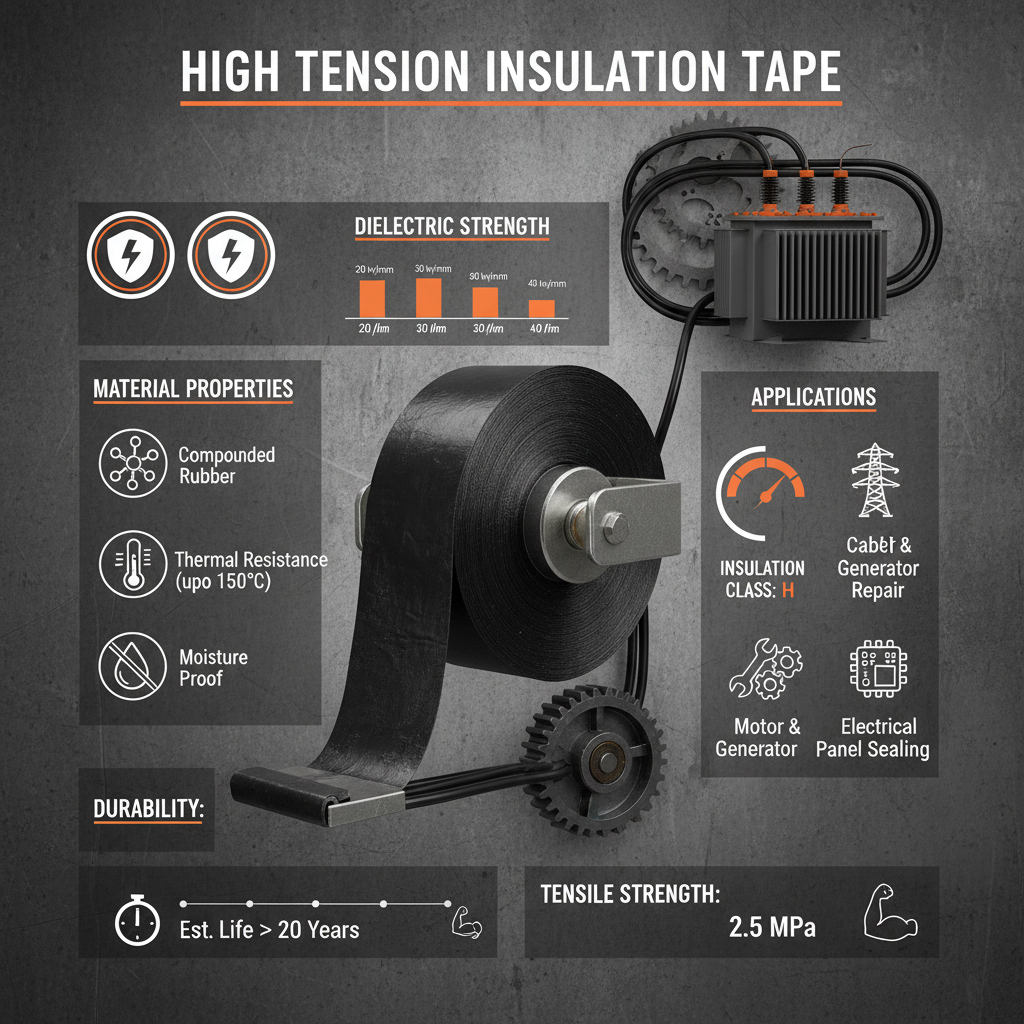
Simply put, high tension insulation tape is a pressure-sensitive tape specifically designed to provide electrical insulation in high-voltage applications. It’s usually made from a synthetic material – PVC, rubber compounds, or specialized polymers – and often reinforced with a fabric backing for added strength and durability.
Its connection to modern industry is undeniable. Everything from power generation and transmission to manufacturing and telecommunications relies on effectively insulated electrical systems. It's the silent workhorse that keeps the lights on, the factories running, and the data flowing.
Increasingly, it's also becoming crucial in humanitarian efforts. Providing temporary power solutions in disaster zones requires robust, reliable insulation to ensure safety and prevent further complications in already chaotic situations. Think field hospitals, emergency communications, and basic infrastructure restoration – tape is often one of the first things needed.
Key Factors for Effective Insulation
First, and foremost, it's about dielectric strength – the tape’s ability to resist electrical breakdown. You need a tape that can handle the voltage levels it's rated for, and then some. Next is environmental resistance. UV exposure, temperature fluctuations, moisture, and chemicals can all degrade insulation over time, so the tape needs to be able to withstand those conditions.
Then you’ve got conformability. A good tape needs to wrap smoothly around irregular shapes and maintain consistent insulation thickness. Creases and gaps are points of weakness. Finally, adhesion is critical. It needs to stick firmly to the substrate, even in harsh environments, without leaving a sticky residue that attracts dirt and contaminants.
And don't underestimate flame retardancy. In many applications, a self-extinguishing tape can be the difference between a minor incident and a full-blown fire. We’re talking about protecting lives and property.
Global Applications of High Tension Tape
You'll find high tension insulation tape everywhere electricity flows. In power plants and substations, it’s used to insulate busbars, transformers, and switchgear. In industrial facilities, it protects cables, splices, and terminations.
In remote industrial zones, like oil rigs or mining operations, where access to specialized repair crews is limited, reliable tape is often the only solution for quick and effective repairs. Similarly, in post-disaster relief operations, it’s used to restore power to critical infrastructure and provide temporary electrical connections.
High Tension Insulation Tape Application Ratings
Advantages and Long-Term Value
The tangible benefits are clear: reduced downtime, lower maintenance costs, and improved safety. Using high-quality tape means fewer failures, fewer repairs, and less risk of accidents. But it goes beyond just cost savings. A reliable electrical system fosters trust and confidence – among employees, customers, and stakeholders.
From a sustainability perspective, extending the lifespan of electrical equipment with effective insulation reduces waste and minimizes the need for frequent replacements. It's a small but significant contribution to a more responsible and circular economy.
Future Trends and Innovations
We’re seeing a move towards self-healing insulation materials, which can automatically repair minor damage and extend the lifespan of the tape. There's also a lot of research going into bio-based and biodegradable insulation materials, driven by the demand for more sustainable solutions.
Smart tape, incorporating sensors to monitor temperature, voltage, and other parameters, is another emerging trend. This allows for predictive maintenance and early detection of potential failures. And with the rise of digital twin technology, we’ll be able to simulate the performance of insulation materials under various conditions, optimizing their design and application.
Challenges and Solutions
One of the biggest challenges is proper application. Even the best tape will fail if it’s not applied correctly. That’s why training and certification programs are so important. We need to ensure that technicians have the skills and knowledge to install the tape properly.
Another challenge is counterfeit products. There's a lot of cheap, low-quality tape flooding the market that doesn’t meet safety standards. Sourcing from reputable suppliers and verifying product authenticity are crucial. Finally, constantly evolving standards and regulations require ongoing monitoring and adaptation.
The solution? Focus on comprehensive quality control, rigorous testing, and continuous improvement. And always listen to the folks on the ground – the electricians, the engineers, the maintenance crews. They're the ones who know what works and what doesn’t.
Briefly summarize the core of "Theme Seven"
| Application Environment |
Tape Material |
Performance Rating (1-10) |
Maintenance Frequency |
| Power Generation Plants |
Cross-linked Polyethylene (XLPE) |
9 |
Annual |
| Industrial Manufacturing |
Vinyl (PVC) |
7 |
Semi-Annual |
| Remote Oil & Gas Sites |
Rubber-Based Compound |
8 |
Bi-Annual |
| Data Centers |
Fluoropolymer |
10 |
Quarterly |
| Disaster Relief Operations |
Self-Amalgamating Tape |
6 |
As Needed |
| Marine Applications |
Waterproof Silicone Rubber |
8 |
Annual |
FAQS
Standard electrical tape is generally designed for low-voltage applications, like wiring in homes. High tension tape, on the other hand, is built to withstand significantly higher voltages found in industrial and power distribution settings. It uses different materials and construction techniques to prevent electrical breakdown and ensure safety. You’ll see a big difference in dielectric strength and environmental resistance.
The lifespan really depends on the environment and the specific tape material. Generally, a well-maintained application can last anywhere from 5 to 15 years. UV exposure, temperature extremes, and physical abrasion will shorten the lifespan. Regular inspections and preventative maintenance are key to maximizing its longevity and preventing failures.
You can, but it’s usually overkill and often more expensive than standard electrical tape. It won’t hurt anything, but you’re paying for features you don’t need. Standard tape is perfectly adequate for most household wiring. High tension tape is really designed for applications where voltage and reliability are critical.
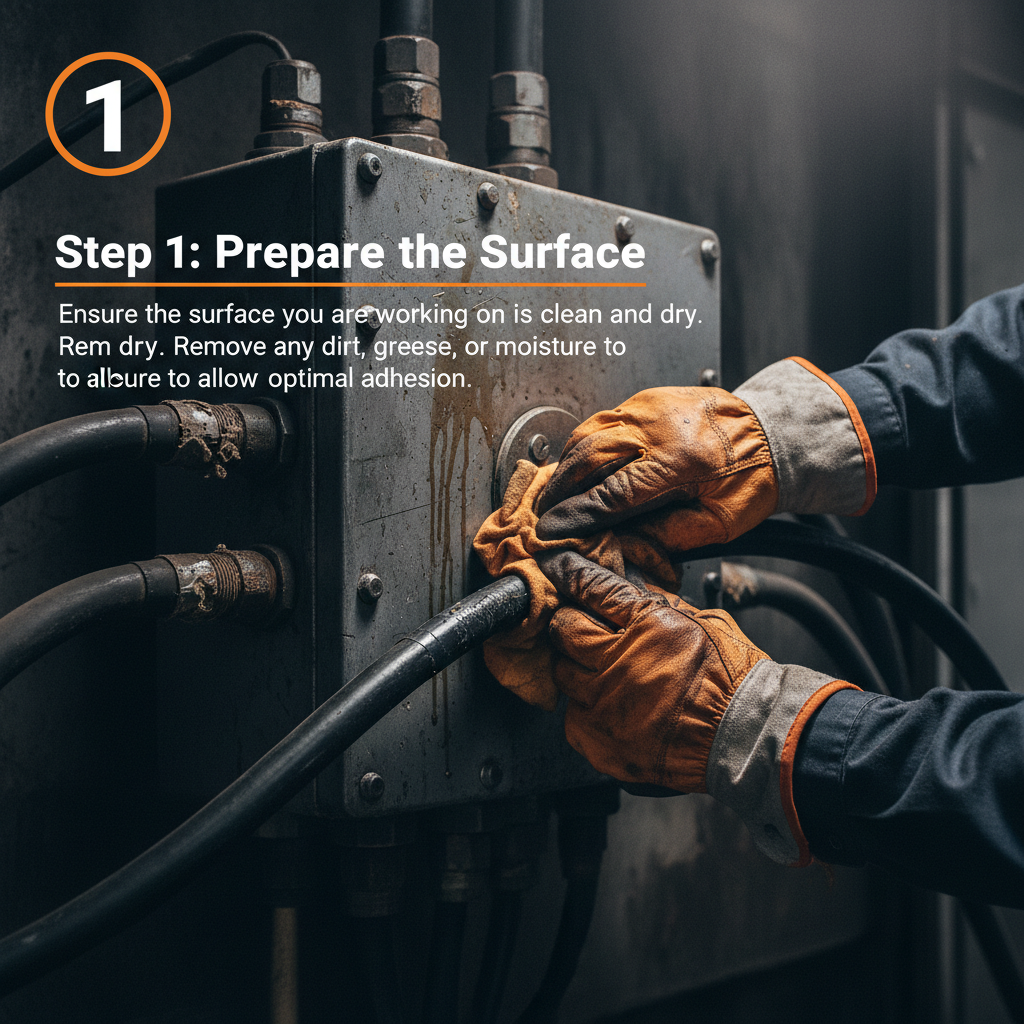
Surface preparation is key. The surface needs to be clean, dry, and free of contaminants. Apply the tape with consistent tension, overlapping each layer by at least 50%. Avoid wrinkles and air pockets. And always follow the manufacturer's instructions for the specific tape you're using. Proper technique makes all the difference.
Always de-energize the electrical system before working on it. Wear appropriate personal protective equipment (PPE), including insulated gloves and safety glasses. And if you're not qualified to work with high-voltage electricity, don't attempt it. Safety is paramount.
Look for established distributors with a proven track record and a reputation for quality. Avoid buying from unknown sources, as there’s a risk of counterfeit products. We at QiangDatape are a reliable source, and we prioritize quality and customer satisfaction.
Conclusion
In the end, high tension insulation tape isn’t just a product; it’s a critical component of a safe, reliable, and sustainable electrical infrastructure. From ensuring uptime in power plants to protecting lives in disaster zones, its importance cannot be overstated. Focusing on quality materials, proper application, and ongoing maintenance will deliver long-term value and peace of mind.
The future of insulation is about innovation – smarter materials, predictive maintenance, and a commitment to sustainability. By embracing these advancements, we can continue to improve the performance, longevity, and environmental impact of our electrical systems. If you’re looking for reliable solutions, visit our website: www.qiangdatape.com