Self fusing rubber tape is a remarkable material finding increasing applications globally, from quick fixes in plumbing and electrical work to providing emergency sealing solutions in disaster relief. Its unique ability to bond to itself without adhesives makes it an incredibly versatile and reliable tool for professionals and homeowners alike. Understanding its properties and potential is vital in fields requiring robust, adaptable sealing and repair solutions. The increasing demand for reliable, on-demand repair solutions is driving the growth in utilization of self fusing rubber tape.
This tape isn’t simply a convenience product; it’s a critical component in maintaining infrastructure integrity and ensuring safety across diverse environments. From securing critical connections in industrial settings to quickly patching leaks in emergency situations, its effectiveness is directly linked to operational efficiency and cost savings. The simplicity of application paired with its long-lasting seal makes it a standout solution for numerous challenges.
As the world faces increasing demands on infrastructure and more frequent extreme weather events, the need for rapid, reliable repair materials grows. Self fusing rubber tape offers a compelling solution, bridging the gap between immediate need and long-term durability, proving to be an essential tool in a rapidly changing world.
The Core Properties of self fusing rubber tape
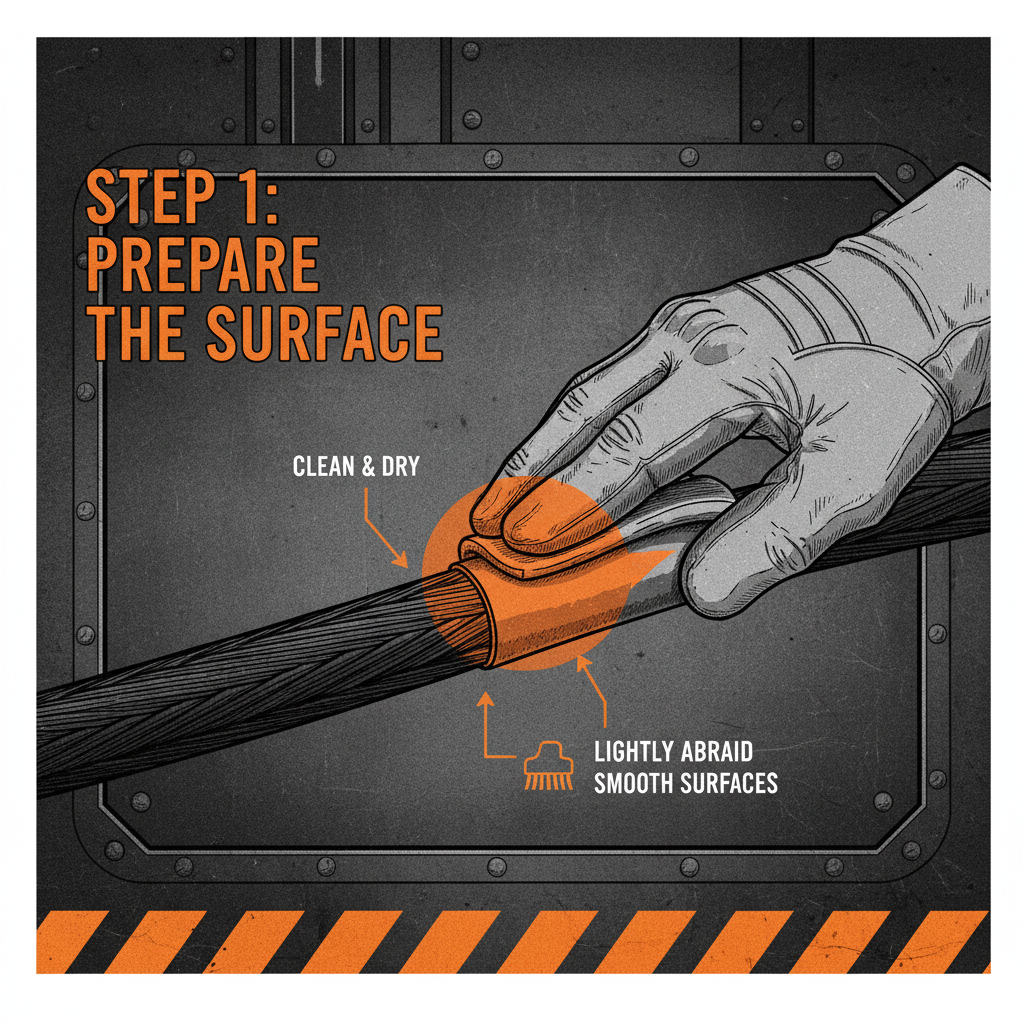
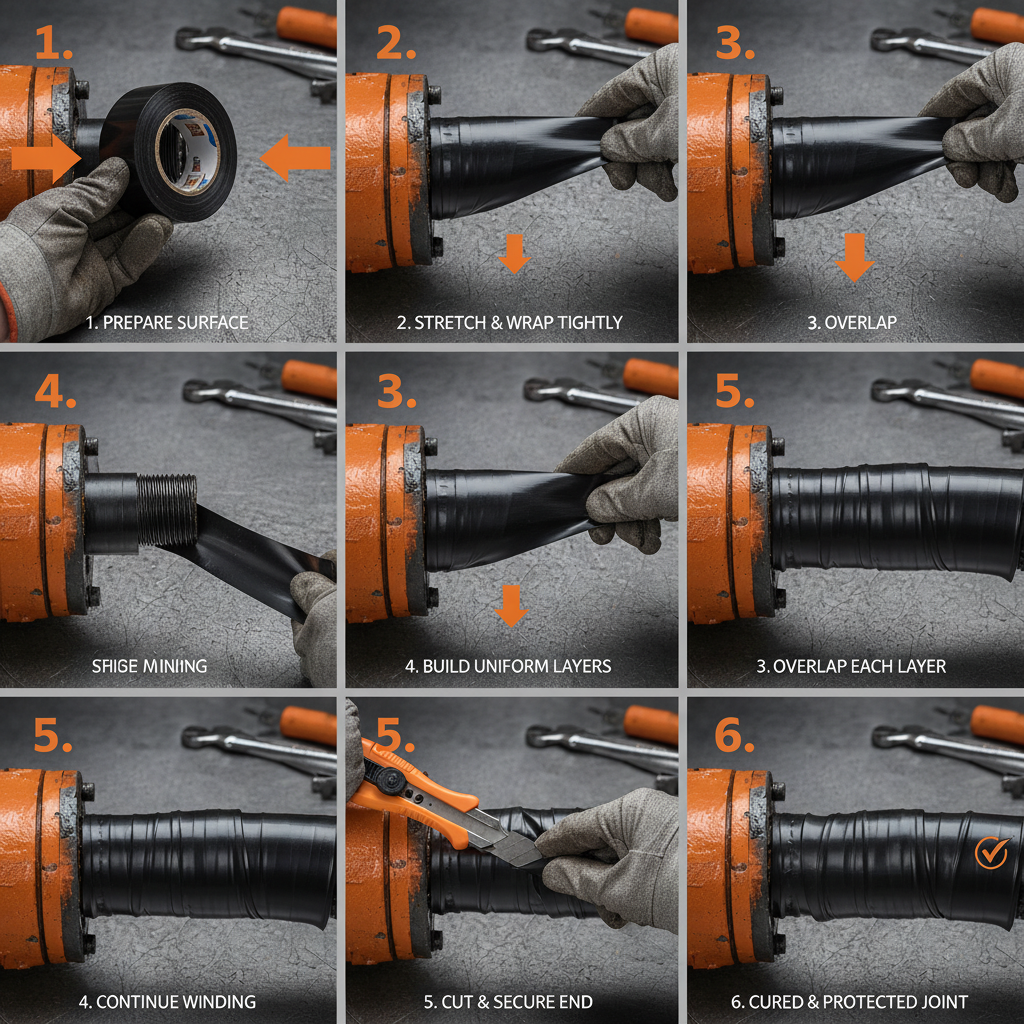
The fundamental characteristic of self fusing rubber tape lies in its unique polymeric composition. This allows the tape to create a watertight, airtight seal simply by stretching and wrapping it around the target object or area. This eliminates the need for adhesives, primers, or surface preparation, drastically reducing application time and complexity.
This self-amalgamating property stems from the rubber’s inherent molecular structure, which, when stretched, activates the polymer chains, causing them to interlock and create a unified, robust bond. This is not a simple adhesion; it's a true fusion, resulting in a seal that is resistant to a wide range of environmental factors.
Global Relevance and Industry Impact
The global demand for effective sealing and repair solutions is substantial, spanning industries like plumbing, automotive, marine, HVAC, and emergency services. According to recent industry reports, the market for industrial tapes and adhesives is projected to reach \$120 billion by 2028, with self-fusing tapes representing a significant and growing segment. This growth is fueled by increasing infrastructure investment and a rising need for reliable, long-lasting repair materials.
Furthermore, humanitarian organizations rely heavily on self fusing rubber tape in disaster relief efforts. Its ease of use and effectiveness in creating quick, temporary repairs in challenging conditions make it invaluable for securing water supplies, patching damaged structures, and providing immediate aid. This addresses a critical need in areas where conventional repair methods are impractical or unavailable.
The challenge of maintaining aging infrastructure globally also contributes to the demand. As pipelines, water systems, and other critical infrastructure components reach the end of their lifespan, the need for efficient and cost-effective repair solutions becomes paramount. Self fusing tape provides a valuable tool for extending the life of existing infrastructure and minimizing costly replacements.
Defining Self Fusing Rubber Tape
Self fusing rubber tape, also known as silicone self-amalgamating tape, is a specialized type of tape composed of a highly elastic polymer, typically silicone rubber, that possesses the unique ability to bond tightly to itself when stretched and wrapped. Unlike traditional tapes relying on adhesives, this tape creates a seal through the fusion of its polymeric structure.
Its connection to modern industry lies in its versatility and reliability. It addresses the need for on-demand, high-performance sealing in various applications where traditional methods are either insufficient or impractical. In humanitarian contexts, it provides a lifeline for immediate repairs in disaster zones, offering a quick and effective solution for securing essential resources.
The beauty of self fusing rubber tape lies in its simplicity. It requires no specialized tools or training to apply, making it an accessible solution for professionals and non-professionals alike. This characteristic, combined with its robust performance, positions it as a critical material in both developed and developing nations.
Key Characteristics for Optimal Performance
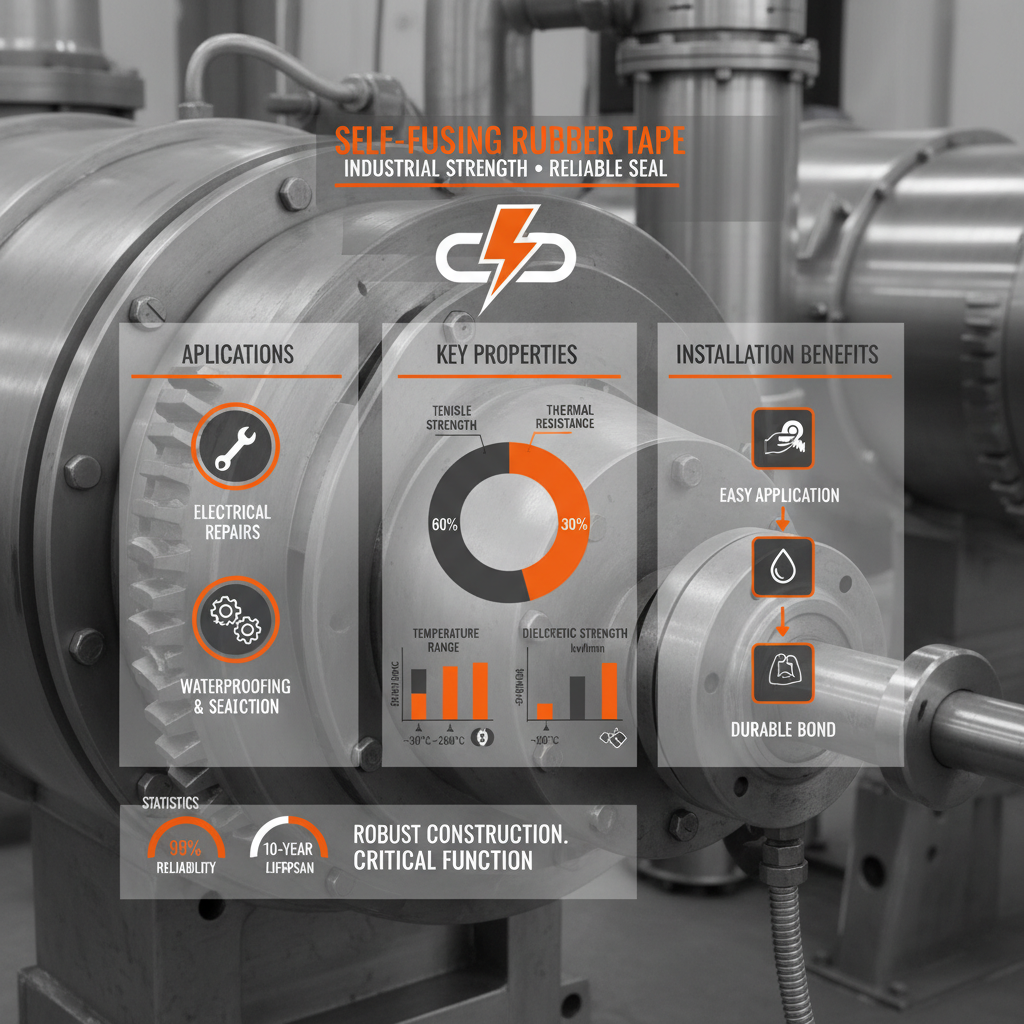
Durability is paramount. High-quality self fusing rubber tape exhibits excellent resistance to weathering, UV exposure, temperature fluctuations, and many common chemicals, ensuring long-lasting performance in demanding environments.
Electrical insulation is another critical property, making it ideal for applications in the electrical industry. The tape’s non-conductive nature provides a safe and reliable barrier against electrical leakage, enhancing safety and preventing equipment damage.
Performance Metrics for Different self fusing rubber tape Formulations
Applications Across the Globe
In post-disaster relief operations, self fusing rubber tape is used to quickly repair damaged water pipes, seal leaking roofs, and create temporary shelters. Its portability and ease of use make it a vital resource in emergency scenarios.
In remote industrial zones, where access to specialized repair equipment may be limited, the tape serves as a critical maintenance tool for pipelines, machinery, and electrical systems. It minimizes downtime and prevents costly disruptions.
Long-Term Advantages and Value Proposition
The cost-effectiveness of self fusing rubber tape is significant. It eliminates the need for expensive adhesives, primers, and specialized tools, reducing overall repair costs. Furthermore, its long-lasting seal minimizes the frequency of repairs, providing sustained cost savings.
From a sustainability perspective, the durability of the tape contributes to reducing waste. By extending the life of existing infrastructure and equipment, it minimizes the need for replacements, conserving resources and reducing environmental impact. Its simplicity inspires trust and gives the user peace of mind, knowing the repair is effective and reliable.
Finally, its inherent safety features, such as electrical insulation, enhance worker safety and prevent accidents. This translates into reduced liability and a more secure working environment, enhancing the long-term value proposition of the tape.
Future Trends and Material Innovations
Research is underway to develop self fusing rubber tapes with enhanced properties, such as increased temperature resistance, improved chemical compatibility, and greater elongation capabilities. These innovations will broaden the scope of applications and address increasingly demanding requirements.
The integration of nanotechnology into the material composition is also being explored. This could potentially enhance the tape’s strength, durability, and self-healing properties, further increasing its long-term value and reliability.
Sustainable materials and bio-based polymers are gaining traction as alternatives to traditional silicone rubber. This shift aligns with the growing global focus on environmental responsibility and reduces the carbon footprint of the tape’s production and disposal.
FAQS
Unlike electrical tape, self fusing rubber tape doesn’t rely on adhesive. It bonds to itself when stretched, creating a waterproof and airtight seal. This eliminates residue, provides superior insulation, and resists environmental factors better than traditional tapes. It's also ideal for irregular shapes and hard-to-reach areas where adhesive tape might fail.
Yes, self fusing rubber tape can be applied underwater, making it exceptionally valuable for emergency repairs to pipes and submerged equipment. The fusion process isn’t compromised by moisture, allowing for a secure seal even in wet conditions. However, ensuring the surface is reasonably clean will optimize the bond.
Most self fusing rubber tapes can withstand temperatures ranging from -60°C to +260°C (-76°F to +500°F). However, it's important to check the manufacturer’s specifications for the specific tape you are using. Extreme temperatures beyond these ranges can affect its performance and longevity.
A repair using self fusing rubber tape can last for years, depending on the application, environmental conditions, and proper application technique. Its resistance to weathering, UV exposure, and chemicals ensures a durable and long-lasting seal. Regularly inspect the tape for any signs of wear and tear for optimal longevity.
Because it fuses to itself, self fusing rubber tape can be a bit more challenging to remove than adhesive tapes. However, it can be carefully peeled off using a sharp blade or solvent, depending on the surface. It’s often easier to simply apply another layer of tape over the existing one for a quick fix.
Store self fusing rubber tape in a cool, dry place away from direct sunlight and extreme temperatures. Keeping it in its original packaging helps protect it from contamination and ensures its adhesive properties remain intact. Avoid storing it near strong chemicals or solvents.
Conclusion
In conclusion, self fusing rubber tape stands out as a versatile, reliable, and cost-effective solution for a wide range of sealing and repair applications. Its unique self-amalgamating properties, combined with its durability and resistance to environmental factors, make it a valuable tool for professionals, homeowners, and emergency responders alike. Its global impact stretches from critical infrastructure maintenance to life-saving disaster relief efforts.
Looking ahead, continued innovation in materials and manufacturing processes will further enhance the performance and sustainability of this essential product. We encourage you to explore the potential of self fusing rubber tape for your specific needs and experience the benefits of this remarkable technology. For high-quality self fusing rubber tape, visit our website today!