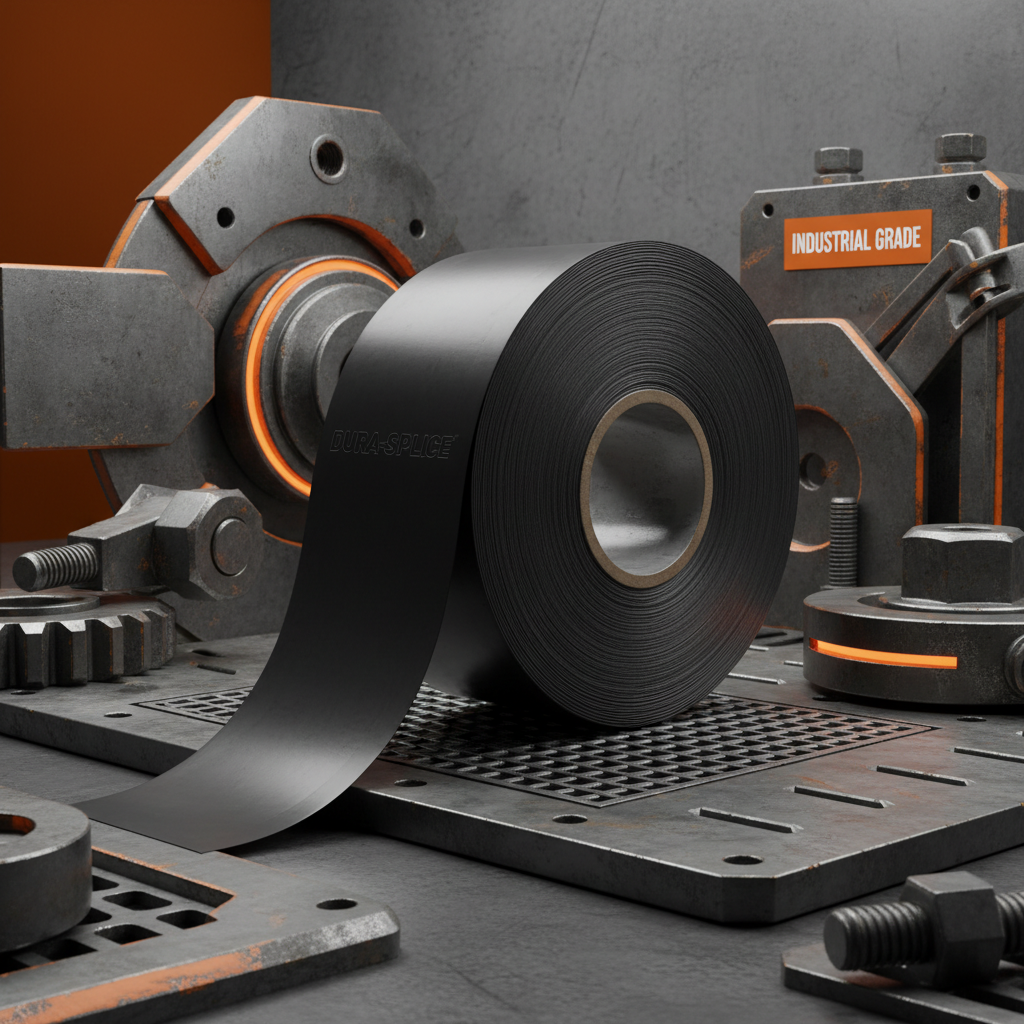
Rubber splicing tape is a crucial component in numerous industries, offering a reliable and efficient method for joining rubber materials. Its applications range from automotive manufacturing and construction to industrial maintenance and even DIY projects. Understanding the properties and applications of this tape is vital for professionals and individuals alike seeking durable and effective sealing and bonding solutions. This guide delves into the world of rubber splicing tape, exploring its definition, key factors, global applications, advantages, future trends, and challenges.
The global demand for effective sealing and joining solutions is consistently high, driven by factors like increasing infrastructure development, automotive production, and the need for reliable industrial maintenance. Rubber splicing tape addresses this demand by providing a cost-effective, easy-to-apply, and durable alternative to more complex joining methods. It's a readily available solution that minimizes downtime and ensures the integrity of rubber-based systems. Data from the World Bank indicates a steady rise in global construction spending, bolstering the need for materials like rubber splicing tape.
Simply put, rubber splicing tape is a pressure-sensitive adhesive tape specifically designed for creating watertight and airtight seals when joining rubber sheets or components. It's a vital tool in modern industry, ensuring the longevity and performance of rubber-based products. Beyond industrial uses, it plays a role in humanitarian needs, such as quickly repairing shelters or creating temporary seals in emergency situations, demonstrating its versatility and importance.
Introduction to Rubber Splicing Tape
The versatility of rubber splicing tape stems from its ability to create reliable seals in diverse environments. Its use extends beyond just joining rubber sheets; it’s employed in applications like repairing inflatable boats, sealing ductwork, and creating waterproof barriers in construction. This broad range of applications underscores its value in both industrial and consumer markets.
Furthermore, the ease of application is a significant benefit. Unlike welding or gluing, rubber splicing tape requires minimal preparation and specialized skills, making it accessible to a wider range of users. This ease of use translates to reduced labor costs and faster project completion times, contributing to its growing popularity.
Defining Rubber Splicing Tape
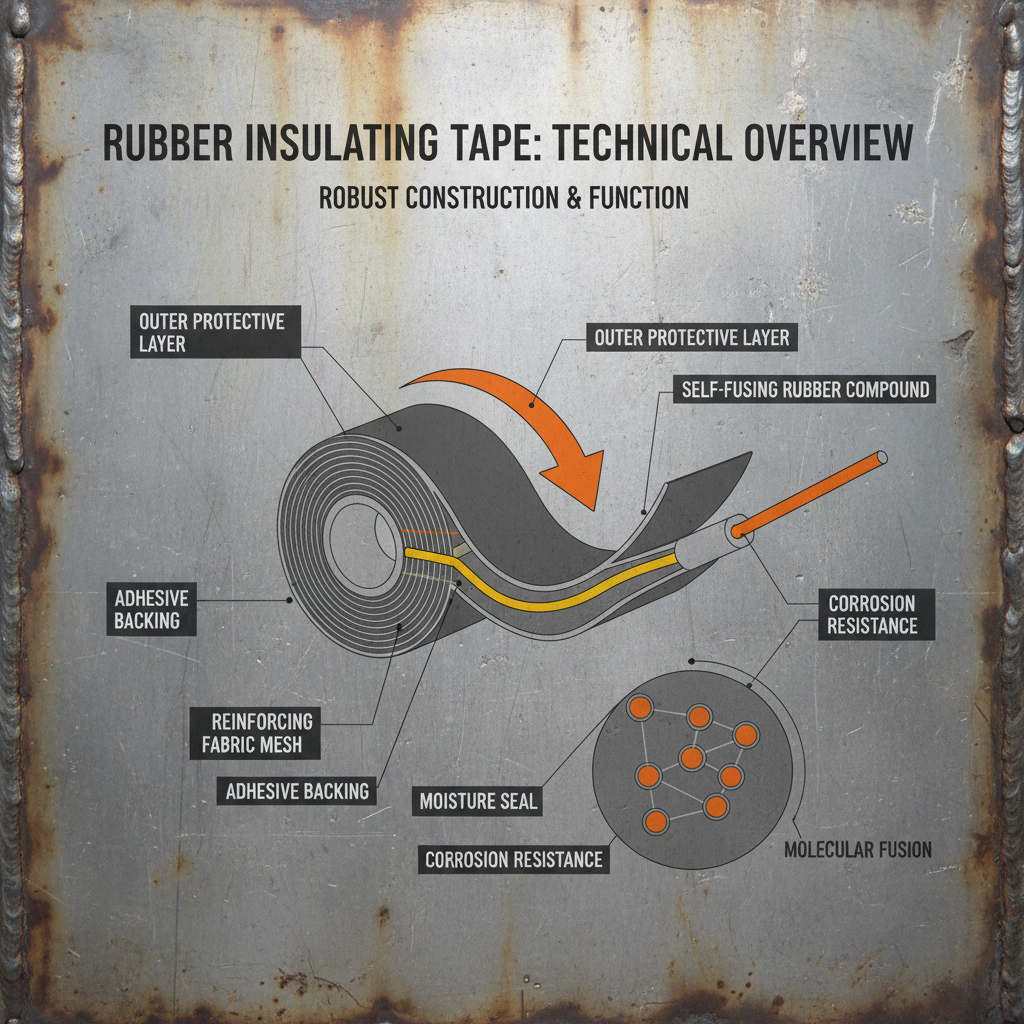
At its core, rubber splicing tape is a specialized adhesive tape designed to bond rubber materials securely and create a watertight or airtight seal. It typically consists of a rubber-based adhesive coated onto a durable backing material, such as cloth, film, or a composite. The adhesive is formulated to provide strong adhesion to various types of rubber, including EPDM, neoprene, and nitrile.
Its connection to modern industry is undeniable. In automotive manufacturing, it's used to seal rubber hoses and gaskets. In construction, it’s critical for waterproofing membranes and sealing expansion joints. Its humanitarian relevance is seen in emergency repairs to temporary shelters and water containment systems, offering a rapid and effective solution when infrastructure is compromised.
The tape's effectiveness hinges on its ability to conform to irregular surfaces and maintain its adhesion under a variety of environmental conditions, including temperature fluctuations and exposure to moisture. Rubber splicing tape provides a simpler, faster, and often more cost-effective alternative to traditional methods of joining rubber components.
Key Factors of Rubber Splicing Tape
One crucial factor is Adhesion Strength. The quality of the adhesive directly impacts the tape’s ability to form a lasting bond. High-quality tapes utilize adhesives formulated for superior adhesion to a wide range of rubber compounds, resisting peeling and separation even under stress.
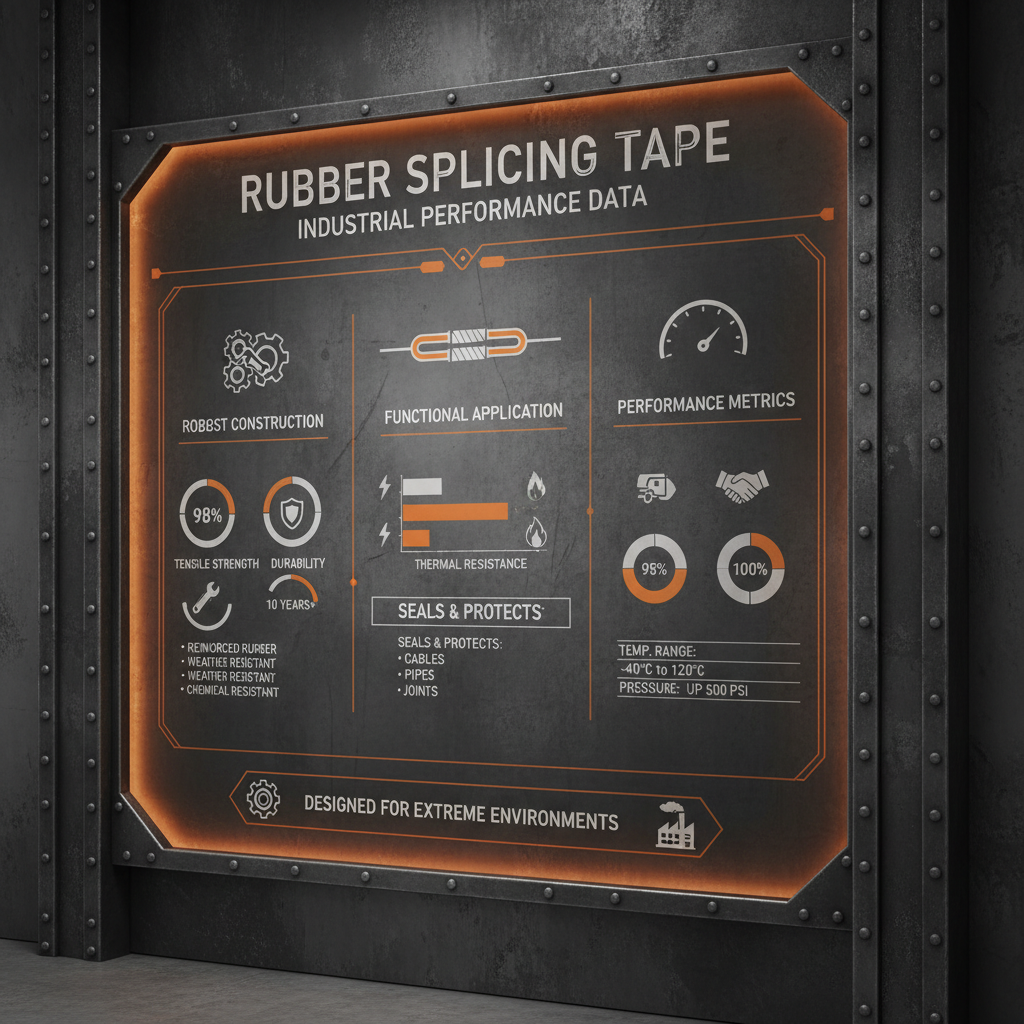
Environmental Resistance is equally important. Rubber splicing tape often operates in harsh conditions – exposure to UV radiation, extreme temperatures, and moisture. Tapes designed for outdoor applications must exhibit resistance to these elements to maintain their integrity and performance over time.
Conformability is another key aspect. The tape’s ability to conform to irregular surfaces and tight curves is critical for creating a complete and effective seal. Flexible backing materials enhance conformability, ensuring optimal contact and adhesion.
Global Applications & Use Cases
Rubber splicing tape finds extensive application in the automotive industry, where it’s used for sealing coolant hoses, air intake ducts, and other rubber components. It is also critical in the construction sector for waterproofing membranes, sealing expansion joints, and repairing damaged roofing materials.
In remote industrial zones, where access to specialized repair equipment is limited, rubber splicing tape provides a readily available solution for maintaining rubber-based systems. For example, in mining operations, it can quickly repair conveyor belts or seal pipelines. In post-disaster relief operations, it's employed to repair temporary shelters, create water barriers, and seal damaged infrastructure.
The Asia-Pacific region represents a significant market for rubber splicing tape, driven by rapid industrialization and infrastructure development. Similarly, North America and Europe maintain steady demand due to robust automotive and construction sectors. Organizations like the Red Cross and Doctors Without Borders often incorporate rubber splicing tape into their emergency response kits due to its versatility and ease of use.
Rubber Splicing Tape Performance by Method
Advantages and Long-Term Value
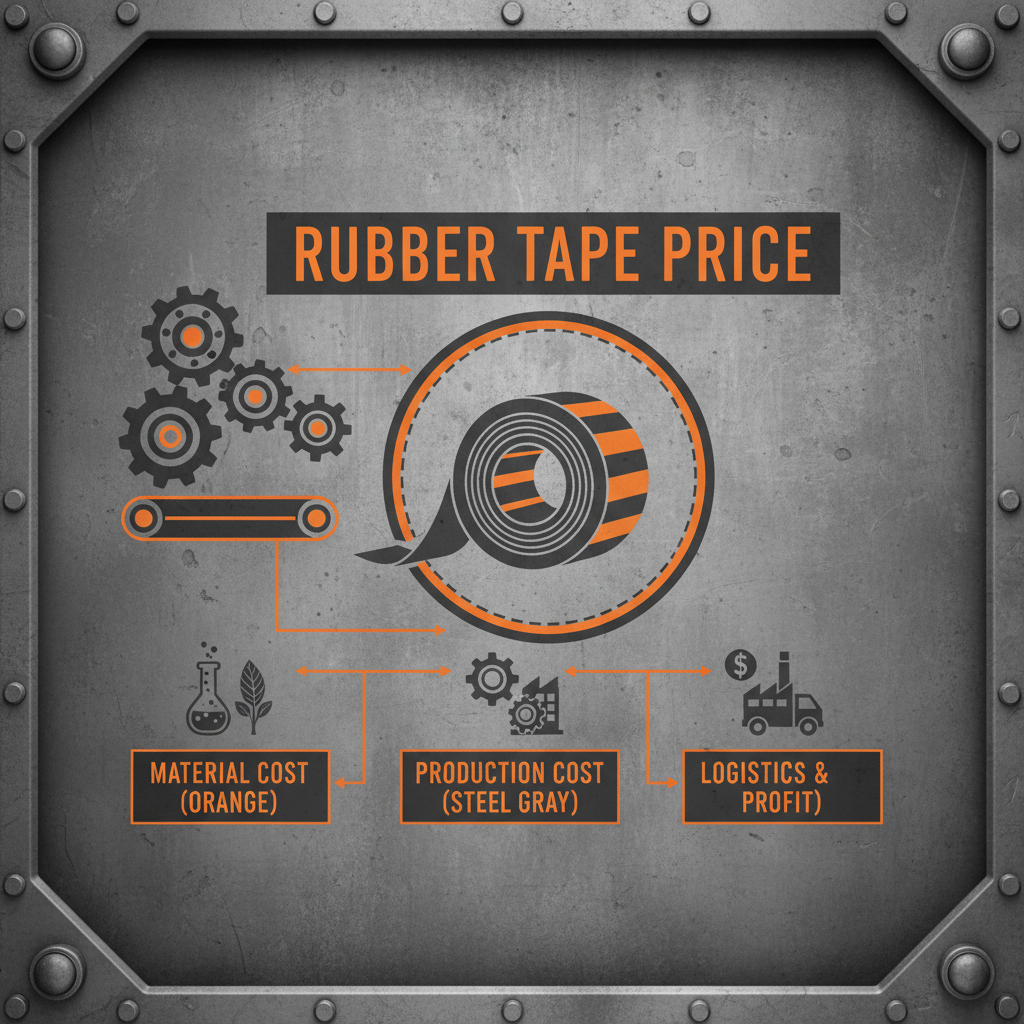
The cost-effectiveness of rubber splicing tape is a major draw. Compared to welding or specialized adhesives, it requires minimal equipment and labor, reducing overall project expenses. The ease of application also translates to faster completion times, minimizing downtime and increasing productivity.
From a sustainability perspective, rubber splicing tape often extends the lifespan of rubber components, reducing the need for premature replacement and contributing to waste reduction. Its reliable sealing properties enhance safety by preventing leaks and potential hazards. The trust and reliability it provides in critical applications like automotive and industrial systems are invaluable.
Future Trends & Innovations
Ongoing research focuses on developing rubber splicing tapes with enhanced environmental resistance, particularly UV and ozone protection. The integration of nanotechnology is also being explored to improve adhesive strength and durability. Furthermore, there's a growing trend towards bio-based and biodegradable adhesive formulations, aligning with sustainability goals.
The rise of automation in manufacturing processes is driving demand for tapes that can be applied efficiently and consistently by robotic systems. Digitalization also plays a role, with the development of smart tapes that incorporate sensors for monitoring seal integrity and performance.
Challenges & Solutions
A common challenge is ensuring consistent adhesion to different types of rubber, especially those with complex surface textures or chemical compositions. Surface preparation, such as cleaning and priming, can significantly improve adhesion. Selecting a tape specifically formulated for the target rubber compound is also crucial.
Another challenge is maintaining long-term performance in harsh environments. Using tapes with advanced UV stabilizers and moisture barriers can mitigate these issues. Regular inspection and maintenance are essential to identify and address any potential degradation.
Expert insights suggest utilizing specialized application tools to ensure consistent pressure and avoid air bubbles, maximizing the effectiveness of the tape. Adopting a proactive maintenance schedule and utilizing high-quality rubber splicing tape are key to overcoming these challenges.
Summary of Rubber Splicing Tape Challenges & Solutions
| Challenge |
Rubber Type Compatibility |
Environmental Factors |
Solution |
| Inconsistent Adhesion |
EPDM Rubber |
High Humidity |
Surface Priming & Specific Tape |
| Peeling in Low Temperatures |
Nitrile Rubber |
Freezing Conditions |
Low-Temperature Adhesive |
| UV Degradation |
Silicone Rubber |
Direct Sunlight |
UV-Resistant Tape |
| Water Leakage |
Neoprene Rubber |
Submerged Applications |
Waterproof Tape Formulation |
| Air Bubble Formation |
Butyl Rubber |
Uneven Surfaces |
Roller Application Technique |
| Short Lifespan |
Natural Rubber |
Chemical Exposure |
Chemically Resistant Tape |
FAQS
Proper surface preparation is key to successful adhesion. Thoroughly clean the rubber surface with a solvent like isopropyl alcohol to remove any dirt, oil, or debris. Allow the solvent to evaporate completely before applying the tape. For some rubber types, a primer may be needed to enhance adhesion. Following the tape manufacturer's instructions is crucial for optimal results. Failure to properly prepare the surface can lead to premature tape failure and leaks.
The lifespan of a rubber splicing tape repair varies depending on several factors, including the type of rubber, the environmental conditions, the quality of the tape, and the thoroughness of the surface preparation. In ideal conditions, a well-applied repair can last several years. However, exposure to UV radiation, extreme temperatures, and constant stress can shorten its lifespan. Regular inspection and preventative maintenance are recommended.
Generally, standard rubber splicing tape is not designed for underwater applications. However, there are specialized underwater splicing tapes available that are formulated to adhere to wet surfaces and provide a watertight seal. These tapes often contain specific adhesives and backing materials that resist water penetration. It is vital to use the appropriate tape for the intended environment to ensure a successful repair.
The backing material affects the tape's strength, conformability, and durability. Cloth backing provides high tensile strength and is suitable for applications requiring robust reinforcement. Film backing offers excellent conformability to irregular surfaces and is often used for smoother applications. Composite backings combine the benefits of both, providing both strength and flexibility. The choice of backing depends on the specific requirements of the repair.
The chemical resistance of rubber splicing tape varies depending on the adhesive and backing material. Some tapes are specifically formulated to resist oils, solvents, and other chemicals. However, it’s crucial to check the product specifications to ensure compatibility with the chemicals present in the application environment. Prolonged exposure to incompatible chemicals can degrade the adhesive and compromise the seal.
To maximize the shelf life of rubber splicing tape, store it in a cool, dry place away from direct sunlight and heat. Keep the tape in its original packaging to protect it from dust and moisture. Avoid storing it near solvents or other chemicals that could potentially damage the adhesive. Proper storage helps maintain the tape’s adhesive properties and ensures optimal performance when needed.
Conclusion
In conclusion, rubber splicing tape is a remarkably versatile and cost-effective solution for joining and sealing rubber materials across a vast range of industries and applications. Its ease of use, durability, and adaptability make it a valuable asset for professionals and individuals alike. Understanding the key factors that influence its performance – adhesion strength, environmental resistance, and conformability – is essential for achieving optimal results.
Looking ahead, ongoing innovations in materials science and manufacturing techniques promise to further enhance the capabilities of rubber splicing tape. Embracing these advancements and prioritizing proper application and maintenance will ensure its continued relevance as a reliable and efficient solution for countless applications. For high-quality rubber splicing tape, visit our website today!