0%

Table of Contents

Rubber tape for electrical applications is a crucial component in ensuring safe and reliable electrical connections across a vast range of industries. Its ability to provide insulation, mechanical protection, and environmental sealing makes it indispensable for everything from household wiring to complex industrial machinery. Understanding the nuances of different rubber tape types and their appropriate applications is vital for engineers, technicians, and anyone involved in electrical work, impacting both safety and operational efficiency.

The global demand for robust and dependable electrical insulation is constantly increasing, driven by expanding infrastructure, growing industrialization in developing nations, and the increasing complexity of modern electrical systems. According to the International Electrotechnical Commission (IEC), standards for electrical safety are becoming increasingly stringent, placing a higher emphasis on the quality and performance of insulating materials like rubber tape for electrical. This necessitates ongoing innovation and development in materials science to meet these evolving demands.

The widespread adoption of renewable energy sources, coupled with the electrification of transportation, further intensifies the need for reliable electrical connections and insulation. Furthermore, the increasing frequency of extreme weather events underscores the importance of durable electrical components, including rubber tape for electrical, capable of withstanding harsh environmental conditions and preventing failures.
Comprehensive Guide to Rubber Tape for Electrical Applications and Industry Trends

Introduction to Rubber Tape for Electrical

Comprehensive Guide to Rubber Tape for Electrical Applications and Industry Trends

Rubber tape for electrical purposes serves as a critical insulating material in a broad spectrum of electrical applications, providing a protective barrier against short circuits, ground faults, and environmental factors. It’s a versatile product, available in various formulations to suit specific voltage ratings, temperature ranges, and environmental conditions. Choosing the correct rubber tape for electrical is paramount for ensuring system reliability and safety.

This material isn't merely an add-on; it's a fundamental safety element. Its effectiveness directly correlates to the prevention of electrical hazards and the longevity of electrical equipment. From safeguarding high-voltage transmission lines to protecting sensitive electronic components, rubber tape plays an integral role in maintaining the integrity of modern electrical infrastructure.

Defining Rubber Tape for Electrical

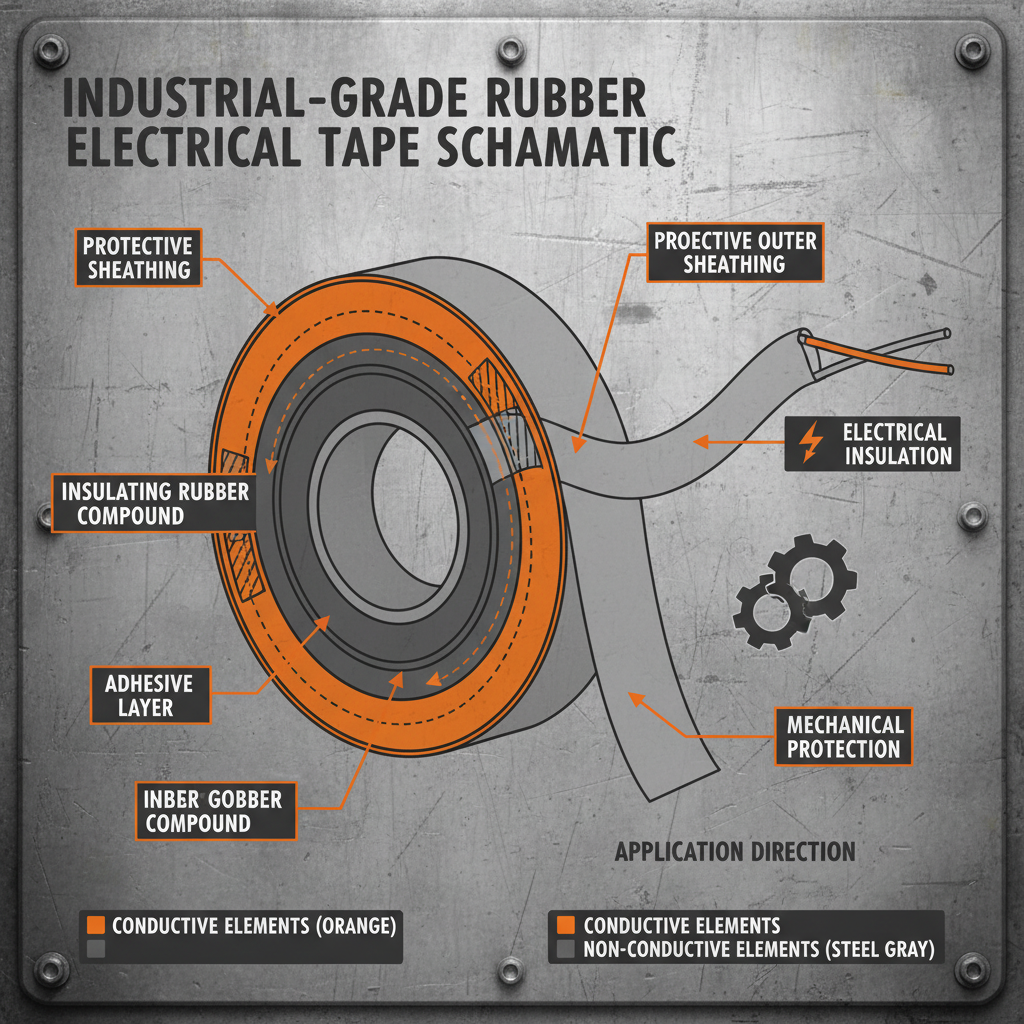
Rubber tape for electrical is a flexible, adhesive-backed material primarily composed of a rubber compound—typically synthetic rubber like ethylene propylene diene monomer (EPDM) or silicone rubber—formulated to provide electrical insulation. It's designed to be wrapped around electrical conductors, terminals, or components to create a protective barrier against voltage, moisture, and physical damage.

Unlike other insulating materials, rubber tape excels in its conformability. It easily molds to irregular shapes, ensuring complete coverage and a tight seal. This characteristic is crucial in applications where complete insulation is essential, such as repairing damaged cable jackets or insulating splices.

The core function of this tape is to prevent the flow of electrical current to unintended paths. This contributes directly to the safety of personnel and the operational reliability of the electrical system. Its application extends far beyond simple insulation; it is integral to maintaining the functionality of countless devices and infrastructures essential to modern life.

Core Characteristics of Rubber Tape

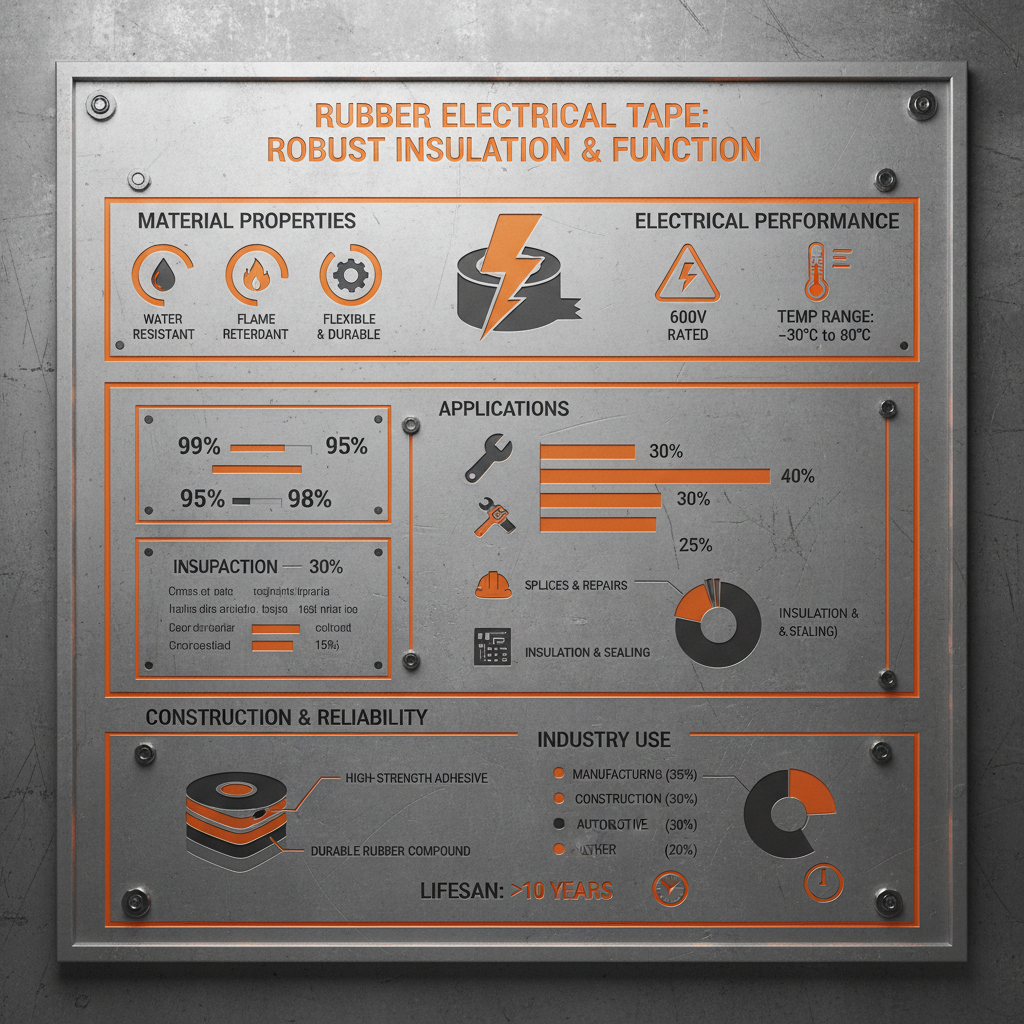
One of the most vital characteristics of rubber tape for electrical is its dielectric strength – its ability to withstand high voltages without breakdown. Different rubber compounds offer varying dielectric strengths, making it crucial to select a tape appropriate for the application’s voltage requirements.

Another key factor is its temperature resistance. Electrical systems operate in a wide range of temperatures, and the tape must maintain its insulating properties throughout that range. Silicone rubber tapes, for instance, offer excellent high-temperature performance, making them suitable for applications in industrial ovens or near heat sources.

Additionally, the tape’s elasticity and conformability are critical. A good rubber tape will stretch and mold to irregular shapes, providing a tight and complete seal. The adhesive backing must also be robust and maintain its bond over time, even when exposed to temperature fluctuations and environmental factors.

Practical Applications of Rubber Tape for Electrical

Rubber tape for electrical finds extensive use in cable splicing and repairing damaged cable jackets. By wrapping the tape tightly around the splice, a secure, insulated connection is created, preventing short circuits and ensuring the continuity of the electrical circuit. This is especially important in low and medium voltage applications.

It’s also heavily utilized in insulating busbars and high-voltage connections in switchgear and control panels. Protecting these components is vital for preventing arcing and ensuring the safe operation of the electrical equipment. Maintaining equipment with rubber tape for electrical often extends its life.

Comparative Performance of Rubber Tape Methods


Global Use Cases & Industry Impact

In the power generation sector, rubber tape for electrical is critical for insulating transformers, generators, and high-voltage switchgear. Reliable insulation is paramount to prevent catastrophic failures and ensure a stable electricity supply. Demand is especially high in rapidly industrializing nations like China and India.

The automotive industry relies heavily on rubber tape for electrical within wiring harnesses and to protect sensitive electronic control units (ECUs) from moisture and vibration. As vehicles become increasingly electrified, the demand for high-performance electrical insulation continues to grow.

Benefits and Long-Term Value

Employing high-quality rubber tape for electrical significantly reduces the risk of electrical fires and equipment failures, leading to substantial cost savings in repairs and downtime. The increased safety it provides also minimizes the potential for worker injuries and liability claims.

Furthermore, the durability and longevity of rubber tape translate into reduced maintenance requirements and extended equipment lifespan. Selecting the right type of tape for the specific application contributes to a more sustainable operational model, minimizing waste and resource consumption.

Future Trends & Innovations in Rubber Tape

Ongoing research focuses on developing rubber tape formulations with enhanced thermal conductivity to facilitate heat dissipation in high-power applications. The incorporation of nanotechnology is also being explored to improve dielectric strength and mechanical properties.

There’s a growing trend toward eco-friendly rubber tape formulations using bio-based materials and reducing the reliance on petroleum-based components. This aligns with the global push for sustainability and reduces the environmental impact of electrical infrastructure.

Self-healing rubber tapes are also under development, capable of automatically repairing minor damage and maintaining insulation integrity over extended periods, potentially revolutionizing maintenance protocols.

Summary of Rubber Tape Performance Characteristics

Tape Type Dielectric Strength (kV/mm) Temperature Range (°C) Application Suitability
EPDM Rubber Tape 20-30 -50 to 150 Low-Medium Voltage Splices
Silicone Rubber Tape 25-35 -60 to 200 High Temperature Applications
Vinyl Rubber Tape 15-25 -30 to 80 General Purpose Insulation
Butyl Rubber Tape 22-32 -45 to 130 Moisture Sealing & Cable Repair
Self-Amalgamating Tape 28-38 -40 to 160 Creating Waterproof Seals
Flame Retardant Rubber Tape 18-28 -20 to 100 Applications Requiring Fire Resistance

FAQS

What is the difference between self-amalgamating rubber tape and standard rubber tape?

Self-amalgamating tape is unique because it bonds to itself when wrapped, creating a waterproof and airtight seal without needing an adhesive. Standard rubber tape relies on an adhesive backing for bonding. Self-amalgamating tape is ideal for applications where a tight, non-adhesive seal is crucial, like protecting sensitive electronic components from moisture. It often has superior resistance to chemicals and temperature extremes compared to standard tapes.

How do I properly apply rubber tape for electrical insulation?

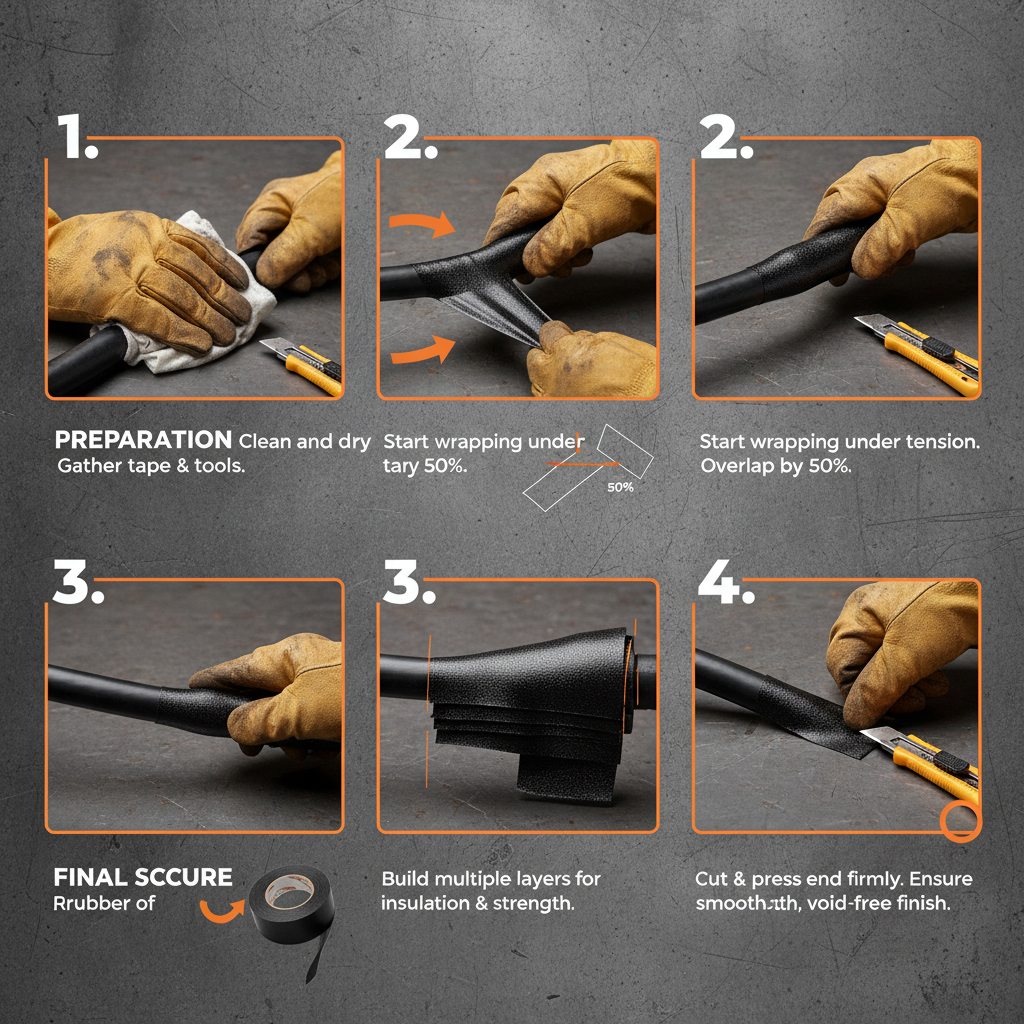
Proper application is key to effective insulation. Ensure the surface is clean, dry, and free of contaminants. Start wrapping the tape firmly, overlapping each layer by at least 50% to avoid gaps. Stretch the tape slightly during application to ensure a tight and conforming wrap. For higher voltage applications, multiple layers are often recommended. Always follow the manufacturer's instructions for the specific tape you are using.

What voltage rating should I choose for rubber tape?

The voltage rating of the rubber tape must exceed the maximum voltage of the application. Check the tape's specifications for its dielectric strength and voltage rating. It’s always better to choose a tape with a higher voltage rating than required as a safety margin. Incorrect voltage rating can lead to insulation breakdown and potentially dangerous electrical hazards.

Can rubber tape be used outdoors?

Some rubber tapes are specifically designed for outdoor use and are UV-resistant and waterproof. Standard rubber tape may degrade over time when exposed to sunlight and moisture. Look for tapes labeled as “outdoor grade” or those made from materials like silicone rubber, which offers excellent weather resistance. Ensure the tape is rated for the temperature extremes in your location.

What is the shelf life of rubber tape?

The shelf life of rubber tape varies depending on the material and storage conditions. Generally, rubber tape can last for several years when stored in a cool, dry place away from direct sunlight. Check the manufacturer's datasheet for specific recommendations. Over time, the adhesive may degrade, reducing its effectiveness. Proper storage is essential to maintain the tape's performance.

How do I remove old or hardened rubber tape?

Removing hardened rubber tape can be challenging. Gentle heat from a heat gun (used with caution!) can soften the adhesive. Use a plastic scraper or a solvent specifically designed for adhesive removal. Avoid using sharp tools that could damage the underlying conductor. Always ensure the electrical circuit is de-energized before attempting to remove any tape.

Conclusion

Rubber tape for electrical remains an indispensable component of modern electrical systems, providing critical insulation, protection, and reliability. Its versatility, conformability, and range of specialized formulations make it suitable for a diverse array of applications, from industrial power generation to consumer electronics. Understanding its properties and proper application is paramount for ensuring safety and optimal performance.

As technology advances and electrical systems become increasingly complex, innovation in rubber tape materials will continue to play a crucial role. The development of sustainable, high-performance tapes with enhanced properties will be essential to meet the evolving demands of a rapidly changing world. For reliable and high-quality solutions, visit our website: www.qiangdatape.com

Robert Miller

Robert Miller

Robert Miller is a Senior Electrical Engineer at Julu Country Xiangfan Seals Factory, with over 15 years of experience in the electrical industry. He specializes in the application of high-voltage rubber tapes and insulating materials, contributing significantly to the development of our product line. Robert holds a Bachelor’s degree in
Previous Revolutionizing Repairs with Self Fusing Rubber Tape A Comprehensive Guide
Next Exploring the Versatility of Silicone Rubber Self Fusing Tape Applications