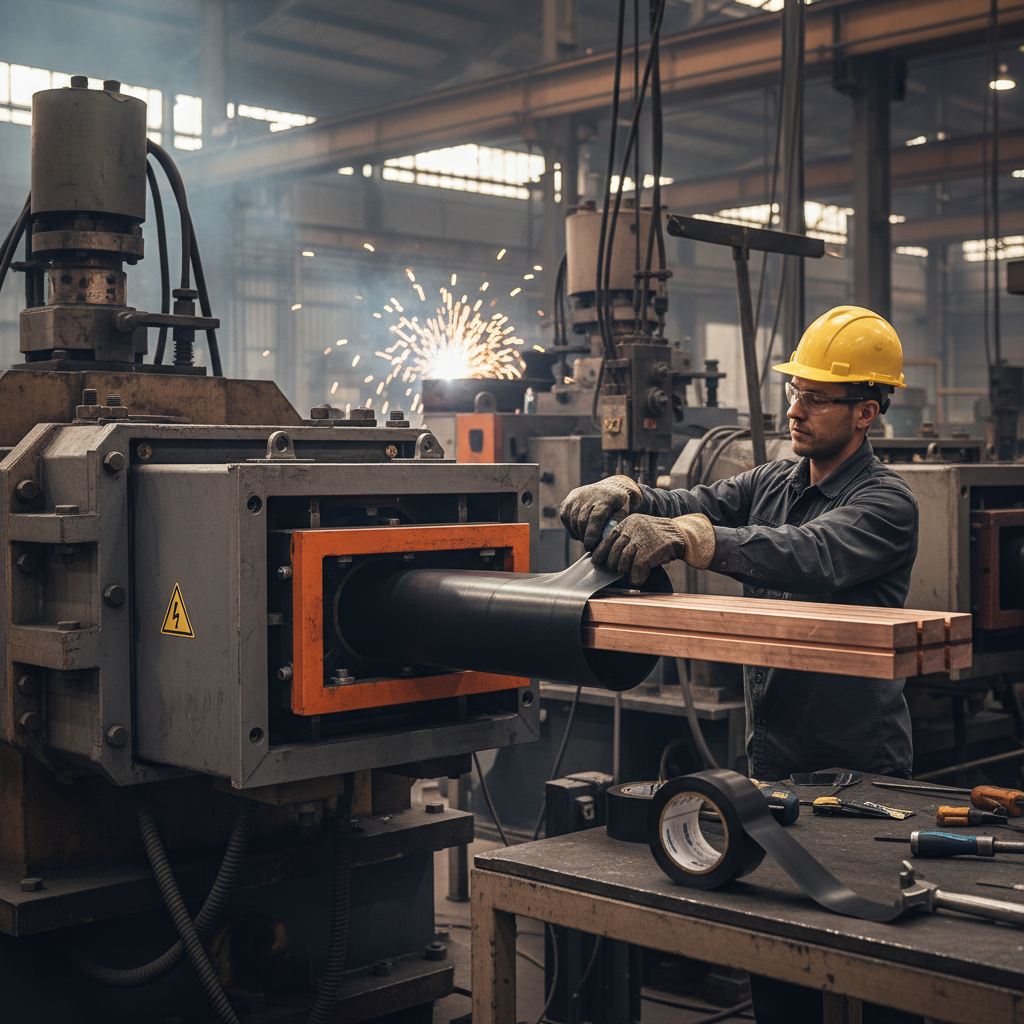
High voltage busbar insulation tape is a critical component in ensuring the safe and reliable operation of electrical equipment across a wide range of industries. This specialized tape provides essential dielectric protection, preventing short circuits and ensuring personnel safety. Its application spans from power generation and transmission to industrial machinery and automotive systems. Understanding the nuances of high voltage busbar insulation tape is paramount for engineers, technicians, and procurement professionals alike, especially with the increasing demands of modern power infrastructure.
The global demand for robust electrical insulation is steadily increasing, driven by factors like expanding urbanization, the growth of renewable energy sources, and the electrification of transportation. The United Nations Sustainable Development Goal 7 – Affordable and Clean Energy – further emphasizes the need for efficient and safe energy transmission, directly impacting the demand for high-quality insulation materials. Manufacturers are continually innovating to meet the challenges of higher voltages, extreme temperatures, and harsh environmental conditions.
The reliability of electrical systems directly impacts economic stability and public safety. Failures resulting from inadequate insulation can lead to costly downtime, equipment damage, and potentially life-threatening incidents. Therefore, selecting the appropriate high voltage busbar insulation tape is not merely a technical decision, but a critical investment in long-term operational integrity and safety.
The Importance of High Voltage Busbar Insulation Tape
The function of high voltage busbar insulation tape extends far beyond simple electrical isolation. It’s a cornerstone of safety in high-energy environments, preventing catastrophic failures and protecting valuable equipment. Modern busbar systems demand materials capable of withstanding extreme operating conditions and providing long-term reliability, making the choice of insulation tape paramount.
Without effective insulation, the risk of arcing, short circuits, and equipment damage significantly increases. This can lead to production downtime, costly repairs, and – most importantly – potential harm to personnel. Therefore, selecting a tape with superior dielectric strength, thermal stability, and resistance to environmental factors is crucial for ensuring a safe and efficient operational environment.
Defining High Voltage Busbar Insulation Tape
High voltage busbar insulation tape is a specialized electrical insulating material designed to wrap and protect busbar systems, which are essential components in electrical power distribution. Busbars conduct substantial electrical current, and this tape serves as a barrier, preventing current leakage and ensuring safe operation at high voltages. It’s often constructed from materials like PVC, rubber, or specialized polymers with exceptional dielectric properties.
The tape’s primary function is to maintain a safe distance between live conductors and grounded surfaces, preventing electrical arcs and short circuits. It differs from general-purpose electrical tape in its superior voltage rating, temperature resistance, and durability. Modern versions may also include features like self-amalgamating properties for a complete seal and flame-retardant additives for enhanced safety.
This seemingly simple product plays a crucial role in countless applications, from power plants and substations to industrial manufacturing and transportation systems. Its reliable performance is essential for maintaining the integrity of the electrical grid and supporting the functionality of modern infrastructure.
Key Properties of Effective Insulation
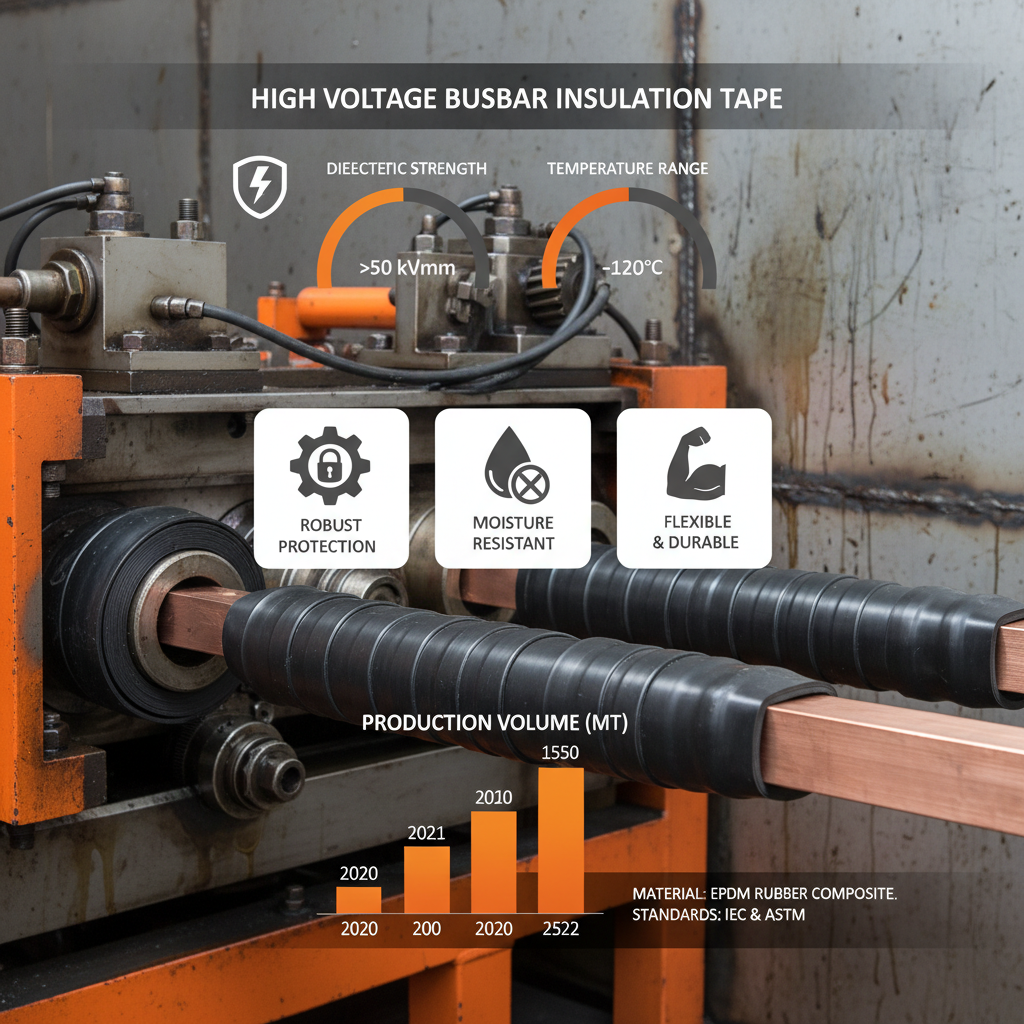
Several key properties determine the effectiveness of high voltage busbar insulation tape. Dielectric strength, the tape’s ability to withstand voltage without breakdown, is paramount. This is often measured in kV/mm and should exceed the operating voltage of the busbar system. Thermal stability is also crucial, as busbars can generate significant heat during operation.
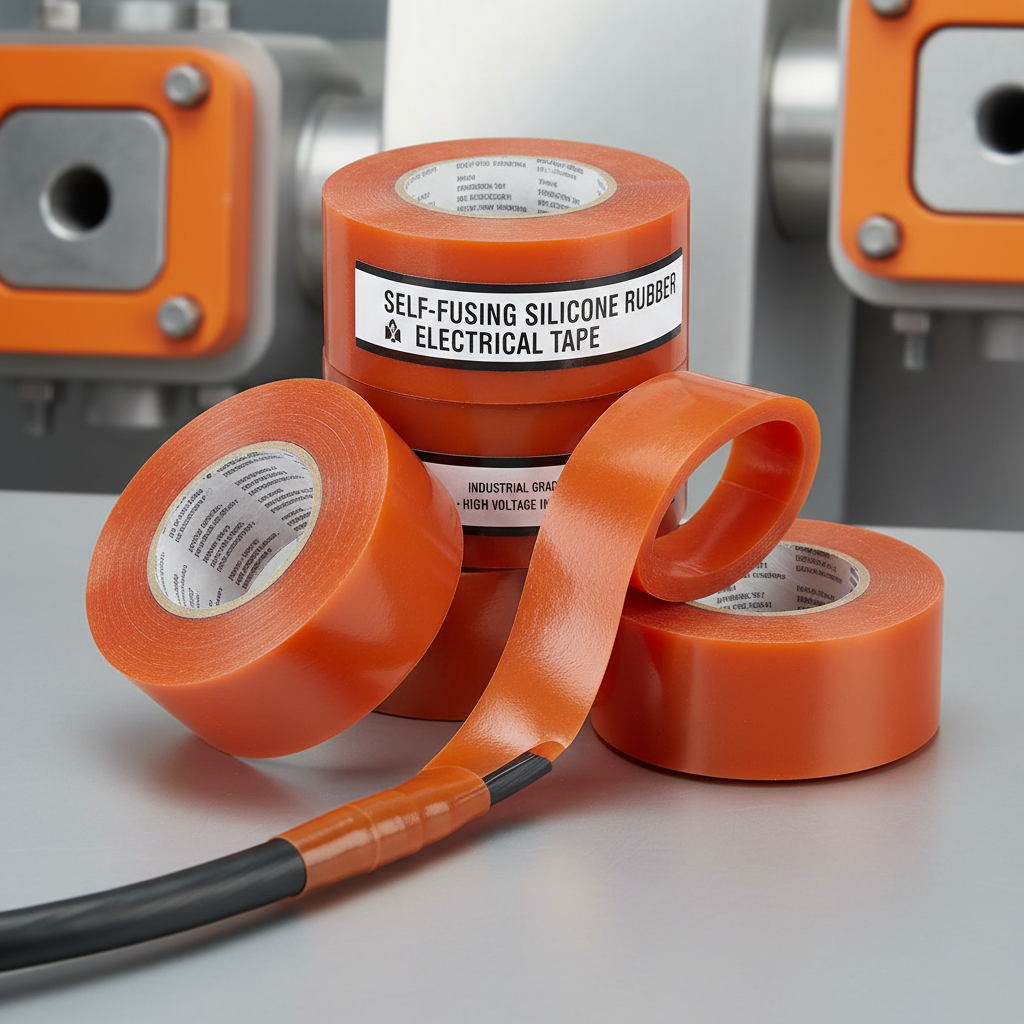
Another critical property is flexibility. The tape must conform easily to the shape of the busbar and maintain a tight, consistent wrap even in complex configurations. Resistance to environmental factors, such as moisture, UV radiation, and chemical exposure, is also important, particularly in harsh industrial environments. Self-amalgamating properties, where the tape fuses to itself, create a waterproof and airtight seal, improving long-term reliability.
Finally, flame retardancy is often a requirement, especially in applications where fire safety is a concern. Tapes meeting relevant safety standards (e.g., UL, RoHS) demonstrate compliance with industry regulations and provide peace of mind. The material's elongation at break also informs its durability and ability to withstand mechanical stress.
Global Applications and Industry Sectors
The applications of high voltage busbar insulation tape are remarkably diverse, spanning numerous industries globally. In the power generation and transmission sector, it's used extensively in substations, switchgear, and transformers to insulate busbar systems and ensure safe electricity distribution.
The industrial manufacturing sector relies heavily on this tape for insulating busbars in motor control centers, power distribution panels, and various machinery applications. The automotive industry utilizes it for protecting high-voltage components in electric vehicles and hybrid systems. Furthermore, the renewable energy sector employs it in wind turbine generators and solar power inverters.
Geographically, demand is highest in regions with rapid industrialization and expanding power infrastructure, such as Asia-Pacific, North America, and Europe. In remote industrial zones or disaster-prone areas, where maintaining power reliability is critical, the use of high-quality insulation tape is particularly vital for ensuring uninterrupted operations.
Busbar Insulation Tape Performance Metrics
Advantages of Utilizing High-Quality Tape
Investing in high-quality high voltage busbar insulation tape delivers tangible benefits across multiple dimensions. Cost savings are realized through reduced downtime, minimized repair expenses, and extended equipment lifespan. A reliable insulation system prevents catastrophic failures that can lead to substantial financial losses.
From a sustainability perspective, durable insulation reduces the need for frequent replacements, minimizing waste and conserving resources. The enhanced safety provided by high-quality tape protects personnel from electrical hazards, contributing to a more secure working environment. Furthermore, it fosters trust and reliability with clients and stakeholders.
Future Trends and Innovations
The field of electrical insulation is undergoing continuous innovation. Researchers are exploring new materials, such as nanocomposites and advanced polymers, to enhance dielectric strength, thermal conductivity, and environmental resistance. The development of self-healing insulation materials capable of repairing minor damage autonomously is another promising area.
The integration of smart sensors within insulation tape is also gaining traction. These sensors can monitor temperature, voltage, and other critical parameters, providing real-time data for predictive maintenance and early fault detection. Furthermore, the increasing adoption of digital twins and artificial intelligence is driving advancements in insulation design and performance optimization.
These innovations align with the broader trends of green energy, digital transformation, and automation, enabling more efficient, reliable, and sustainable power systems.
Common Challenges and Solutions
Despite advancements in insulation technology, several challenges remain. Maintaining consistent insulation quality during installation can be difficult, particularly in complex busbar configurations. Environmental factors, such as humidity, temperature fluctuations, and chemical exposure, can degrade insulation over time.
To address these challenges, proper installation training and adherence to industry best practices are essential. Utilizing self-amalgamating tapes and applying protective coatings can enhance resistance to environmental factors. Regular inspection and testing of insulation systems are crucial for identifying potential problems before they escalate.
Furthermore, adopting advanced diagnostic techniques, such as infrared thermography and ultrasonic testing, can provide valuable insights into the condition of insulation and enable proactive maintenance strategies.
Summary of Challenges and Solutions for High Voltage Busbar Insulation
| Challenge |
Root Cause |
Impact on Performance |
Proposed Solution |
| Inconsistent Installation |
Lack of Trained Personnel |
Reduced Dielectric Strength |
Comprehensive Training Programs |
| Environmental Degradation |
Moisture, UV Exposure, Chemicals |
Reduced Insulation Resistance |
Protective Coatings & Self-Amalgamating Tapes |
| Thermal Stress |
High Operating Temperatures |
Material Breakdown |
High-Temperature Rated Materials |
| Mechanical Damage |
Abrasion, Impact |
Compromised Insulation |
Durable & Abrasion-Resistant Tape |
| Lack of Monitoring |
Infrequent Inspections |
Undetected Degradation |
Regular Inspection & Testing |
| Incorrect Tape Selection |
Insufficient Voltage Rating |
Insulation Failure |
Proper Specification & Selection |
FAQS
The lifespan of high voltage busbar insulation tape varies depending on the material, operating conditions, and environmental factors. Generally, a well-maintained tape can last between 10 to 20 years. However, regular inspections are crucial to identify signs of degradation and ensure continued performance. Factors like excessive heat, UV exposure, and chemical contact can significantly reduce its lifespan. Selecting a tape with high-quality materials and proper installation practices contribute to its longevity.
Proper surface preparation is vital for optimal adhesion and performance. The busbar surface should be thoroughly cleaned to remove any dirt, grease, oil, or corrosion. Use a suitable solvent or cleaning agent, followed by drying with a clean, lint-free cloth. Ensure the surface is completely dry before applying the tape. Rough surfaces may require light sanding to achieve a smooth, even finish. Avoiding contamination during the application process is key to preventing premature failure.
Working with high voltage equipment always carries inherent risks. Ensure the power is completely de-energized and locked out before starting any work. Wear appropriate personal protective equipment (PPE), including insulated gloves, safety glasses, and a face shield. Follow all relevant safety regulations and guidelines. Proper training and familiarity with the equipment are essential. Never work alone and always have a qualified supervisor present.
Repairing damaged high voltage busbar insulation tape is generally not recommended. Even minor damage can compromise the tape’s dielectric strength and lead to failure. It is best practice to replace the entire section of tape to ensure consistent insulation and reliable performance. Attempting a repair may create a weak point and increase the risk of a short circuit or other electrical hazard.
Self-amalgamating tape bonds to itself, forming a waterproof and airtight seal without the need for adhesives. This provides superior insulation and protection against moisture and contaminants. Standard insulation tape relies on an adhesive backing, which can degrade over time and lose its effectiveness. Self-amalgamating tape is particularly useful in harsh environments where moisture or chemical exposure is a concern.
Temperature significantly impacts the performance of insulation tape. Excessive heat can cause the tape to soften, crack, or lose its dielectric strength. Extreme cold can make the tape brittle and prone to tearing. Selecting a tape with a suitable temperature rating for the operating environment is crucial. Proper ventilation and cooling systems can help mitigate the effects of high temperatures.
Conclusion
High voltage busbar insulation tape is a vital, yet often overlooked, component in ensuring the safe and reliable operation of electrical systems worldwide. From preventing catastrophic failures to protecting personnel and extending equipment lifespan, its benefits are substantial. Understanding its properties, applications, and future trends is paramount for professionals in the power, industrial, and automotive sectors.
Investing in high-quality high voltage busbar insulation tape is not merely a cost of doing business; it's a proactive measure that safeguards assets, minimizes downtime, and promotes sustainable practices. By embracing innovation and staying abreast of emerging technologies, we can continue to enhance the performance and reliability of our electrical infrastructure for generations to come.